
EV Charger Installation: Powering Up Your Electric Vehicle at Home
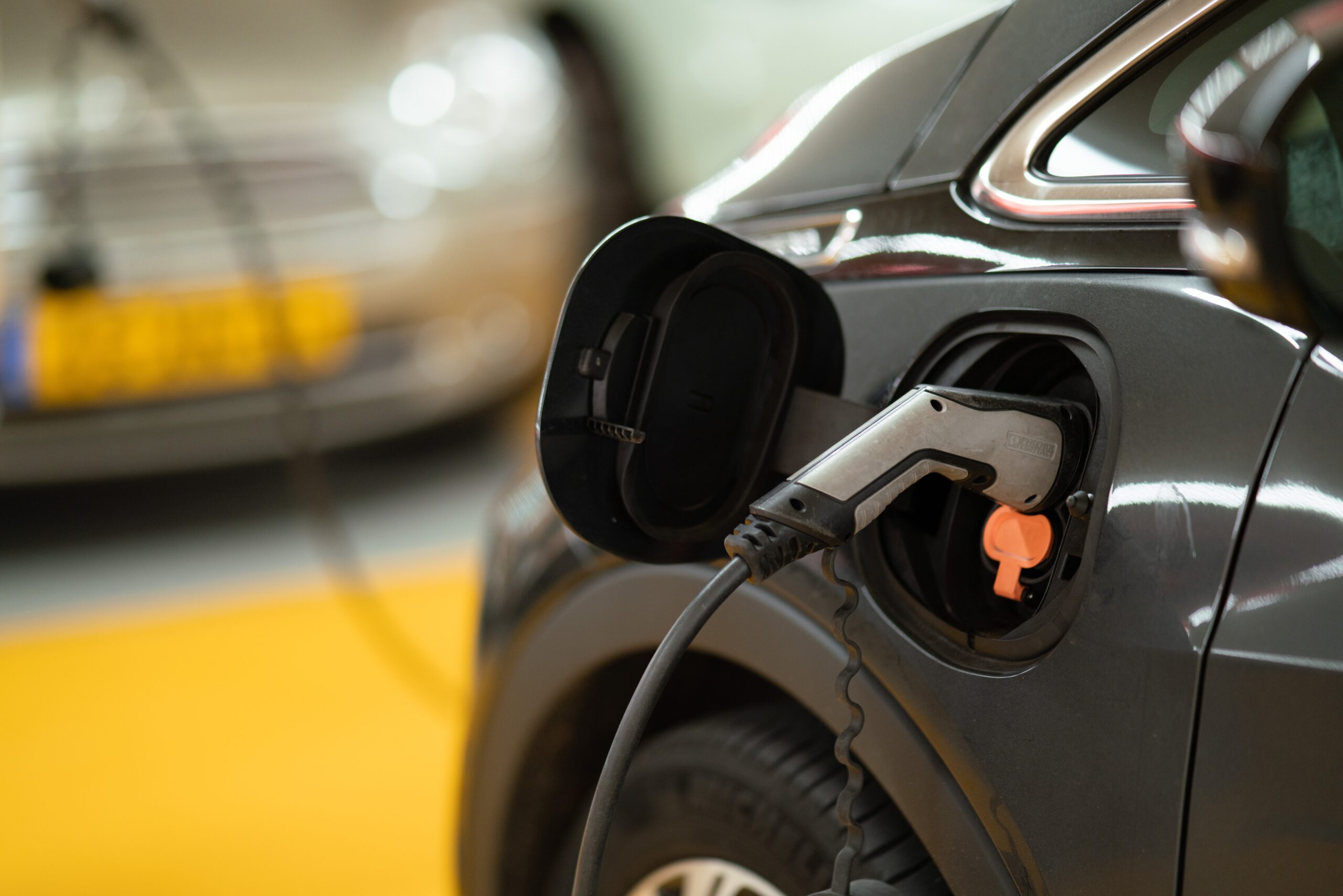
If you have an electric vehicle, you need to have the right EV charger to ensure your battery remains full. These come in several variations of plug configuration, power capacity, and length, so you must choose which one will best suit your needs.
Home vs. Public Charging
Home and public chargers are rated based on a three-level system, with Level 1 being the slowest and Level 3 the fastest. Many residential units are levels 1 and 2, while most public stations are levels 2 or 3. You will need an appropriate charging cord for each type of station.
Level 1 EV Chargers
The most basic EV charging cord is a Level 1 that plugs into a standard 120V outlet in your home. It can help you top off a battery if you only drive short distances. However, they are incredibly slow, so most EV owners will not rely on Level 1 chargers for daily use.
Level 2 EV Chargers
If you have an electric vehicle or plan to buy one, you will probably want to invest in a dedicated Level 2 EV battery charger. Many of the available low-cost public charging stations are Level 2 units. These offer much quicker charging than Level 1 plugs, so you can easily recharge your battery in a few hours or overnight. The tradeoff is that they cannot be used in a common household outlet.
Level 2 chargers require a 240-volt connection, so you will probably need to consult with an electrician, like one from J.E.C in Orange County California, to ensure compatibility. You will also want to select a charger plug that is compatible with the capabilities of your vehicle.
Level 3 EV Chargers
Level 3 charging stations are most commonly found in public charging units. They are often called DC fast chargers because, unlike Level 1 and Level 2 chargers that use AC current, Level 3 units use DC current. They offer the fastest top-off for your battery, with the quickest bringing many EV batteries from near zero to 80% charge in about 30 minutes.
Cable Length & Parking Convenience
Public charging stations can be challenging for several reasons. First, they can be difficult to locate in some areas, although charging companies are working to reduce that issue. Another consideration is the availability of open spots once you find a station. However, installing a station at home does not remove all of these issues.
EVs can have the charging port on either side of the vehicle, or in some cases, on the front. Because of this lack of uniformity between manufacturers, you’ll need to take port location into consideration when having a charger installed or plan on buying a longer cord to plug to extend your reach.
Additionally, there are several different plug configurations. Most EV manufacturers use the J1772-style plug. However, Tesla has a proprietary plug on its cars and charging stations. As a result, even if you have an appropriate plug for at-home use, you may find yourself needing an adapter at some stations.
Order EV Chargers Online
When you need a new charging cable, check out the options at an online auto parts store. Many are eligible for same-day car battery delivery, making it convenient to get a new charger even if your battery is depleted.


