I’m Always Open With My Kids About My Mental Health: Here’s Why
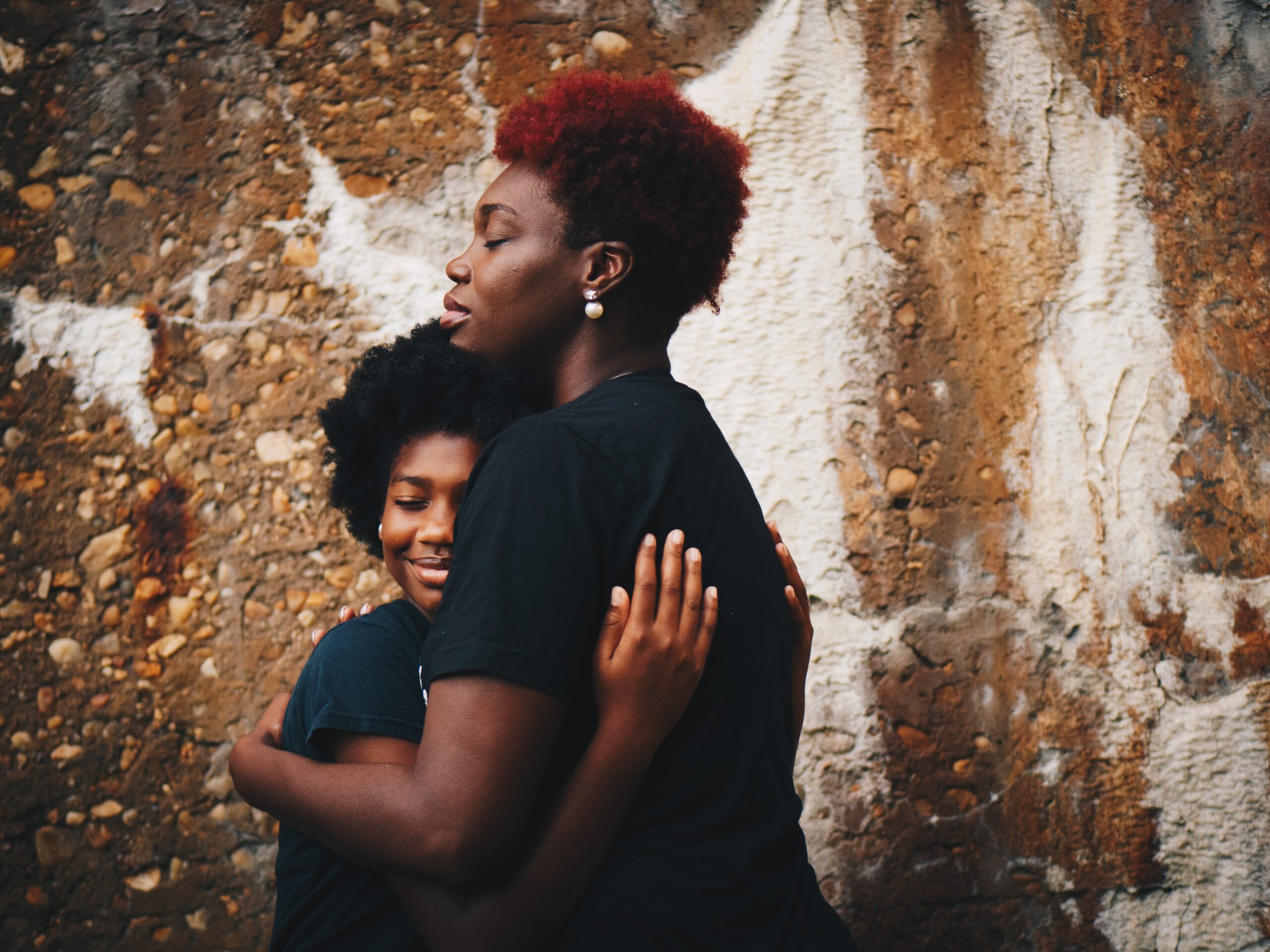 As a mom, I strive to be honest with my children. While some things are too adult for their young minds to understand, mental health isn’t one of them.
I’ve struggled with anxiety and depression all my life. Some parents hide this reality from their little ones, but I chose a different course. I’m always open with my kids about my mental health and here’s why.
- I’m Doing My Part to Fight Stigma
Mental health stigma takes a terrible toll on individual human health and causes unnecessary suffering. Worse, it can make people turn that critical eye toward themselves. A study in the journal The Lancet demonstrated that greater self-stigma toward mental illness is associated with worse psychiatric outcomes and poorer recovery from such conditions.
There are a lot of misconceptions about mental illness. Many people see it as a weakness, not recognizing your brain is part of your body that can get sick like any other. While they wouldn’t dream of telling you to “just cheer up” if you received a cancer diagnosis, they seem to regard positive thinking as a solution that can magically realign your neurotransmitter levels. It doesn’t work that way — sometimes, you need help to recover, just like someone with a broken leg requires a cast.
I want my children to know people with mental illnesses aren’t necessarily violent or crazy. Most of them look like, well, me. Although they may sometimes struggle with dark thoughts or feelings of despair, they aren’t dangerous or a risk to society.
Furthermore, I want to raise my little ones to be accepting of others. If a friend confesses they struggle with anxiety, depression or schizophrenia, I hope my children will treat them with empathy and compassion. Setting that example begins with me.
- I Believe Honesty Is the Best Policy
Kids have an uncanny way of knowing when their parents pull their little legs. Furthermore, they’re more likely to model what you do than what you say. What does that mean? If your kids pick up on your fibs, they’ll become more likely to lie.
Furthermore, children who experience frequent lies in their younger years often experience psychological trouble when they become adults. Usually, their behavior results in harsh punishments which can increase feelings of guilt and shame, especially if the child has an unhealthy attachment style. To mask these unpleasant emotions, children often engage in maladaptive behaviors like drug and alcohol use.
- I Want Them to Feel Safe Approaching Me With Concerns
I hope my honesty and openness about my mental illness struggles let my little ones know it’s okay to trust me with their concerns. I want them to know that I will always treat their problems as valid and worthy of love and support.
We spend considerable time talking about different emotions and how to recognize them. For example, I bought my kiddos a feelings chart when they were younger and we’d use it to identify how we felt when we engaged in certain behaviors. Going for ice cream might result in happiness and contentment, while a bad grade could make us feel sad or frustrated.
Now that they’re a little older, I also discuss the signs of various mental disorders like anxiety and depression. That way, my children know I’m concerned they may be depressed when I inquire about changes in academic performance or a loss of interest in a previously enjoyable activity. I’m not seeking to condemn them, but to understand.
- I Want to Educate and Inspire Change
Finally, the way we treat mental health in this society has to change and I want to be a part of inspiring it. The children are the future — the lessons we impart to them today will frame our society tomorrow.
For example, it saddens me that nearly half of the 60 million Americans with mental health disorders go without treatment, often because of financial concerns. They’re either uninsured or underinsured and even those with coverage may worry about their employers finding out they’re seeking care. Access to quality health care — including for such disorders — shouldn’t be linked to employment and should be covered as in other wealthy nations. I hope my kids will feel similarly and vote accordingly when they reach legal age.
Furthermore, I want to make it as okay to discuss mental illness in our society as it is to discuss a broken leg. Far too many people suffer in silence because of misconceptions about the mentally ill. Nearly half of all people will have a diagnosable mental health condition at some point in their lives, according to a 2005 study. They’re as common as allergies and should bear as little stigma.
Here’s Why I Talk to My Kids About My Mental Health
Everyone approaches parenting differently. When it comes to my kids, I choose to be open and honest about my mental health struggles.
Now that you understand why I’m open about my mental health with my kids, I encourage you to do the same. Together, we can fight stigma and bring the necessary changes that allow more people to access the compassionate care they need to heal.