How Home Gardening Can Become a Rewarding Hobby
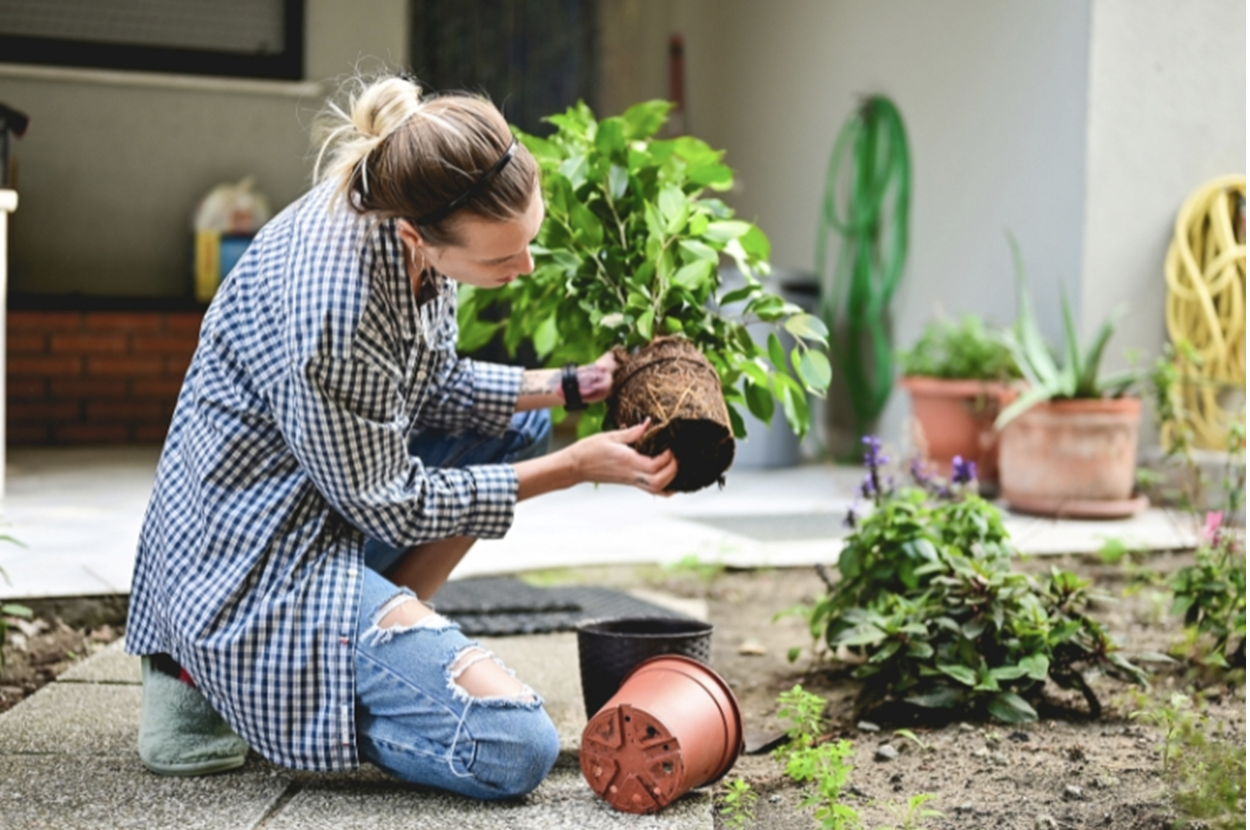
Most hobbies give you something to do with your hands. A garden gives you something to look after as well. Cannabis happens to be one of the more interesting plants you can raise at home. It grows fast and responds clearly to your care. You do not need a big yard or years of experience to start. A little curiosity and some patience will carry you a long way.
This guide walks you through what makes the hobby so satisfying. You will learn how to pick seeds, set up a simple space, and follow each growth stage. One thing comes first, though. Home cultivation laws differ from place to place, so check the rules where you live before you plant anything.
Why Cannabis Makes a Satisfying Plant to Raise
Some houseplants sit still for months. Cannabis does the opposite, and you can often spot fresh leaves from one day to the next. That quick feedback keeps you interested, especially during your first attempt.
The hobby pays you back in a few different ways:
- A Clear Routine: You water, check the leaves, and adjust the light. Those small tasks give your day a calm, steady rhythm.
- Skills That Build Over Time: Each season teaches you more about soil, nutrients, and timing. Every harvest gives you a chance to improve on the last.
- A Result You Can See: You start with a seed and finish with a mature plant you raised yourself.
The hobby also suits different personalities. If you enjoy tinkering, you can experiment with training techniques and lighting schedules. If you prefer things simple, a single plant in good soil can still give you a decent harvest. You set the pace, and nobody grades your first try.
Start With Seeds You Can Trust
Your seeds shape everything that follows, so this decision deserves some attention. A few terms come up straight away. Learn them now, and the rest of the process gets much easier.
Know Your Seed Types
- Feminized Seeds: Breeders develop these to produce female plants. Females are the ones that form the buds you harvest.
- Regular Seeds: These can become male or female plants. You need to spot and remove the males before they pollinate the females.
- Autoflower Seeds: These plants begin to flower based on age. You do not need to change their light schedule to trigger it.
- High CBD Seeds: Gardeners pick these strains for their higher CBD content. They typically contain less THC.
Pick a Supplier That Fits Your Level
A good seed bank makes the choice easier for a beginner. For example, Pacific Seed Bank sells only feminized seeds and lists more than 1,400 strains. You can filter that catalog by difficulty, which helps when you have never raised a plant before. The company says its stock is 99.9% feminized, randomly tested for authentic genetics, and hand-packaged.
Its strains come from breeders and farmers in the USA, Europe, and South America. Orders ship discreetly and internationally, with free shipping over $60 and three free seeds on orders over $40. If that sounds like a fit for your first garden, you can try Pacific Seed Bank today. Just compare a few options first and read each description carefully.
Set Up a Simple Space
You do not need a room full of equipment. A small tent indoors or a sunny, private spot outdoors can both work. What matters is that you cover the basics the plant relies on.
- Light: Indoor plants need a lamp on a timer. Outdoor plants need several hours of direct sun each day.
- Air: A small fan keeps air moving around the leaves. Good airflow helps lower the risk of mold.
- Water: Let the top layer of soil dry out between waterings. Too much water is a common beginner mistake.
- Soil: A quality potting mix with good drainage gives roots room to breathe.
- Containers: Pots with drainage holes stop water from pooling at the bottom.
Start small. One or two plants teach you plenty without overwhelming your schedule or your budget. You can always add better lamps or a bigger tent later. Those upgrades often become part of the fun.
Follow the Plant Through Each Stage
Cannabis moves through distinct stages, and each one asks something different from you. Once you know them, you can read your plant with far more confidence. Here is what to expect.
Germination and Seedling
The seed cracks open and sends out a small root. A seedling follows, with its first set of leaves. Keep things gentle here: light watering, mild light, and no heavy feeding.
Vegetative Stage
Now the plant puts its energy into stems and leaves. It stretches quickly and drinks more water. Indoor gardeners usually provide long light periods during this stage, often around 18 hours a day. You can also train branches now to shape the canopy.
The Flowering Stage
Photoperiod plants begin to flower when their daily light drops to about 12 hours. Autoflowers make the switch on their own. Buds form and thicken over the next few weeks, and the smell grows stronger. You then harvest, dry, and cure the buds. Proper curing rewards your patience with better flavor.
Keep the Hobby Enjoyable
Every gardener runs into problems. Leaves turn yellow, a pest shows up, or a plant stretches too tall. None of that means you failed. Treat each issue as a puzzle to solve, and write down what you tried. A simple journal with dates, feeding notes, and photos becomes a useful record for next time.
A few habits keep things fun over the long run:
- Be Patient: A full cycle takes months. Enjoy the daily check-ins instead of rushing toward harvest.
- Keep It Affordable: Buy the basics first. Watch for deals too, such as the free seeds Pacific Seed Bank adds to qualifying orders.
- Stay Within the Law: Check your local plant limits. Keep your garden private and secure.
- Learn From Others: Online forums and local gardening groups can answer questions quickly.
Your First Garden Starts Small
Home cannabis gardening rewards you in small, steady ways. You get a daily routine, a set of skills that sharpen each season, and a harvest you raised yourself. The setup can stay modest, and the learning never really stops. You also decide how far to take it, from one pot to a full tent.
Your next steps are simple. Confirm what your local laws allow. Choose feminized seeds that match your experience level, then set up light, air, water, and soil for one or two plants. Keep notes as you go. A few months from now, the hobby may have taught you as much about patience as it has about plants.