How to Stay Hydrated and Healthy This Summer
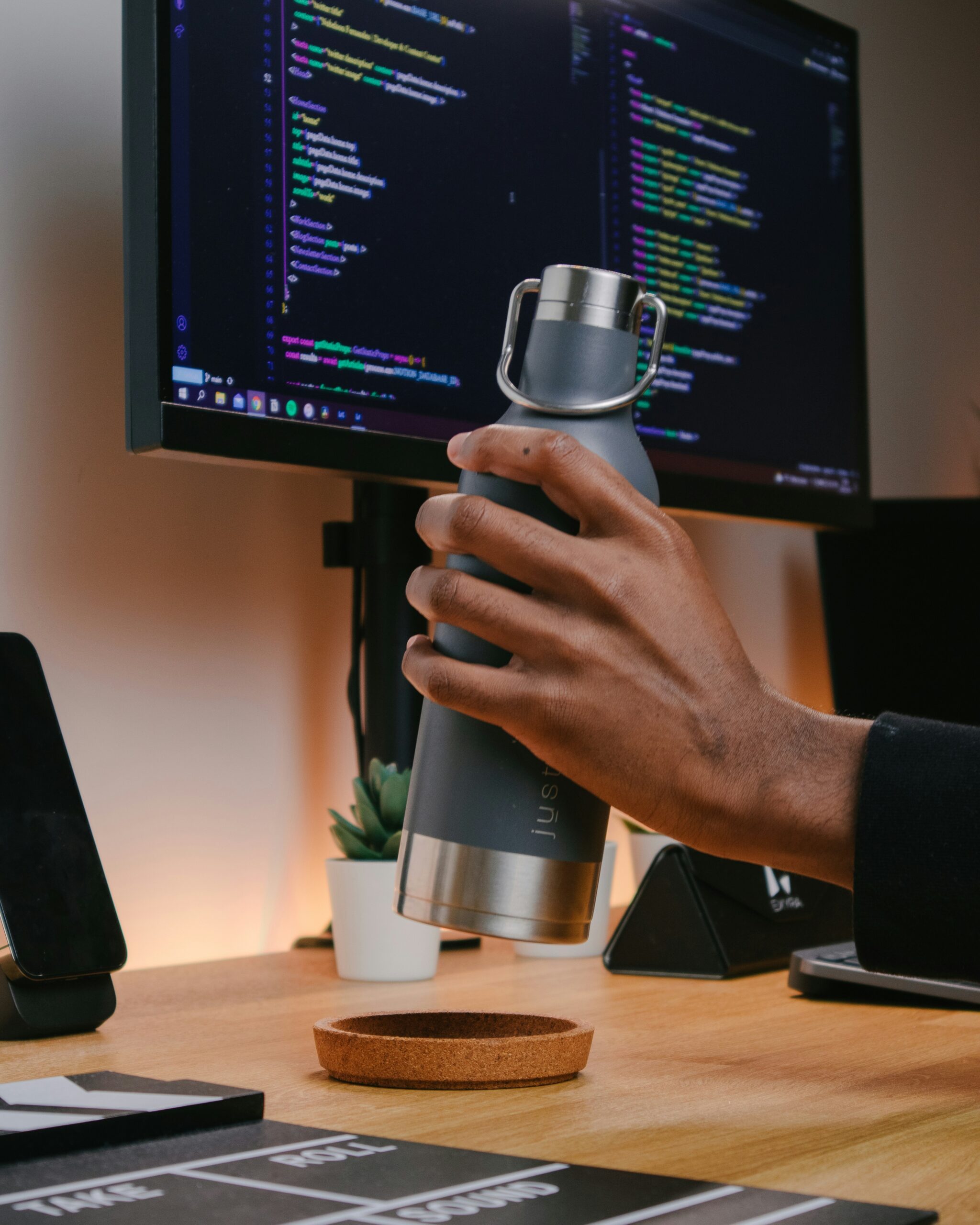 As the temperature rises and the sun shines bright, staying hydrated and healthy becomes essential for enjoying the summer season to the fullest. From sipping refreshing beverages to adopting healthy habits, here are some tips to keep you hydrated and feeling your best during the hot summer months.
1. Drink Plenty of Water
Hydration starts with good old-fashioned water. Aim to drink at least eight 8-ounce glasses of water per day, and increase your intake if you’re spending time outdoors or engaging in physical activity. Keep a reusable water bottle with you wherever you go, and take regular sips throughout the day to stay hydrated.
2. Eat Water-Rich Foods
In addition to drinking water, incorporate water-rich foods into your diet to help maintain hydration levels. Fruits and vegetables such as watermelon, cucumbers, strawberries, and lettuce have high water content and can contribute to your daily fluid intake. Enjoy these foods as snacks or add them to salads and smoothies for a hydrating boost.
3. Avoid Sugary Drinks and Alcohol
While it may be tempting to reach for sugary sodas, sports drinks, or alcoholic beverages to quench your thirst, these drinks can actually contribute to dehydration. Sugary drinks can lead to spikes and crashes in blood sugar levels, while alcohol acts as a diuretic, increasing urine production and depleting hydration. Opt for water, herbal teas, or infused water with slices of fruits or herbs for added flavor without the added sugars. And, for those looking for a unique twist, grapefruit THC seltzers can provide a refreshing and hydrating alternative.
4. Monitor Your Urine Color
One simple way to gauge your hydration status is to pay attention to the color of your urine. Aim for pale yellow urine, which indicates that you’re adequately hydrated. Dark yellow or amber-colored urine may be a sign of dehydration, so make an effort to drink more fluids if you notice these changes.
5. Stay Cool and Seek Shade
Beat the heat by staying cool and seeking shade during the hottest parts of the day. Limit outdoor activities during peak sun hours, typically between 10 a.m. and 4 p.m., and take breaks in shaded areas whenever possible. Wear lightweight, breathable clothing and wide-brimmed hats to protect yourself from the sun’s rays, and use sunscreen with a high SPF to prevent sunburn.
6. Pace Yourself During Exercise
If you’re exercising outdoors in the summer heat, take precautions to prevent dehydration and overheating. Start your workout well-hydrated, and drink water before, during, and after exercise to replenish fluids lost through sweat. Listen to your body’s signals and pace yourself, taking breaks as needed to rest and rehydrate. Avoid strenuous activity during the hottest part of the day, and opt for cooler morning or evening workouts instead.
7. Replenish Electrolytes
8. Listen to Your Body
Above all, listen to your body’s signals and take action if you start to feel thirsty, lightheaded, or fatigued. These may be signs of dehydration or heat exhaustion, and it’s important to address them promptly to prevent more serious complications. If you experience symptoms like dizziness, rapid heartbeat, nausea, or confusion, seek shade, rest, and drink fluids immediately. If symptoms persist or worsen, seek medical attention.
Conclusion
Staying hydrated and healthy during the summer is essential for enjoying outdoor activities and maintaining overall well-being. By drinking plenty of water, eating water-rich foods, avoiding sugary drinks and alcohol, monitoring urine color, staying cool and seeking shade, pacing yourself during exercise, replenishing electrolytes, and listening to your body’s signals, you can stay hydrated and feel your best all summer long. So drink up, stay cool, and savor the joys of the sunny season ahead.