How to Protect Vehicle Upholstery From Dogs, Claws, Fur, and Messes
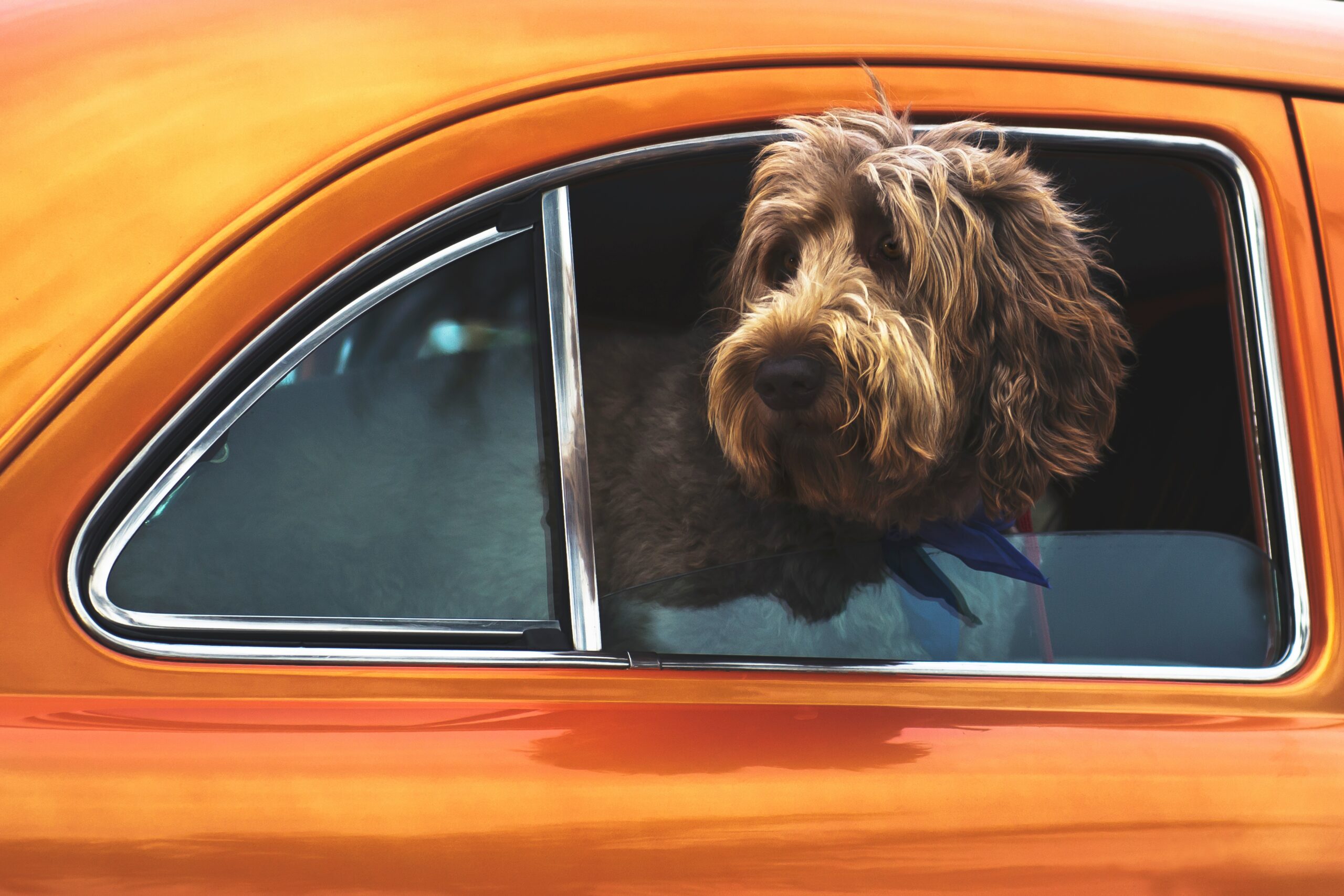
Taking a dog along for the ride can quickly change the condition of a vehicle interior. Claws scrape against seating surfaces, fur settles into fabric, wet paws leave marks, and dirt from parks or trails can spread across the cabin. Even a short trip can create a cleanup job when the upholstery is left exposed.
Rather than trying to prevent every mess, pet owners can focus on creating a practical barrier between their dogs and the factory seats. Options such as Shearcomfort seat covers for pets can be considered when looking for a way to protect upholstery while keeping the vehicle suitable for regular trips with a dog.
Why Can Dogs Be Hard on Vehicle Upholstery?
Dogs interact with vehicle seats differently from human passengers. They may stand, turn around, change positions repeatedly, or brace themselves as the vehicle moves. Each movement can place additional stress on the seating surface.
Claws are an obvious concern, particularly with leather, vinyl, or other surfaces that may show scratches. Fabric upholstery presents different challenges because fur, dirt, and debris can become trapped between fibers.
Dogs also bring whatever they encounter outdoors into the vehicle. Mud, sand, grass, moisture, and other debris can transfer from paws and coats directly onto the seats.
Frequent pet travel makes these small sources of wear cumulative.
How Can You Reduce Damage From Dog Claws?
Keeping a dog’s nails properly maintained can help reduce scratching, but claws will still contact the seats as the dog moves around.
Adding a protective layer limits direct contact between the paws and factory upholstery. When selecting seat protection for this purpose, durability should be a priority. Thin material that tears or shifts easily may provide limited value for an active or larger dog.
Fit is important too. A cover that remains securely positioned is less likely to expose the seat when a dog turns, stands, or moves between different areas.
For frequent pet travel, consider how the material responds to repeated abrasion rather than choosing based on appearance alone.
What Is the Best Way to Manage Dog Fur in a Car?
Pet hair can be one of the most persistent interior-cleaning problems. Fur may cling to fabric seats, collect along seams, and work its way into difficult-to-reach areas.
Seat protection provides a surface that receives much of this shedding before it reaches the upholstery underneath. Regularly removing fur from the cover can prevent large amounts from accumulating.
A handheld vacuum, upholstery-safe brush, or other appropriate cleaning tool can help with routine maintenance. Cleaning more frequently is generally easier than allowing weeks of fur to build up.
It is still useful to vacuum surrounding areas because hair can travel beyond the seat to carpets, floor mats, and other parts of the cabin.
How Do You Protect Seats From Muddy Paws?
A trip to the park can become messy after rain, while hiking, camping, and beach trips can introduce mud, sand, and moisture even in otherwise dry weather.
Keeping a towel in the vehicle is a simple first step. Wiping paws before the dog enters removes some of the material that would otherwise reach the interior.
Seat protection provides another layer when cleaning the dog completely is not practical. Materials intended to handle dirt and moisture can make post-trip maintenance more manageable.
Do not allow wet mud to remain indefinitely. Follow the manufacturer’s cleaning instructions and remove messes before they become harder to clean.
What About Wet Dogs and Moisture?
Dogs do not need to be covered in mud to leave a seat damp. Rain, wet grass, swimming, bathing, and even drool can introduce moisture into the cabin.
A protective barrier can reduce direct exposure of the factory upholstery to these everyday sources of moisture. This is particularly useful for owners who frequently take their dogs swimming or participate in outdoor activities.
When moisture is a major concern, review the manufacturer’s description carefully. Water resistance and waterproofing are not necessarily the same, and performance can vary depending on the material and construction.
Cleaning and drying the protective surface promptly remains important even when it is designed to resist moisture.
Why Does Seat Cover Fit Matter With Pets?
A dog rarely sits perfectly still for an entire trip. It may turn toward a window, lie down, stand up, or reposition itself several times.
These movements can cause loose protective material to bunch or shift. Once that happens, portions of the original upholstery may become exposed.
A secure fit helps maintain coverage during normal movement. It can also reduce the amount of time owners spend repositioning the cover after each journey.
Before purchasing, verify that the product is designed for the vehicle’s specific seating arrangement and check compatibility with relevant factory components.
Should You Protect Only the Back Seat?
The back seat is a common place for dogs to travel, but it is not the only area that may need protection.
Doors, seat backs, floors, and cargo areas can also collect fur, dirt, and moisture. A dog entering through a side door may place muddy paws against the seat edge before settling down. Pets traveling in an SUV’s cargo area can create similar messes behind the rear seats.
Think about the dog’s entire path through the vehicle. Protecting only one seating surface may leave other frequently contacted areas exposed.
Floor mats, cargo liners, towels, and appropriate seat protection can work together to make cleanup easier.
How Often Should You Clean a Vehicle Used for Pets?
There is no fixed cleaning schedule because dogs and travel habits vary. A pet that rides in the vehicle once a month creates different maintenance needs from one that accompanies its owner every day.
Removing loose fur and debris regularly is a useful habit. Mud, sand, and other gritty particles should receive particular attention because they can contribute to abrasion when repeatedly pressed or rubbed against surfaces.
Spills and moisture should generally be addressed promptly. More thorough cleaning can then be performed as needed according to the care requirements of the seat cover and other interior materials.
Frequent light maintenance is often easier than waiting until the interior requires a major cleanup.
Can Seat Protection Keep a Vehicle Cleaner During Road Trips?
Long-distance travel can amplify ordinary pet messes. More time in the vehicle means more shedding, while rest stops can introduce dirt and moisture every time the dog gets back inside.
Preparing before departure can make these trips easier. Pack towels, waste bags, cleaning supplies, water, and other pet essentials where they can be reached without unloading the vehicle.
Vacuuming or cleaning the protective surface during longer trips can also prevent debris from accumulating.
Seat protection is particularly useful in this situation because it creates a designated surface for much of the mess generated throughout the journey.
What Should Pet Owners Look for When Choosing Seat Protection?
Pet owners should prioritize features based on their dog’s size, activity level, and typical travel routine.
A large dog that regularly visits hiking trails may require greater resistance to abrasion, moisture, and dirt. A small dog that primarily travels around town may create less demanding conditions but still shed fur or leave occasional paw marks.
Important considerations include material durability, coverage, secure fit, ease of cleaning, and the type of moisture protection provided.
Vehicle compatibility should also be verified. Any seat cover used in a vehicle should be installed according to the manufacturer’s instructions and should not interfere with airbags, seat belts, controls, or other safety-related components.
Creating a More Pet-Friendly Vehicle Interior
Keeping a vehicle pristine while regularly transporting a dog may not be realistic, but preventing unnecessary upholstery damage is achievable.
Start with simple habits such as wiping muddy paws, maintaining nails, removing fur regularly, and cleaning wet or dirty surfaces promptly. Add suitable seat protection where the dog spends the most time, and consider other exposed areas such as floors and cargo spaces.
The objective is not to eliminate every trace of pet travel. It is to make the inevitable fur, dirt, claws, and moisture easier to manage while reducing direct wear on the vehicle’s original upholstery.