How to Prepare Your Children for a Big Move
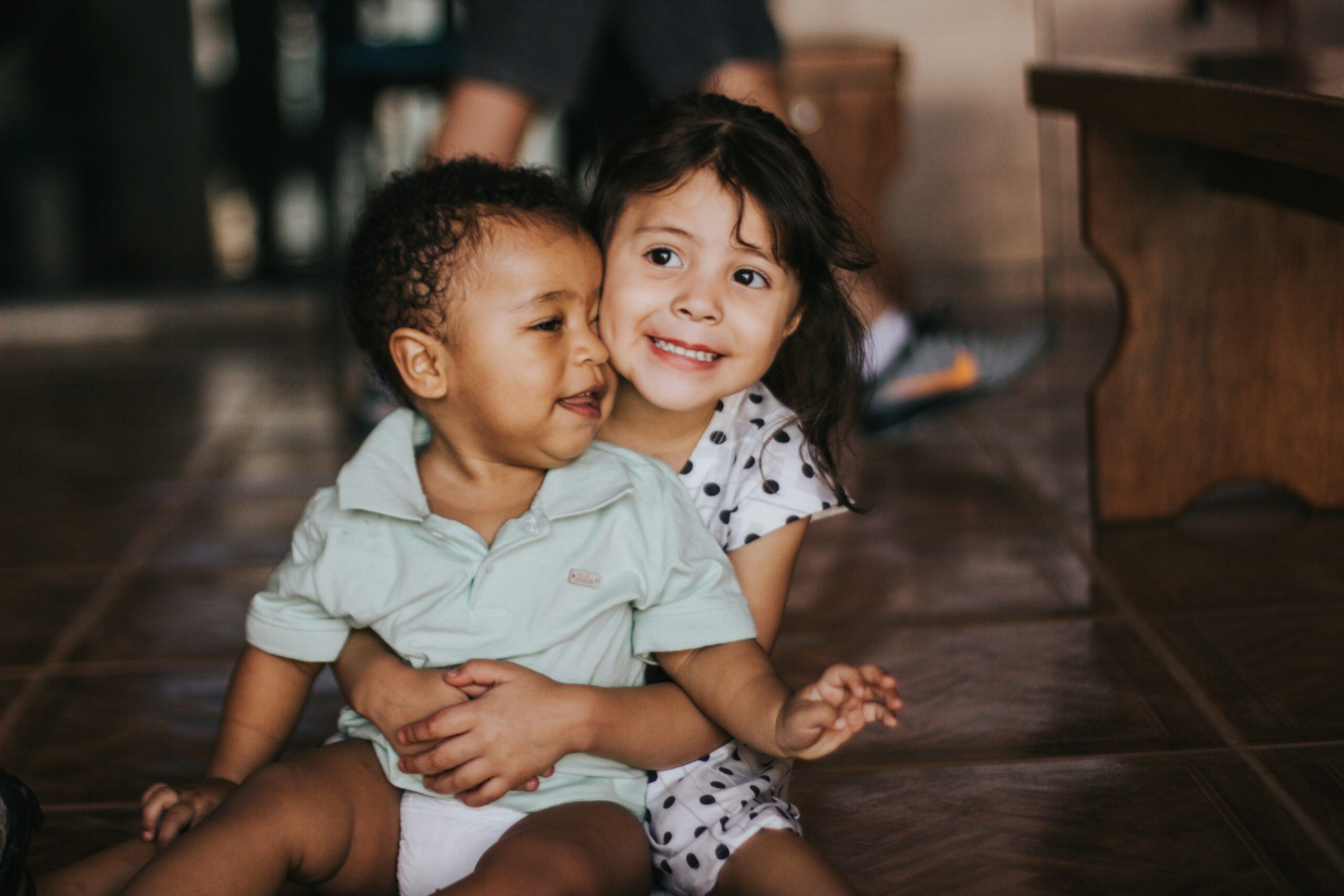 Moving can be quite an emotional experience that may be characterized by anxiety and uncertainty in children. It disrupts their routine, friendships, and comfort zone. Emotionally understanding the effect of moving is key in helping your children through this transition. You can be more sensitive by knowing that they may have mixed feelings or ambiguity about their emotions when leaving their present home and friends. Since you’re aware, you are able to teach your children how to be supportive during the most significant changing points in their life.
Open Communication is Key
Communication plays a vital role in preparing your children for a big move. Discuss the move with them well in advance, giving all the details of why it is happening, what is involved, etc. Give them time to talk about their feelings, and genuinely listen. An open dialogue created with them is a safety net of reassurance-their feelings will be heard and matter. In this way, you will not only be preparing them for this change, but you will also be giving them an opportunity to join the decision-making process.
Involve Them in the Moving Process
Involving your children in the moving process can make the whole experience less daunting and more exciting. Give them responsibility by assigning them tasks that are manageable according to their age level, such as packing their things, deciding upon which items to retain and donate, and decorating their new rooms. Such ownership may help them overcome the feelings of helpless frustration and give them some sense of mastery over the event. Also, involve them in activities like going to see their new neighborhood to explore the closest park or school. In this way, positive attitudes toward the move are created and make them anticipate their new surroundings.
Develop a Moving Day Plan Together
The moving day plan will help the kids know what to expect from the moving day and reduce anxiety. Sit down as a family and make a plan for moving day: who does what, when, and how. Explain the movers, their roles, and how they will help in safely moving your items to the new home. Let your kids ask questions and voice any concerns they may have about the day. This will have them be a part of this planning process, that they are better equipped in handling this transition that’s about to occur, and maybe even more so, sure.
Maintain Familiar Routines
If you want your kids to be confident during the transition or moving process, then familiar routines offer some sense of stability. Where possible, try to ensure that daily routines are exactly as they have been up until now during the weeks leading up to the move. This can be as simple as times for meals, bedtime rituals, or what they do on the weekends. The sameness can be comforting in helping to alleviate some of the anxiety associated with the forthcoming change when everything else seems disrupted as a result of packing and planning. As soon as you have settled into your new home, pay further attention to what your child is familiar with since this will enable the child to adapt to the new environment easily.
Make New Friends in the New Neighborhood
After you are through with the relocation process, allow your children to become familiar with the new environment and allow them to make new friends. Research local activities, such as sports teams, community centers, and clubs, that interest them. Attend events in your neighborhood or open houses at local schools to help them meet other kids. Helping your children get introduced to potential friends and getting involved with the community will make them more comfortable and give them a sense of belonging. You can help your child like, and maybe even get excited about, this new life by building connections in the new environment.
It is very important that big move preparations are done with an understanding of the emotional needs of your children and building on open communication. Indeed, relocation is altogether less painful and resilient where there is an engagement of the kids with the process, continuity of regular activities, and inculcation of connection into the community. While relocation may be a challenge, this would indeed mean grasping changes as a family to offer an opening toward growth and bonding. Accompanied by support and encouragement, your children are able to make their adjustments in the environment and thrive well in the new home.