How To Prepare For Your First Motorhome Roadtrip
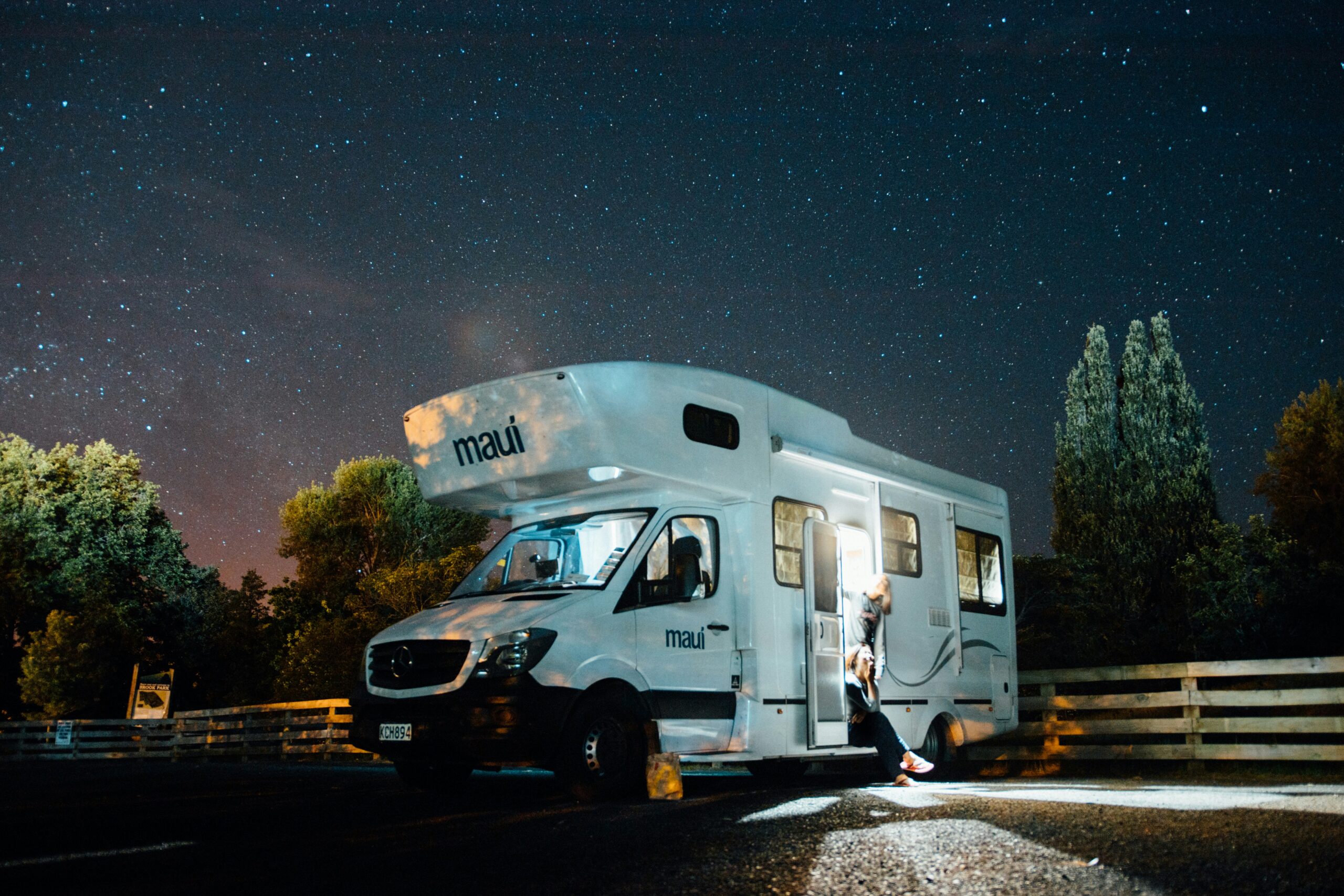 There’s nothing quite like the freedom and thrill of a motorhome journey. Whether you’re exploring the countryside, following coastal routes, or discovering hidden gems in charming villages, motorhoming provides a unique and flexible way to travel.
First-time motorhome travellers can ensure a smooth, stress-free experience and make the most of the adventure by being well-prepared, informed, and confident in handling their vehicle and journey.
Planning Your Route
Good planning is the backbone of a successful road trip. While spontaneity can lead to wonderful discoveries, it’s helpful to map out key points in advance. Identify motorhome-friendly destinations and routes by researching online resources, guidebooks, or recommendations from seasoned travellers. These methods can offer valuable insights into safe parking areas, campsite amenities, and practical travel tips.
When planning your journey, consider more than just the end destination. Highlight rest stops, scenic viewpoints, local attractions, and crucial amenities such as service stations and waste disposal points. Check for low bridges and narrow lanes that may be unsuitable for larger vehicles. Booking your campsite pitches in advance—particularly during school holidays or at popular locations—can help avoid disappointment. Make sure sites provide essential services such as electric hook-up, fresh water, and waste disposal.
Packing Essentials
Packing efficiently for a motorhome holiday means striking a balance between necessity and available space. Start with clothing for different weather conditions, including waterproofs, warm layers, and comfortable footwear for walking. Include your personal toiletries and any medications you may need.
Kitchen supplies should include pots, pans, utensils, plates, cutlery, mugs, and essentials like washing-up liquid, bin bags, tea towels, and food storage containers. Stock your fridge and cupboards with easy-to-prepare meals and snacks. Bring along a supply of drinking water, especially if you’re planning to camp off-grid.
An emergency kit is crucial. Include a first aid kit, torch or headlamp, spare batteries, a multi-tool or basic toolkit, jump leads, warning triangle, and a fire extinguisher. Ensure you carry all essential documents: your driving licence, insurance certificate, breakdown cover, and any campsite booking confirmations.
Preparing the Motorhome
Before departure, give the motorhome a full inspection. Check that the tyres are properly inflated and in good condition. Make sure all fluids—oil, brake fluid, engine coolant, and screen wash—are topped up. Fill the fresh water tank, ensure the leisure battery is charged, and confirm the gas supply is working.
Inside, test all appliances including the hob, fridge, lights, water pump, and heating. Make sure cupboard doors, drawers, and loose items are secure and won’t rattle or move while driving. When loading the vehicle, keep heavy items low and evenly distributed to avoid affecting the balance of the motorhome. Familiarise yourself with how to connect to mains electricity, fill water tanks, and empty grey water and toilet cassettes at service points.
On-the-Road Tips
Driving a motorhome requires a shift in mindset. Due to its size and weight, you should adopt a more cautious, deliberate driving style. Take corners slowly, accelerate gently, and allow for longer braking distances. Be especially vigilant when overtaking, entering roundabouts, or navigating through towns.
Make note of your vehicle’s dimensions and be aware of height restrictions, especially when entering car parks or underpasses. Plan fuel stops ahead of time, particularly if travelling through rural or remote areas. If you use toll roads or bridges, check whether they have specific pricing or restrictions for larger vehicles.
When looking for overnight parking, stick to legal, designated areas. Many motorway services, aires (in Europe), or public car parks offer safe, permitted overnight spots. Avoid blocking driveways or using residential areas unless explicitly allowed. Always follow local guidelines and be respectful to the communities you visit.
Setting Up Camp
Arriving at a campsite marks the start of your downtime, but there are a few practicalities to manage first. Choose a level spot to park, or use levelling ramps to ensure the motorhome is stable. Engage the handbrake and chock the wheels if needed. Once parked, connect to the electric hook-up, switch on the fridge, and open windows or roof vents for ventilation.
Fill up your fresh water tank if necessary, and make a note of where the waste disposal points are located on site. Take the time to organise your interior living space, ensuring everything is accessible and comfortable. Set up outdoor furniture for dining or relaxing outside, and enjoy your surroundings. Developing a routine for arrival and departure can make setting up camp quicker and easier each time.
Maintenance and Troubleshooting
Regular maintenance checks during your trip will help avoid common problems. Monitor your gas levels and battery charge daily, particularly if camping without mains electricity. Check that the fridge is running efficiently, and that water and waste tanks are not overfilling.
Be aware of the most frequent issues motorhome users face. Dashboard warning lights can indicate problems with emissions or engine performance—seek professional advice if unsure. Electric steps can seize due to dirt build-up or wiring faults, and fridge issues are often linked to blocked burner pipes or 12V supply problems. If the water pump runs continuously, there may be a leak or pressure issue. Learn some basic troubleshooting techniques or carry a guide to help diagnose problems.
Always have the number for a breakdown recovery service and a list of local garages on your route. Being prepared with information and basic tools can prevent a small inconvenience from turning into a trip-ending problem.