Campervan Packing: What Actually Earns Its Space
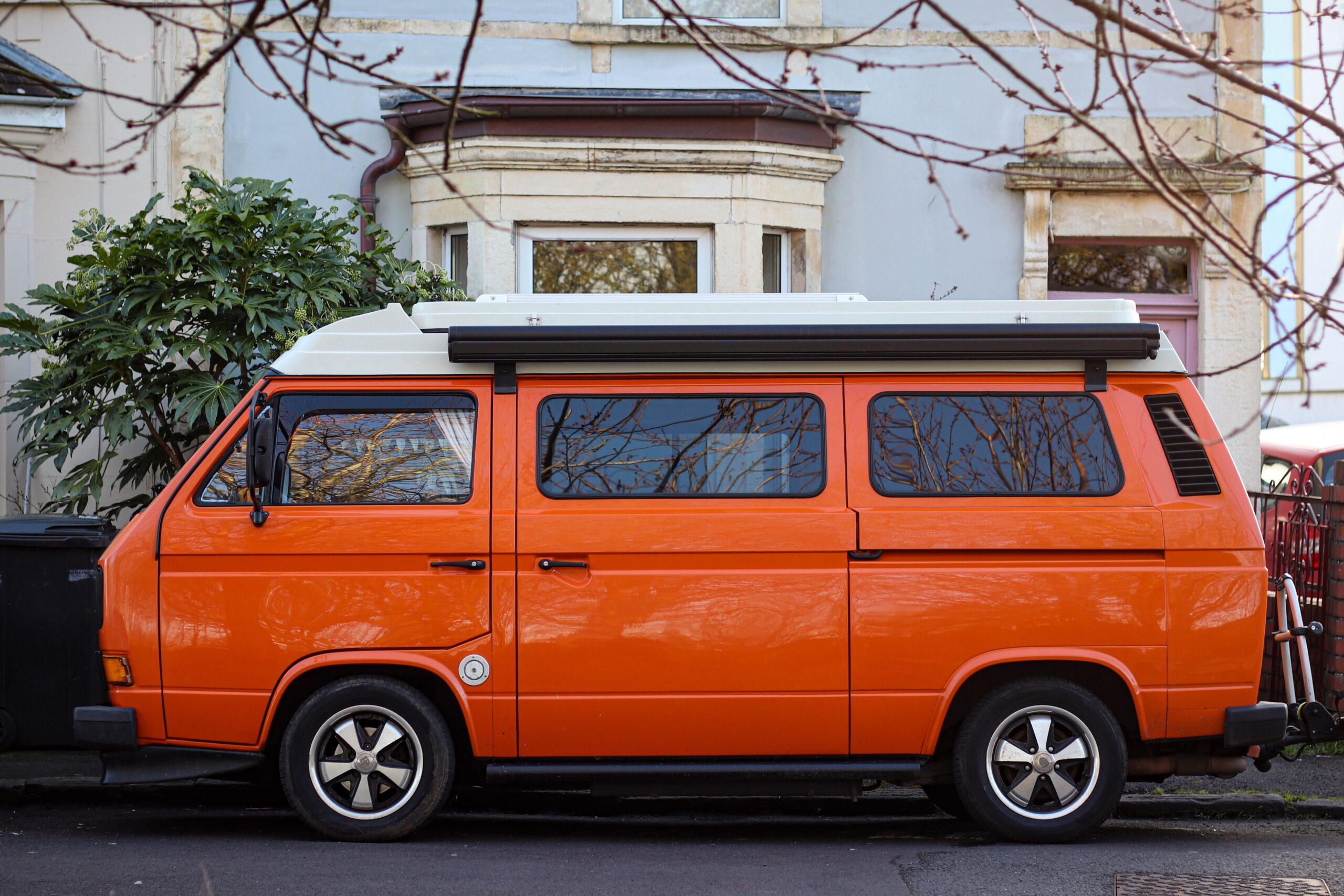
Ever packed a campervan and run out of room before day one?
You begin with a huge list of things you need…You end up with an overloaded van you can’t find the kettle in. And the worst part…….
Half of that stuff never gets used.
Here’s the thing:
Room is your most precious resource while on the road. Every item must justify taking up space. If not, it’s dead weight that will drain your gas, time, and sanity.
Here’s what’s inside:
- Why Campervan Space Matters More Than Ever
- 5x Items That Always Earn Their Space
- What You Can Leave At Home
- The Simple Rule For Packing Smarter
Why Campervan Space Matters More Than Ever
Road trips are trending. Over 52 million households visited campgrounds across North America in 2025. That’s an increase from pre-pandemic levels.
That translates into lots of people cramming into mini-vans for the first time. First timers invariably pack way too much.
Makes sense. 35% of adults say camping is the least expensive way to travel. Then they skip hotels…and pack the van with junk they don’t need.
A campervan isn’t a house. You get some cupboards, a small fridge and maybe a roof box. So value for space is important.
Before anything goes in the van, ask one question:
Will you use this daily, or will it save this trip (in an emergency)?
If the answer is no to both… leave it behind.
5x Items That Always Earn Their Space
Hydration Supplies
Water is the first thing you’ll run out of on the road. Long drives, hot days and big hikes sap your body’s liquids. Plus you won’t always be near a store when you run out.
Electrolyte powder packets really shine in a campervan because of how compact they are. Flat and light, they easily fit into your glovebox or a door pocket with room left over. Storing a few popular hydration packets by your water bottles allows you to easily replace lost salts from sweating on a hot trail day or long day driving. Electrolyte powder packets take up far less space than bulky bottles of sports drinks.
Drive-Thru Snack Tip: Keep them in a zip bag in your front seat for quick access.
You will still want to have a big refillable water jug. Many vans only have a small tank. So having another container will prevent you from running out of water somewhere off the grid.
A Good Cool Box Or Fridge Setup
Food goes off fast in a hot van.
A 12V fridge/freezer or good quality cool box means you can shop less frequently for fresh produce. This saves you time and money buying takeaways etc. Buy the size to suit your requirements rather than the largest you can find.
Reasons: An oversized fridge consumes electricity and takes up cupboard space. A smaller, well stocked fridge stays colder longer and allows space for other items. Freeze several bottles of water before you depart. They will keep your food cold and provide you with extra drinking water when thawed.
A Compact Cooking Kit
You don’t need a full kitchen. Seriously.
A single burner stove, one pot, one pan and some collapsible utensils will see you right for pretty much any meal. Look for nesting cookware – it slots into itself and saves you half the space. Throw in a little chopping board and a decent knife and you’re good to go.
Layered Clothing
Here’s something most people get wrong…
They bring outfits rather than layers. Conditions can fluctuate quickly when traveling from beaches to mountains to forests. Bring a couple sets of base layers, a fleece for warmth, and a waterproof jacket. That combination will get you through almost any situation from cold mornings to sunny afternoons by the sea.
Rolled garments stuffed into soft packing cubes fit into oddly shaped cabinets much nicer than a rigid suitcase.
A Basic Tool And Safety Kit
The one thing you hope you never have to use. But when its time you don’t care about anything else.
Your kit should include:
- A first aid kit
- A torch or head lamp with spare batteries
- Jump leads or a jump starter
- A tyre pressure gauge
Easy peasy. Everything packs down into one little pouch under a seat. Oh, and double check your kit before you set off every time too. Batteries die and plasters are wasted, a few minutes organising at home could prevent a major panic miles from civilisation.
What You Can Leave At Home.
Now for the fun stuff. Things that almost never justify themselves:
- Extra shoes: Two pairs is sufficient. One pair for walking around and one for the beach or camp site.
- Big bath towels: Quick-dry towels are smaller and dry overnight.
- Cognotry’s Law of Kitchen Gadgets: If it’s a “just in case” gadget, and only does one thing, leave it at home.
- Too many books: A phone or e-reader holds hundreds.
You’ll be amazed at how little you really miss once you hit the road. There’s more space in the van, it’s easier to keep clean and you won’t spend hours digging through piles of junk looking for that one thing.
The Simple Rule For Packing Smarter
The best campervan travellers follow one rule:
One in, one out.
Whatever comes into the van must go out again. Sounds harsh. But it prevents the gradual accumulation of junk that occurs on lengthy journeys.
You should also glance through everything after 3 days. Go through each item you packed and ask yourself:
- Have you used this yet?
- Will you use it in the next week?
If the answer to both questions is no, take it home, donate it or leave it with a friend. Your van will appreciate it.
Designate a home for every item. If everything has a home, and always stays in its home, you’ll never spend time looking for things. You’ll also immediately notice when something is out of place… and that will teach you that the item probably shouldn’t be in your van in the first place.
The Bottom Line On Packing Your Van
Packing for a campervan trip doesn’t mean you take everything. Packing a campervan means packing the essentials. Here’s a quick run through:
- Ask if each item is used daily or saves you in an emergency
- Pack hydration, food storage, cooking gear, layers and safety kit first
- Leave the extra shoes and gadgets at home
- Follow the one in, one out rule
Do it right and you’ll gain space, reduce stress and enjoy much more time on the open road.
That’s what a great road trip is all about!