How To Maximise A Small Bedroom Without Compromising Comfort
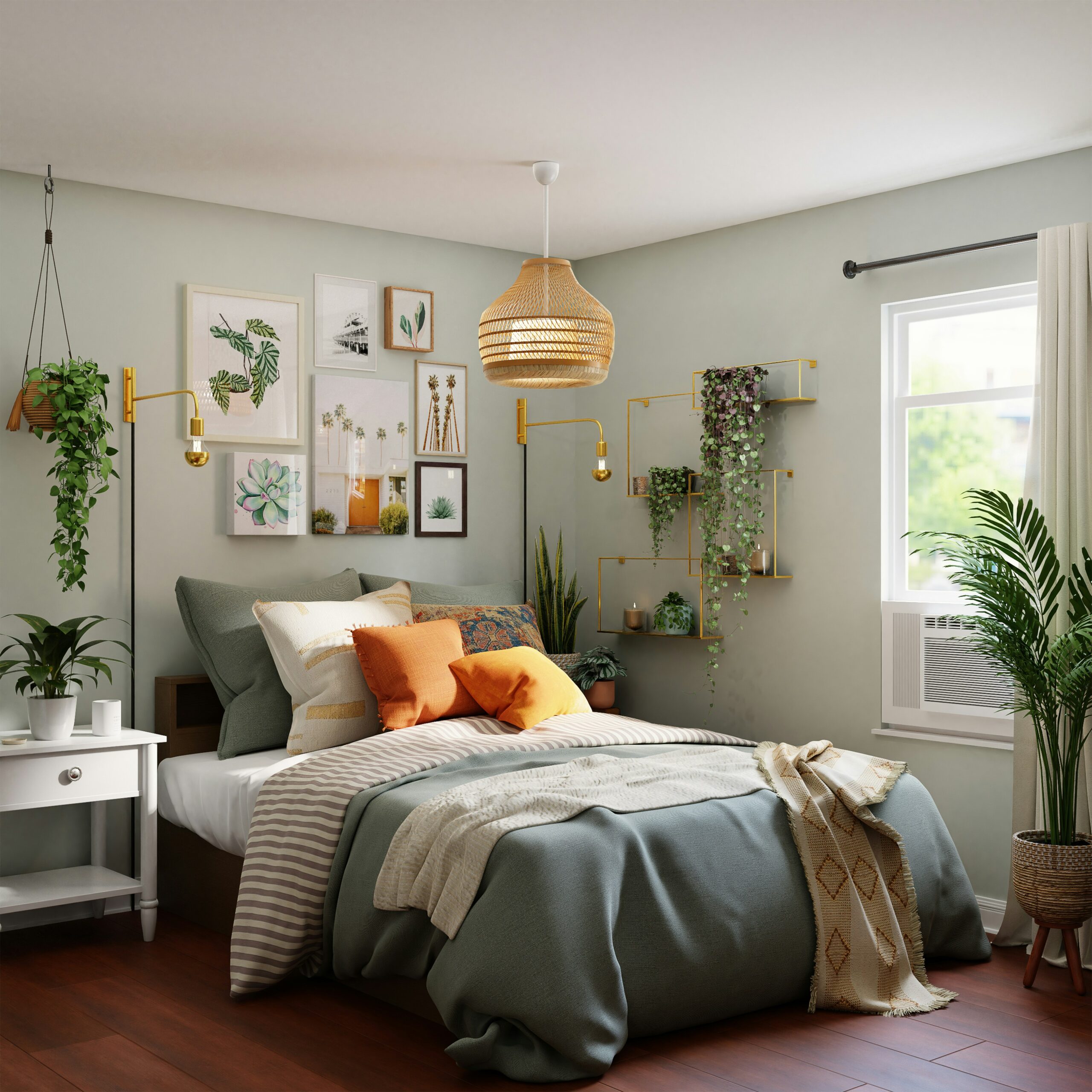 A small bedroom can be a pleasant place to sleep or an irritation you put up with every day. The variable isn’t really the room’s size; it’s whether the room has been thought about as a small space rather than treated as a large bedroom that happens to be small. Small bedrooms reward specific design moves. Done well, they feel calm and complete despite their dimensions. Done carelessly, they feel cramped, regardless of what you put in them.
Stop Treating It Like A Big Bedroom That Shrunk
The biggest mistake people make in small bedrooms is filling them with the furniture they’d put in a larger room, just at smaller scale. A small chest of drawers next to a small wardrobe next to a small chair next to a small bedside table next to a small bench. The room ends up full of small things, none of which works particularly well, and the bedroom feels miniature rather than considered.
Small bedrooms work better when you reduce the count of objects rather than the size of each one. Fewer pieces, each properly sized for the space, produces a calmer room than many small pieces fighting for floor area. A single well-chosen chest of drawers beats two cramped ones. A proper bedside table beats a tiny shelf that doesn’t fit a glass of water.
This means accepting that some functions will have to be handled elsewhere. The reading chair might live in the living room. The dressing space might be a wardrobe with a mirror inside rather than a separate dressing area. The exercise gear might be stored elsewhere. The room can’t do everything if everything requires its own piece of furniture; choices have to be made.
The Bed Choice Is The Foundation
In a small bedroom, the bed determines almost everything. Its size, position, height, and storage capacity all shape what the rest of the room can be. Get the bed wrong and no other decision can rescue the room; get it right and the rest of the room mostly takes care of itself.
The right bed for a small room is usually one size down from what you’d choose if space weren’t a factor, with built-in storage. A standard double with an ottoman base, in a room that might marginally fit a king, produces a better bedroom than a king-size that consumes the available floor space. The smaller bed delivers adequate sleeping space (more than adequate for solo sleepers, sufficient for couples without significant size differences) while leaving room for the rest of the room to function.
Ottoman beds designed for space efficiency work particularly well here because they absorb storage that would otherwise require additional furniture. The bed becomes the room’s main storage piece as well as the sleeping surface, freeing up wall space for things that genuinely need to be visible.
Wall Space As The Critical Resource
In small bedrooms, wall space matters more than floor space. Walls hold storage (wardrobes, shelving), light (lamps, windows), and visual interest (art, mirrors). A small bedroom with good wall use feels considered; a small bedroom with empty walls and crowded floor space feels chaotic.
This argues for going up rather than out where possible. Wall-mounted bedside lamps free up bedside table surface area. Floating shelves can replace small chests of drawers in some configurations. Mirrors on walls add light and apparent space without taking floor area. Wall-mounted hooks for everyday items reduce the things that have to live on horizontal surfaces.
The bed itself should typically be positioned to maximise wall use. Headboards against the longest available wall, leaving the side walls free for storage and circulation. Beds in corners can work in very small rooms, where the side against the wall doesn’t need access, but only if the room is small enough that the corner position genuinely opens up the rest of the space.
Built-In Storage Beats Freestanding
Where possible, built-in wardrobes and storage beat freestanding equivalents in small rooms. A built-in wardrobe extending to the ceiling uses vertical space that a freestanding wardrobe leaves above. The full-height design provides more storage capacity in the same floor footprint, and the integrated appearance reduces visual clutter.Sliding wardrobe doors can make this setup even more practical, as they don’t need additional clearance to open and can help maximise the available floor and wall space
If you’re renting and can’t add built-in storage, freestanding wardrobes that extend close to the ceiling are the next best option. Avoid medium-height wardrobes that leave dead space above; the empty zone reads as wasted and contributes to the cramped feeling.
For drawers and other storage, the same logic applies. A single full-height chest of drawers usually works better than two short ones, both because the capacity is higher per floor area and because the visual weight is concentrated rather than distributed.
Light Matters More Than You Might Think
Small rooms feel smaller when they’re dim. Generous lighting, particularly from multiple sources at different heights, opens up the apparent space without changing the actual dimensions.
The lighting strategy in a small bedroom should include: a soft ambient light source for general use, task lighting near the bed for reading, and ideally some accent lighting for atmosphere during evenings. A single overhead light creates harsh shadows that make the room feel smaller; layered lighting from lamps and sconces makes the room feel larger.
Natural light matters too. If the room has a small window, make it count by keeping the curtains as light-coloured and translucent as possible, avoiding heavy drapes that block daylight even when open, and positioning furniture so it doesn’t block window light. For windows that need blackout for sleep, blinds that fold up completely during the day work better than curtains that pile against the window frame.
The Mirror Question
Mirrors are the oldest trick in the small-room playbook, and they actually work. A well-placed mirror can roughly double the apparent depth of a small room by reflecting light and visually extending the space.
The placement matters. A mirror facing a window reflects the most light back into the room and creates the strongest sense of additional space. A mirror facing a wall doesn’t do much; the reflection just shows more of the constraint. The size matters too: a large mirror produces a more dramatic effect than a small one.
Mirror placement also depends on what you don’t want reflected. A mirror facing the bed can feel oppressive for some sleepers; the reflection of you sleeping is unsettling and the perceived space behind the mirror can produce minor discomfort. Mirrors elsewhere in the room are usually safer choices.
What To Cut From The Room
Small bedrooms benefit from explicit subtraction. The chair that holds clothes you mean to put away, the stack of books on the floor that you never get through, the exercise equipment used twice last year, the assorted clutter that accumulates on every horizontal surface, all of these are visible weight that the room can’t afford.
The honest fix is to remove anything that doesn’t earn its place. The chair that holds clothes is doing the work of a wardrobe; the clothes belong in the wardrobe and the chair belongs elsewhere or nowhere. The unused exercise equipment belongs in storage outside the bedroom. The books you’ll get to eventually can live on a shelf rather than in a pile.
This sounds like minimalism advice, and isn’t quite. It’s not about owning less in the absolute sense; it’s about not requiring the bedroom to hold everything. Other rooms can absorb some of the household’s possessions, even if it means rotating things into and out of the bedroom seasonally.
The Visual Calm Element
A small bedroom that’s visually calm feels larger than a small bedroom that’s visually busy, even when the dimensions are identical. Calm comes from limiting the visual complexity: a neutral colour palette rather than competing patterns, simple bedding rather than heavily styled, clear surfaces rather than displayed objects.
This isn’t a call for stark white minimalism. It’s a recognition that small rooms can’t carry as much visual weight as larger ones, and trying to give them as much produces overload. A small room with a few well-chosen elements feels more sophisticated than a small room crowded with personality.
The bed itself can carry one strong design moment, an interesting headboard, a saturated bedding colour, a notable bedside lamp, without competing with everything else in the room. Trying to make every element interesting produces visual cacophony; making one element the focus and everything else quiet produces calm.
The Working Approach
For most small bedrooms, the path to a workable room involves: choosing the bed size carefully (smaller than your room could theoretically hold), specifying storage built into the bed where possible, using wall space generously for wardrobes and lighting, removing furniture that isn’t doing real work, and maintaining visual calm rather than treating the room as a place to display possessions. None of this is exotic, but small bedrooms reward this approach more than larger rooms do, because the margin for error is smaller and every decision shows.