Lane Splitting: Definition, Legality, and More
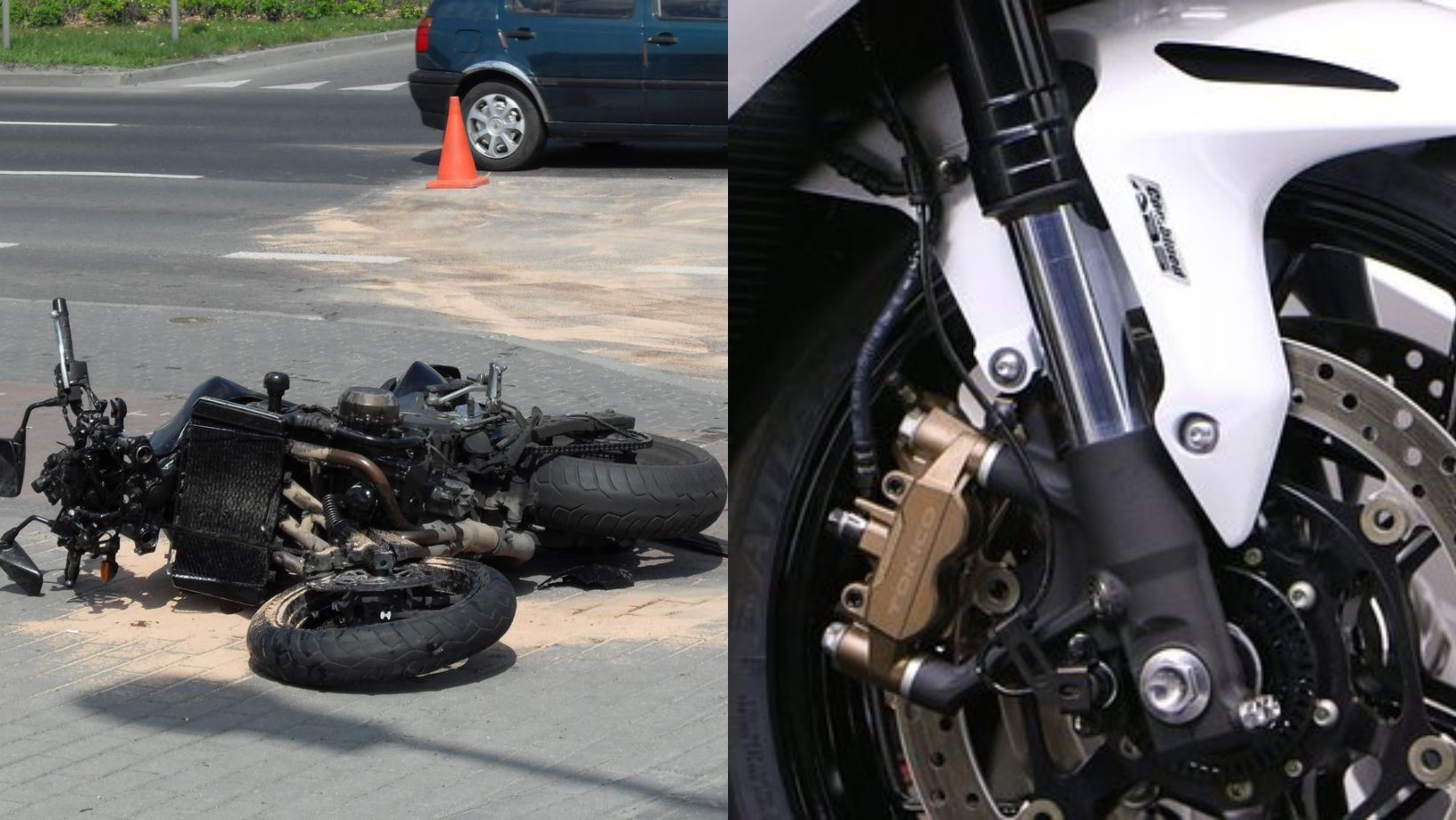
Lane splitting is a controversial topic that has sparked heated debates among drivers, motorcyclists, and lawmakers. It refers to riding a motorcycle between two lanes of traffic moving in the same direction, typically during heavy traffic or congestion. While some see it as a convenient way to navigate through traffic, others consider it dangerous and disruptive.
In this guide, we will explore the concept of lane splitting, its legality, and safety considerations for motorcyclists and other drivers on the road. If you find yourself in a legal situation related to lane splitting, we will also discuss when it may be necessary to contact a motorcycle accident attorney.
Read on to learn more about this hotly debated topic in motorcycles.
What is Lane Splitting?
Lane splitting, also known as white lining, is the act of maneuvering a motorcycle between lanes of slow-moving or stopped vehicles traveling in the same direction. It’s important to distinguish this from lane filtering, which is the practice of a motorcycle moving forward through stopped traffic at a red light or intersection.
Lane splitting typically happens on congested highways or freeways where traffic slows down or comes to a standstill. Riders navigate the space between lanes, aiming to save time by moving at a slower speed than traffic flow.
While lane-splitting legality varies by region, safety is paramount. Regardless of the law, motorcyclists considering this practice should always wear a DOT-approved helmet, protective clothing like a jacket and pants, and gloves. Plus, both the motorcycle and rider should be highly visible.
The legality of Lane Splitting
Lane splitting is illegal in most US states. This means riding your motorcycle between lanes of moving or stopped traffic is a no-go. There isn’t a specific law against it, but the North Carolina Department of Transportation (NCDOT) discourages the practice, emphasizing the importance of motorcyclists occupying an entire lane for safety.
The legal landscape for lane splitting is a patchwork across the country. California, for example, is the only state that explicitly allows lane splitting under certain conditions. There have been talks about legalizing lane splitting in North Carolina, but so far, no bills have been passed.
Arguments For and Against Lane Splitting
Lane splitting sparks debate, with strong arguments on both sides. Proponents highlight potential benefits for both riders and traffic flow:
- Reduced congestion: By squeezing through slow-moving traffic, motorcycles take up less space, potentially easing congestion for everyone.
- Improved motorcycle safety: Some argue lane splitting allows riders to escape the danger zone of stopped vehicles, which are more likely to be rear-ended.
- Economic benefits: Reduced commute times for motorcyclists could translate to economic benefits for businesses and individuals.

However, opponents raise safety concerns:
- Increased accident risk: Drivers who don’t expect motorcycles weaving between lanes could cause accidents due to inattention.
- Rider error: Maneuvering through traffic at different speeds increases the risk of mistakes by the motorcyclist themselves.
- Lack of awareness: Many drivers may not be familiar with lane splitting or the proper way to share the road with motorcyclists practicing it. This could lead to confusion and potentially dangerous situations.
Safety Considerations for Lane Splitting
Even in areas where lane splitting is legal, safety should be the top priority. Here’s what riders should consider:
- Experience is vital: Lane splitting isn’t for beginners. Experienced riders with proper training are better equipped to handle the close quarters and quick decisions involved.
- Mind the speed gap: Maintain a safe speed differential between your motorcycle and surrounding traffic. Aim to go no more than 10 mph faster than the slowest vehicles.
- Traffic matters: Heavy traffic congestion creates a better scenario for lane splitting than light traffic with vehicles frequently changing lanes. Avoid splitting at high speeds or in unpredictable situations. And always be on the lookout for merging traffic.
- Stay visible: Make sure drivers can see you by wearing reflective gear, using your lights and horn when necessary, and staying out of blind spots.
When to Seek Legal Guidance
If you’ve been involved in a motorcycle accident while lane splitting or have been ticketed for it, it’s essential to seek legal guidance from a motorcycle accident attorney. They can help you understand your rights, navigate the legal system, and potentially seek compensation for any injuries or damages.
It’s also important to remember that even if lane splitting is legal in your area, it doesn’t absolve riders from following traffic laws and practicing safe riding habits.
Ride safely and responsibly, whether lane splitting is allowed or not. Always be aware of the laws and regulations in your area to ensure a safe and enjoyable ride for all on the road.