How Healthy Eating Helps Fill the Nutritional Hole in Your Diet
Healthy eating is all about balancing all the nutrients that the body needs in your meals. With healthy eating, you can enjoy your favorite foods even if the food has high calories content, fat, or sugars. The main objective is to eat the meals once in a while and balance them with healthier foods. Healthy eating is also a plan that helps you manage weight, including a variety of healthy foods. Such as an array of fruits, vegetables, calcium-rich foods, and comfort foods.
How You Can Solve The Nutritional Gap
A nutritional hole in your diet refers to the nutrient gap formed when your body is high in certain nutrients and lacks others because you do not eat healthily. There is a need for your body to grow healthier and more energetic. Unfortunately, the nutritional gap can worsen because many standard diets don’t provide you with a comprehensive range of nutrients.
The diets may have low fiber, magnesium, potassium, calcium, vitamins A and E, and are essential for the body; filling the nutritional gap in the diet can get challenging. Your typical breakfast, lunch, and dinner do not have excellent calcium, potassium, vitamin D, and dietary fibers.
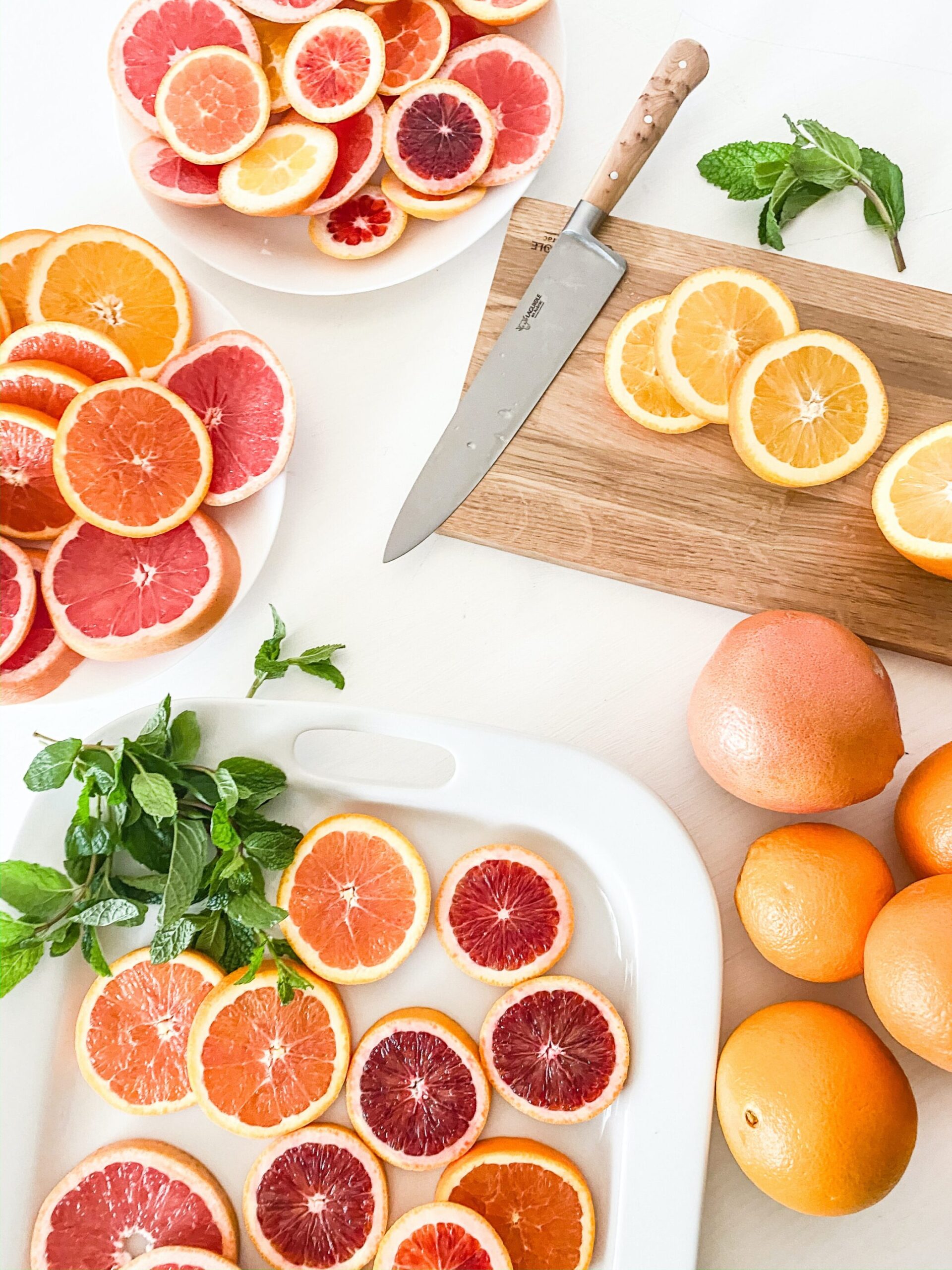
The nutrients are essential for a healthy body. It is advisable to have meals that fill the nutrition gap in your daily diet. The best thing is that it is free to choose wherever it fits naturally on which meal you can include the necessary nutrients. Another challenge is that a majority of people lack information about fruit nutrient quantities. Oranges, blackberries, and raspberries have high calcium; however, you may not be able to tell how much of the essential nutrient is present in any of the fruits. To enjoy the full benefits of the meals and fill the nutritional gap, you need to include the below nutrients in all your meals.
1. Vegetables
When choosing vegetables to include in your diet, think of the rainbow. The different colors of your vegetables represent nutrients that your body needs. You can try and have green leafy vegetables such as spinach and kale, add vibrant tomatoes and peppers. In addition, have some crunchy options such as broccoli, carrots, celery, and zucchini is ideal for eating raw. To fulfill the craving for starches, have high fiber options such as sweet potatoes and butternut squash.
2. Potassium
Many diets have high sodium and lack potassium, and this leads to a massive nutritional hole. When you have poor and unhealthy sodium-potassium balance, it leads to having high blood pressure, among other conditions. It would be best to increase the potassium intake, resulting in sodium-potassium balance, eventually restoring the blood pressure to healthy levels.
3. Calcium
Calcium is an essential nutrient that is unfortunately minimal in the diet. Calcium plays a magnificent role in the functions of the blood vessels, muscles, and nerves. In addition, calcium helps in bone formation and promotes healthy bones.
4. Fruits
When picking fruits, pick a rainbow, too, just like the vegetables. Select yellow bananas and pineapples. When craving for a great snack, you can indulge in the various types of green apples, kiwi, and berries
5. Grains
Foods such as oats, pasta, rice, barley, and cereal fall under the category of grains; it is essential to add grains in your meals, including quinoa, brown rice, whole grain, basmati, bulgur, and millet. The refined grains such as pasta, white bread, and pasta happen to be processed; thus, they have a more delicate texture and longer shelf life. However, they have less nutritional value. You need to ensure that at least half of your grain intake consists of whole grains.
6. Dietary Fibre
Diet fiber plays a significant role in the process of digestion and keeping bowel movements. Dietary fiber is present in or regular daily meals; however, your quantities are not adequate. Fortunately, the essential nutrients in the nondigestible part of plants are abundant in oranges, mangoes, bananas, and apples.
7. Vitamin D
It is critical to include food rich in Vitamin D to fill the nutritional hole. Vitamin D helps in maintaining the right balance between calcium and phosphorus. In addition, the vitamin works in conjunction with calcium to assist in the formation and maintenance of solid bone and healthy teeth.
8. Dairy
When selecting dairy opt for low fat or fat-free dairy selections such as cheese, milk, and yogurt; these are essential to meet your daily requirements. You can also select lactose-free or soy milk options if you have allergies.
9. Fats
Healthy fats provide the body with essential nutrients and come in various foods that you consume. Such fats could be part of your protein that you can find in mackerel or wild salmon. Also, you can find fats in your vegetable intake, which come in the form of avocados, seeds, nuts, or olive oil. Another option for oil is hazelnut or walnut. On average, part of the diet, stick to 6 teaspoons a day from all the sources to limit your fat intake.
10. Schedule Snacking Time
You can maintain your energy levels throughout the day by snacking. Healthy snacks help to curb and prevent overeating at mealtimes. You must eat something every four to five hours. You can use snacks to fill the gap with food groups that you miss from your meals. You only need to avoid the snack filled with empty calories, have too much sugar and unhealthy fats. You can have snacks such as
- Hard-boiled egg
- Greek yogurt with berries
- Peanut butter and celery
- Sunflower seeds with berries
- Almond butter with apple
11. include Supplements
Dietary supplements help achieve better health and fill the nutritional hole that some foods cannot reach. It is essential to eat a healthy meal; however, you continue to encounter dietary gaps that you have to fill by taking some supplements. More so for people that have some health conditions like a weakened system or allergies.
Eating healthy is about maintaining a balanced diet that can provide your body with all the essential nutrients for its daily nourishment and growth. The regular food that you take for breakfast, lunch, and dinner does not offer certain nutrients. It helps to include other foods to fill the nutritional hole.