How Families Can Spot Everyday Safety Risks for Ageing Loved Ones in Care
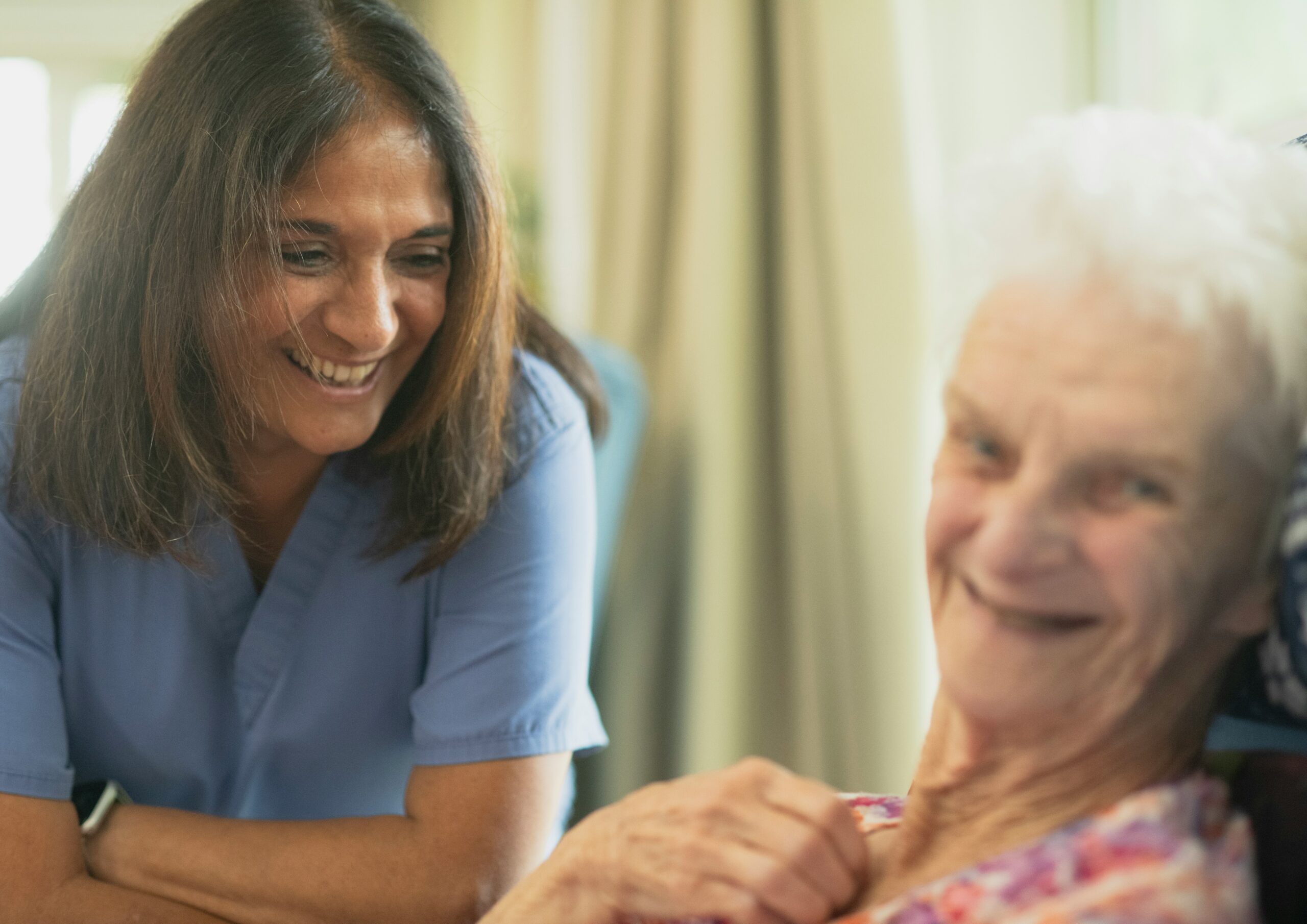 Choosing care for an aging loved one is a decision families rarely take lightly. It often comes after months, sometimes years, of balancing safety, independence, health needs and family responsibilities. Once that move has been made, there can be comfort in knowing support is available, but many families still wonder whether their loved one is being helped at the moments that matter most.
Everyday safety in a care setting is often shaped by small details. A walking frame left slightly out of reach. A call bell that takes too long to answer. A resident who feels too embarrassed to ask for help getting to the bathroom. These situations may seem ordinary, yet they can reveal whether an older person is receiving the right level of attention.
Families do not need to assume the worst whenever a bruise, stumble or fall happens. Health can change quickly, and accidents may still happen in careful environments. The important thing is to notice patterns, ask calm questions and understand where extra support may be needed.
The moments when independence becomes risk
Independence matters at every age. Many older people want to keep doing things for themselves for as long as possible, and that wish should be respected. The concern begins when independence is encouraged without enough awareness of what a person can safely manage.
For some residents, getting out of bed is the riskiest part of the day. For others, the bathroom is where they feel most vulnerable. Some become unsteady after medication. Others walk confidently in the morning but become tired or confused by evening. A person may look capable during a short visit, yet still need help during specific routines.
This is where families can begin to look beyond the surface. A loved one may say they are fine because they do not want to worry anyone. They may avoid mentioning that they waited too long for help or tried to walk alone because no one came. They may feel embarrassed about needing assistance with toileting, bathing or dressing.
After a fall, families often replay the ordinary details: whether their loved one had asked for help, whether they were known to be unsteady, or whether it happened during a moment when supervision should have helped. These questions are not about jumping to blame. They are about understanding whether the care being provided matches the person’s real needs.
A useful way to think about this is to focus on predictable risk. If someone has fallen before, feels dizzy after medication, forgets to use their walker or frequently needs help at night, those details should shape how they are supported. Supervision should reflect the person’s habits, limits and routines.
What families may notice before something goes wrong
Families are often the first to sense that something has changed. A parent who once chatted happily during visits may seem anxious. A grandparent may stop walking to the dining room and prefer to stay in their room. Someone who used to enjoy getting dressed may begin refusing showers or fresh clothes. These changes can have many causes, but they are worth exploring.
Small physical signs can matter too. New bruises, skin tears, swelling, soreness or repeated complaints about aches should be gently questioned. Sometimes an older person may not clearly remember how an injury happened. They may minimize it, especially if they fear causing trouble or being moved elsewhere.
Changes in confidence are just as important. A loved one who suddenly grips furniture while walking, hesitates before standing, or seems frightened of the bathroom may be showing signs that they no longer feel safe. Comments such as “I didn’t want to bother anyone” or “I thought I could manage” may suggest they are trying to cope alone when support is needed.
Families should also listen for repeated mentions of waiting. Waiting for someone to answer a call bell. Waiting for help to use the toilet. Waiting for assistance getting into bed. A single delay can happen anywhere, but repeated delays during high-risk routines should be taken seriously.
During visits, it can help to observe the room as your loved one experiences it. Is the walking aid close enough? Can they reach water, glasses, tissues and the call bell? Are slippers supportive or loose? Is the floor cluttered? Is the bed too high or too low? These simple details can influence whether someone moves safely or takes a risk because the thing they need is out of reach.
Why a fall should be taken seriously
Falls can have a lasting effect on older adults, even when the injury seems minor at first. A fall can lead to pain, bruising, fractures, hospital visits and reduced mobility. It can also change how a person feels about moving around. Someone who once walked confidently may become fearful, withdrawn or reluctant to take part in daily routines.
This emotional impact is easy to overlook. Families may focus on whether there was a broken bone or visible injury, but confidence can be shaken even after a near miss. An older person may begin avoiding the bathroom, refusing activities or staying seated for long periods because they are afraid of falling again.
Health guidance notes that falls can affect confidence and quality of life, which is why families should take them seriously. A fall is often a signal to review the person’s support, surroundings and daily routines.
This does not mean every fall could have been prevented. Health conditions, medication side effects, muscle weakness, poor eyesight and confusion can all increase risk. Still, when a person is known to need help, the response should be thoughtful. Families can ask whether the care plan was reviewed, whether staff noticed any recent changes, and whether extra precautions were added afterward.
A near miss deserves attention too. If a loved one almost fell while reaching for their walker, stumbled on the way to the bathroom, or became dizzy standing up, it may be a chance to prevent something more serious. Raising concerns early is often the most practical way to protect someone’s independence.
Everyday routines that deserve closer attention
The highest-risk moments are often the most ordinary. Getting out of bed, using the toilet, washing, dressing and moving to a chair can all become difficult as strength, balance or memory changes. Families may not be present during these routines, so it is worth asking how they are handled.
Bathroom routines are especially important. Many older people feel embarrassed asking for help with toileting, so they may try to manage alone. Night-time bathroom visits can be even riskier because the person may be sleepy, disoriented or reluctant to press the call bell. If a loved one has had falls or near misses near the bathroom, ask about night checks, response times and whether support is offered before urgency turns into risk.
Medication timing can also play a part. Some medicines can cause dizziness, drowsiness or a sudden drop in blood pressure. Families do not need to manage the clinical details themselves, but they can ask whether staff have noticed changes after medication. If a loved one tends to become unsteady at certain times of day, that pattern should be shared and recorded.
Transfers are another key area. Moving from bed to chair, chair to walker, toilet to standing position, or wheelchair to bed requires strength and balance. If a person needs assistance with transfers, the right help should be available consistently. Families can ask whether one staff member is enough, whether equipment is needed, and whether the person sometimes tries to move before help arrives.
Mealtimes and hydration can affect safety too. A person who is dehydrated, hungry or weak may be more likely to feel dizzy or tired. If your loved one is leaving meals unfinished, drinking less or losing weight, it may be worth asking whether this is affecting their mobility.
Call bells deserve practical attention. Can your loved one reach the bell from bed and from their chair? Do they understand how to use it? Do they press it but then attempt to move because the wait feels too long? A call bell is useful only when the person can access it and receives a timely response.
The difference between being watched and being understood
Good supervision means knowing the person well enough to predict where support is likely to be needed. This includes understanding their routines, personality, fears and habits.
One resident may always try to get up at night without asking. Another may refuse help because they feel embarrassed. Someone with memory problems may forget that they need a walker. A person recovering from illness may think they are stronger than they are. These details matter because support should respond to the individual, not simply the room they are in.
Families can help by sharing what they know. If your loved one has always been private about personal care, staff may need to approach bathroom support with extra sensitivity. If they dislike asking for help, staff may need to check in before they reach the point of struggling. If they become confused in the evening, routines may need to be adjusted around that time.
It is also important to notice whether your loved one seems understood. Do staff know how they prefer to be addressed? Do they know which side is weaker, which shoes are safest, or when the person usually needs the toilet? Do they notice when your loved one is tired, unsettled or moving differently? These signs can tell families whether care is being adapted to the person.
The aim is to protect dignity while offering help at the right moment. Support should allow an older person to continue doing as much as possible safely.
Turning concern into calm, useful questions
When something feels wrong, families may feel emotional, guilty or angry. Those feelings are understandable, especially after a fall or injury. Even so, calm and specific questions usually lead to better answers than broad accusations.
It can help to ask what happened before, during and after an incident. What was your loved one doing? Were they alone? Had they asked for help? Was their walking aid nearby? Had they recently taken medication? Were they trying to reach the bathroom? Was the care plan updated afterward?
Families can also ask about wider patterns. Has their mobility changed recently? Are they more confused at night? Are they eating and drinking enough? Have staff noticed dizziness, weakness or anxiety? Has there been more than one fall or near miss? These questions encourage a practical review instead of a defensive conversation.
If concerns continue, keep simple notes. Write down dates, injuries, comments your loved one makes, changes in behaviour and answers given by staff. Notes can help families spot patterns that might otherwise be forgotten during emotional conversations.
There may also come a point where the family needs to think again about whether the current care arrangement still fits. A helpful starting point can be reading more about choosing the right care for elderly family members, especially if your loved one’s needs have changed since the original decision was made.
The goal is to give families confidence to ask reasonable questions when the care being provided no longer seems to match the person’s needs.
What to do when your instincts keep telling you something is wrong
Families know their loved ones in a way that care staff may not. You may recognise a change in mood before anyone else does. You may notice when a smile feels forced, when someone is moving differently, or when they seem frightened but cannot explain why. Those instincts matter.
A single bruise or stumble may have a simple explanation. Repeated concerns deserve closer attention. If your loved one keeps falling, seems afraid to move, waits too long for help, or says they feel unsafe, it is reasonable to ask for a proper review of their care.
Spotting everyday risks means making sure independence is supported safely. Older people deserve the chance to move, wash, dress, eat and enjoy daily life with confidence. They also deserve help when their bodies, memory or health make certain moments harder than they used to be.
For families, the most useful approach is steady and observant. Look for patterns. Ask clear questions. Share what you know. Trust your concerns when they keep returning. The smallest daily details can make the biggest difference to an ageing loved one’s safety, dignity and peace of mind.