Driving in the winter months? Check out these 5 winter driving tips
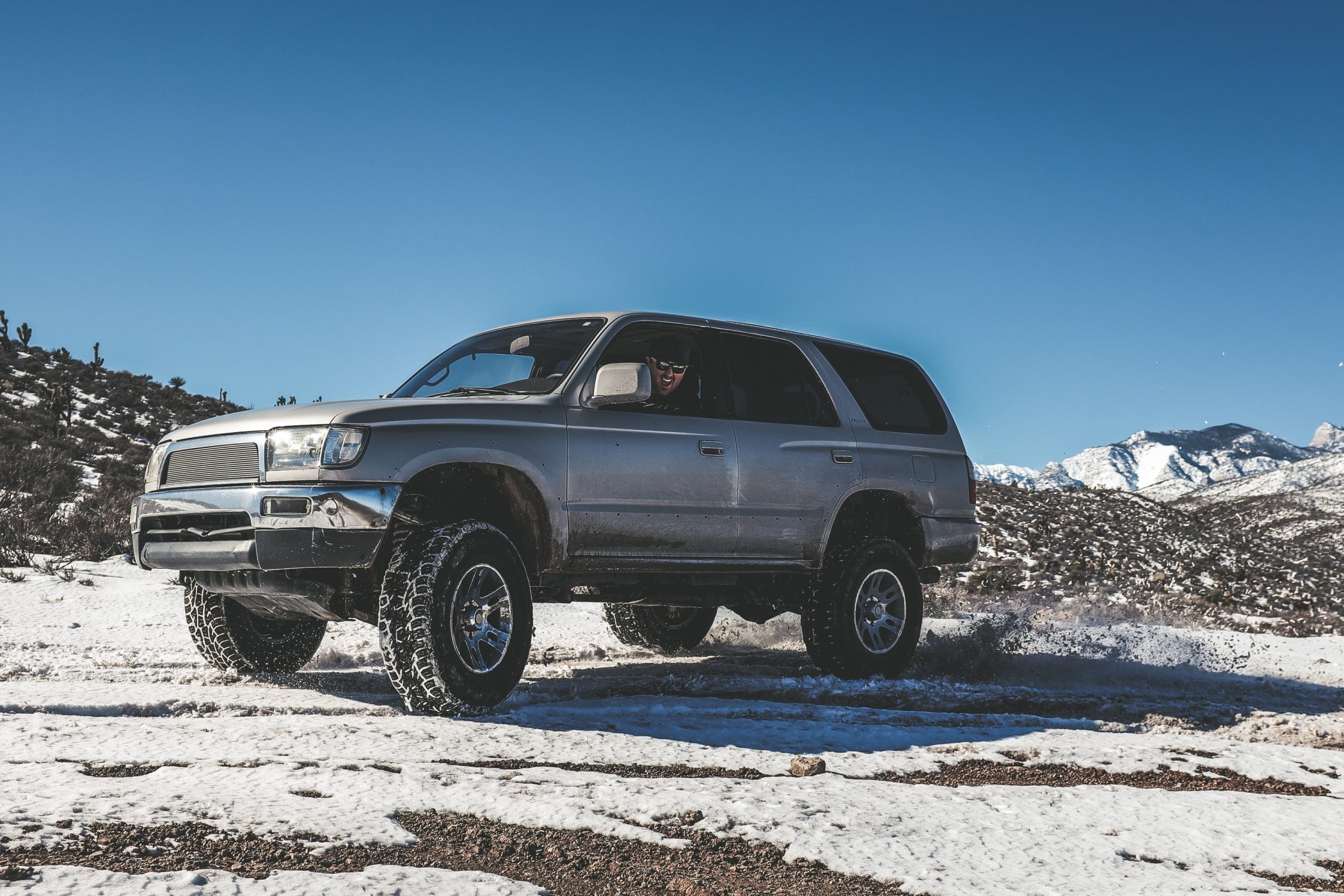 Winter is finally here, which means we have lots to look forward to, including the festive season, comfort food, cosy nights in and lots of time spent with family. One thing many of us dread however, is the change in the weather. Cold winds, icy rain, snow, sleet and hail are all expected throughout the chillier months of the year, but when you have errands to run and places to be, the idea of getting from A to B often fills drivers with dread. The last thing any driver wants is to find themselves in a car accident – for motor vehicle accident lawyers click the link – especially when you’re travelling with the children in the back.
So, how can you make driving in the winter months a little more bearable? And hopefully, a little safer? Read on for 5 winter driving tips.
Have a winter essentials kit
It’s always best to prepare for the worst when you’re driving in the winter months. And having a winter essentials kit packed in your trunk is an absolute must. You can create your own winter essentials kit but here are some basic items that you should include:
- Blankets
- Bottled water and snacks
- Jump leads/ tow rope
- A torch
- Map
- First aid kit
- A shovel
Take it slow
During the winter months, its never been more important to drive to the conditions around you. From heavy rain and sleet, to thick snow and ice on the roads, the best course of action is to drive slowly and take your time. Don’t be tempted to over take another driver who is being cautious either.
Keep your distance
When the weather is bad, and traffic is moving at a much slower speed than you would like, it can be frustrating to say the least. And while it’s tempting to bunch up behind a driver who is moving rather slowly, you need to keep stopping distances in mind. On surfaces such as ice and wet roads your stopping distance will increase, meaning you’re highly likely to hit the car in front of you if you’re not giving them enough room. Be smart and stay patient.
Beware of bodies of water
It’s expected for rainfall to increase over the winter months, and as a result you many come across bodies of water on the roads. It’s important to exercise caution when driving through any mass of water. As it can cause extensive and irreversible damage to your vehicle. When you come across a road that is flooded, try to gauge the depth of the water before driving through it. If in any doubt, simply find another route. After driving through any large amount of water you should test your brakes afterwards.
Stay home
Sometimes, the best option is to simply stay at home! Ask yourself if driving in the bad weather is truly worth the risk. You could potentially wait until the roads are clearer or the weather improves. Use your best judgement.