Children Learn From Seeing Wildlife in Its Natural Habitat
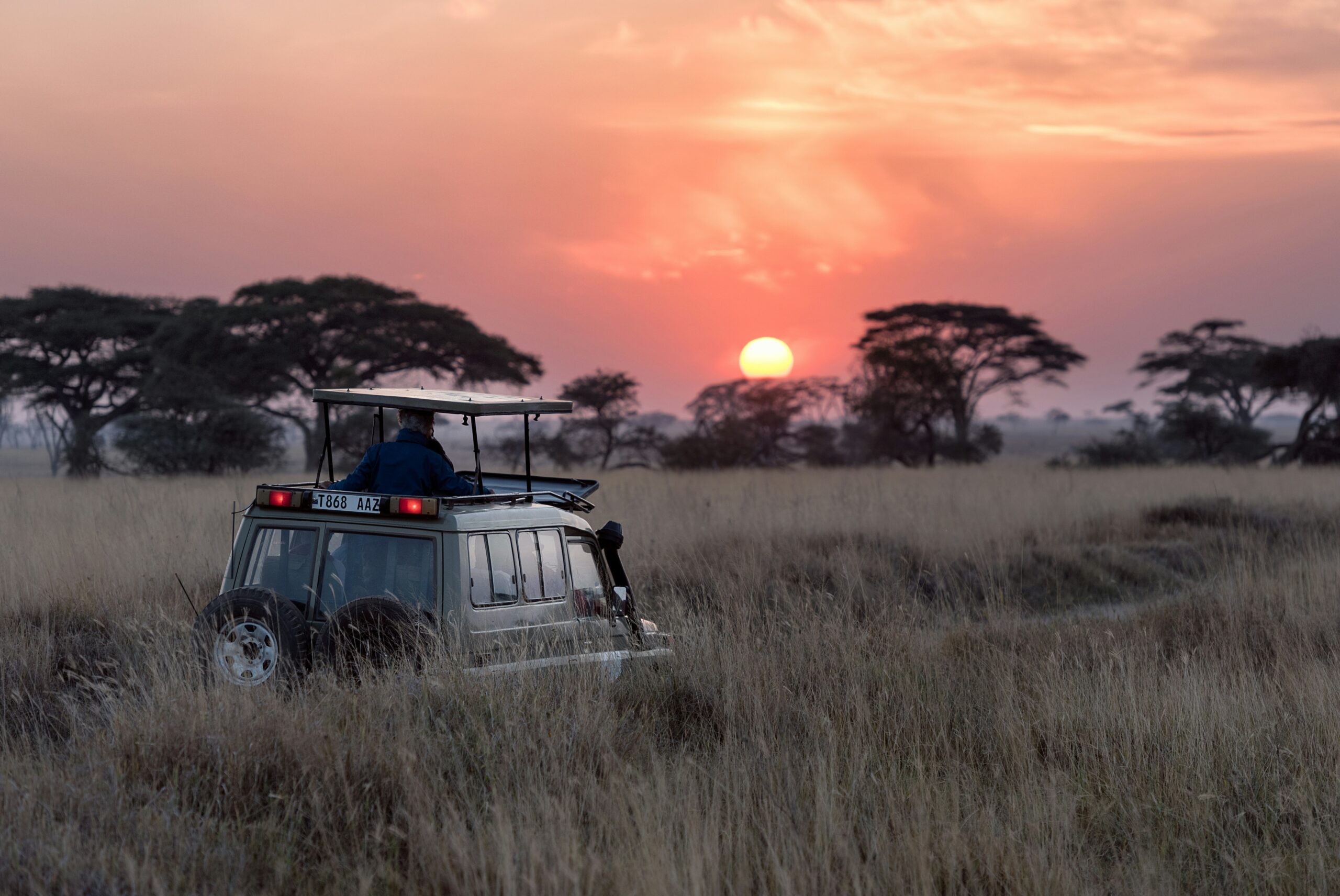 It is one thing to read about the natural world in a school book, but quite another to stand in the middle of it. While documentaries and zoos give us a glimpse into the lives of animals, nothing quite compares to the magic of seeing them in the wild. It’s about more than just “seeing” an animal; it’s about the stillness, the sudden spark of wonder, and that quiet sense of respect you feel when life unfolds exactly as it should, without any human interference.
For families who fancy a bit of travel that goes a little deeper, an African safari can be a proper eye-opener for kids. It isn’t just a tick box exercise of spotting the “Big Five.” Instead, it’s a chance for them to watch how an entire ecosystem breathes, noticing those tiny, blink-and-you’ll-miss-it behaviours that happen when we aren’t the centre of attention.
Patience and the Art of Observation
If there is one thing a safari teaches children almost immediately, it’s patience. In the wild, animals don’t perform on cue. You can’t just press “play.” Sometimes, the best moments come after a long, quiet wait. For a generation used to instant everything, this can be a bit of a shock to the system at first, but they soon settle into the rhythm of the bush.
Waiting for a family of elephants to meander across a track, or watching a lion lazily stretch under an acacia tree, shows them that the best things in life are worth the wait. They start to pick up on the little things: the twitch of an ear, the way the grass ripples, or a sudden change in the air. These skills of watching and waiting stay with them long after they’ve unbuckled their seatbelts back home.
Real Respect for the Wild
Seeing animals in their own backyard gives children a very real sense of respect. Unlike a zoo, the animals here are the bosses. They move where they want and do what they need to do, regardless of who is watching. Kids quickly realise they are just guests in someone else’s home.
This builds a genuine kind of empathy. They start to see that their own actions, like being too noisy or leaning out of a vehicle, these have a direct impact on the creatures around them. They learn that nature needs its space, a lesson that feels more relevant now than ever.
Getting to Grips with Ecosystems
A safari is a brilliant way to see how everything is connected. It’s not just about the big stars of the show; it’s about how the birds follow the grazers or how a single waterhole becomes the local pub for every species in the area.
These moments spark the kind of “why” questions that a textbook just can’t satisfy. Why do zebras hang out with giraffes? How do meerkats decide who’s on lookout duty? It turns a holiday into a bit of a living laboratory, encouraging kids to think critically about how the world actually works.
A Bit of Bush Mindfulness
Life in the wild has a way of slowing everything down. Those early morning starts and quiet evenings under a massive sky offer a rare kind of peace. Children start to tune in to the soundtrack of the bush, from the distant call of a bird to the crunch of dry grass.
This “mindful” way of being is great for emotional regulation. It teaches kids to be present and find joy in the quiet bits. It’s a bit of a mental reset that helps with everything from schoolwork to how they interact with their mates.
Stories and Big Questions
Wildlife encounters are absolute fuel for a child’s imagination. You’ll hear them narrating what’s happening, making up stories about a leopard’s morning or wondering how a cub learns the ropes.
These chats are where the real learning happens. As parents, you don’t need to be a walking encyclopaedia; you just need to listen. The stories they create in their heads often stick much longer than a list of facts, embedding a deep connection to nature through their own creativity.
Bonding Over the Small Stuff
There’s something special about a shared family “wow” moment. Whether it’s the thrill of a first sighting or the hush of a sunset, these experiences build a unique bond. Kids learn a lot from watching how the grown-ups react to the wild, and those shared memories become a foundation for how the whole family views the world.
Future Stewards
Finally, seeing animals in the wild often plants a seed of conservation. When a child sees how vulnerable and precious these habitats are, they start to care more about protecting them. It’s not a lecture; it’s a feeling. They internalise the need to look after the planet because they’ve seen, firsthand, what’s at stake.
A Lasting Impression
The lessons from the wild aren’t just for the duration of the trip. The patience, the empathy, and the curiosity stay with them for years. They might forget the name of a specific camp, but they’ll never forget the feeling of seeing a leopard in the high grass.
An African safari might look like a holiday on paper, but for a child, it’s a classroom without a ceiling. It’s a place where they can learn about the world and themselves in the most natural way possible.