8 Unique Hacks to Save Money on Groceries Each Week
Disclaimer: This post is sponsored by PSECU, a Pennsylvania-based credit union.
Many families bemoan the high cost of grocery shopping but fail to take advantage of techniques to cut costs. Nearly everyone has heard the advice about buying items in bulk when they go on sale, but does this truly save the most cash? The answer may surprise a lot of people.
Grocery shopping on a shoestring budget can mean taking a hard pass on certain prepackaged convenience foods. This benefits health, as many of these items contain a ton of salt, sugar and fat. People can save considerable money by utilizing these techniques to eat well without dropping a wad of Benjamins.
-
Sign up for Coupon Sites
The wonder of the internet makes it easy to save money on favorite products. A host of money-saving sites such as Groupon, Living Social and Ebates share incredible deals, sometimes on groceries.
Those who adore certain brands should surf the manufacturer websites for coupons. Additionally, grocery chains with loyalty reward cards send electronic circulars with member-only deals, and signing up is free. Some stores allow customers to combine manufacturer and store coupons for double the savings.
-
Download Apps from Favorite Stores
Popular big-box chains, such as Target, have launched apps that offer users special deals. Many allow people to customize their apps with their preferences for certain types of products purchased most often. Apps such as Out of Milk enable people to add to their shopping list as soon as they realize they are out of something — this helps folks keep inventory of their pantry and not waste money on items they already have.
-
Read the Sales Circulars
Just about every grocery offers electronic and print weekly circulars indicating what’s on sale. Since many grocery stores are located in the same general vicinity, it’s possible to save gas while still finding the best bargains from each market.
When writing a list, organize it store by store to remember what’s on sale where. Start at the grocery furthest from home and pick up items from other stores on the way back.
-
Study Ingredient Labels
Many store brands cost considerably less than brand names — even though both items are produced by the same manufacturer. Take the time to scan labels, as many products contain identical ingredients. After all, peeps don’t eat the box or can their food comes in, so why pay more for a fancier label?
-
Learn What’s in Season When
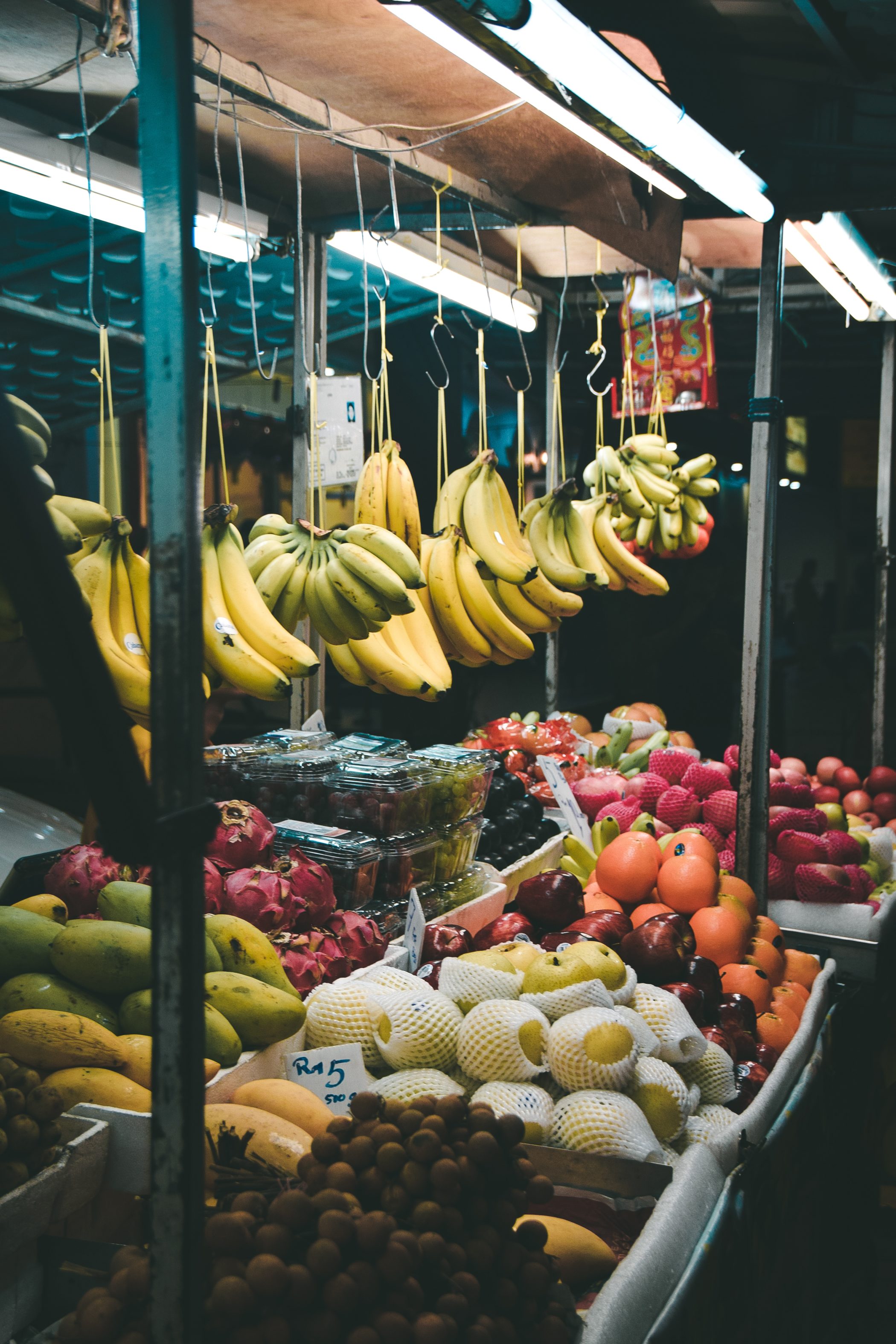
Switching to plant-based eating can save considerable cash when folks know what produce to buy when. Take the time to learn when certain vegetables come into season. It tastes more delicious and fresh, and grocers routinely place such items on sale.
Buying in season helps reduce shoppers’ carbon footprint as well. Fruits and vegetables not in season in cooler climates are shipped from sunnier southern locations, meaning it takes emission-producing big rigs to drive long distances to get these products to stores.
-
Frequent Farmers Markets
With summer on the way and temperatures rising, farmers markets rush to set up their stands and peddle their wares. Buying organic produce at traditional grocery stores can cost a pretty penny, and purchasing organic from local farmers saves money.
In addition to tasty organic veggies, farmers markets offer eggs on the cheap. Ovo-vegetarians who eschew store-bought eggs out of concern for animal welfare can enjoy fresh eggs from local chickens — all that’s needed to ensure farmers raise them humanely is looking at the yolk. Eggs produced by grass-fed hens allowed to wander freely have darker yellow, almost orange-tinted yolks.
-
Look into Meal Kit Options
Those ads for meal kits claiming using their delivery services saves money speak the truth. A steak-and-potatoes meal from a popular meal kit service costs nearly $12 less than a similar meal from a grocery and approximately $5 less than dining out.
Meal kits also benefit those following special diets. Those wanting to lose weight will adore the way they portion out appropriate serving sizes. Those following vegan or vegetarian diets can find options catered to their lifestyle.
-
Buy Meat Whole in Slabs
Those who consume animal products can penny-pinch by purchasing meat items in bulk and slicing them into servings themselves. Buying a whole chicken, for example, costs far less per pound than buying boneless, skinless breasts.
As food animals raised humanely produce tastier cuts, people can take a hint from restaurant professionals and find a reputable butcher online. Slabs of meat come right to individual doorsteps where they can be sliced up and put into the deep freezer immediately.
Eating Well Without Spending a Ton
Grocery shopping can make up a large part of a family budget, but using smart techniques helps folks save moolah at the checkout. People should follow these tips to eat better while still keeping more cash in their wallet.
For a side-by-side comparison of the cost of buying groceries vs. meal kit delivery, check out PSECU’s graphic here!