Why Winning Isn’t Always Enough: The Psychology of “What If I Bet More?”
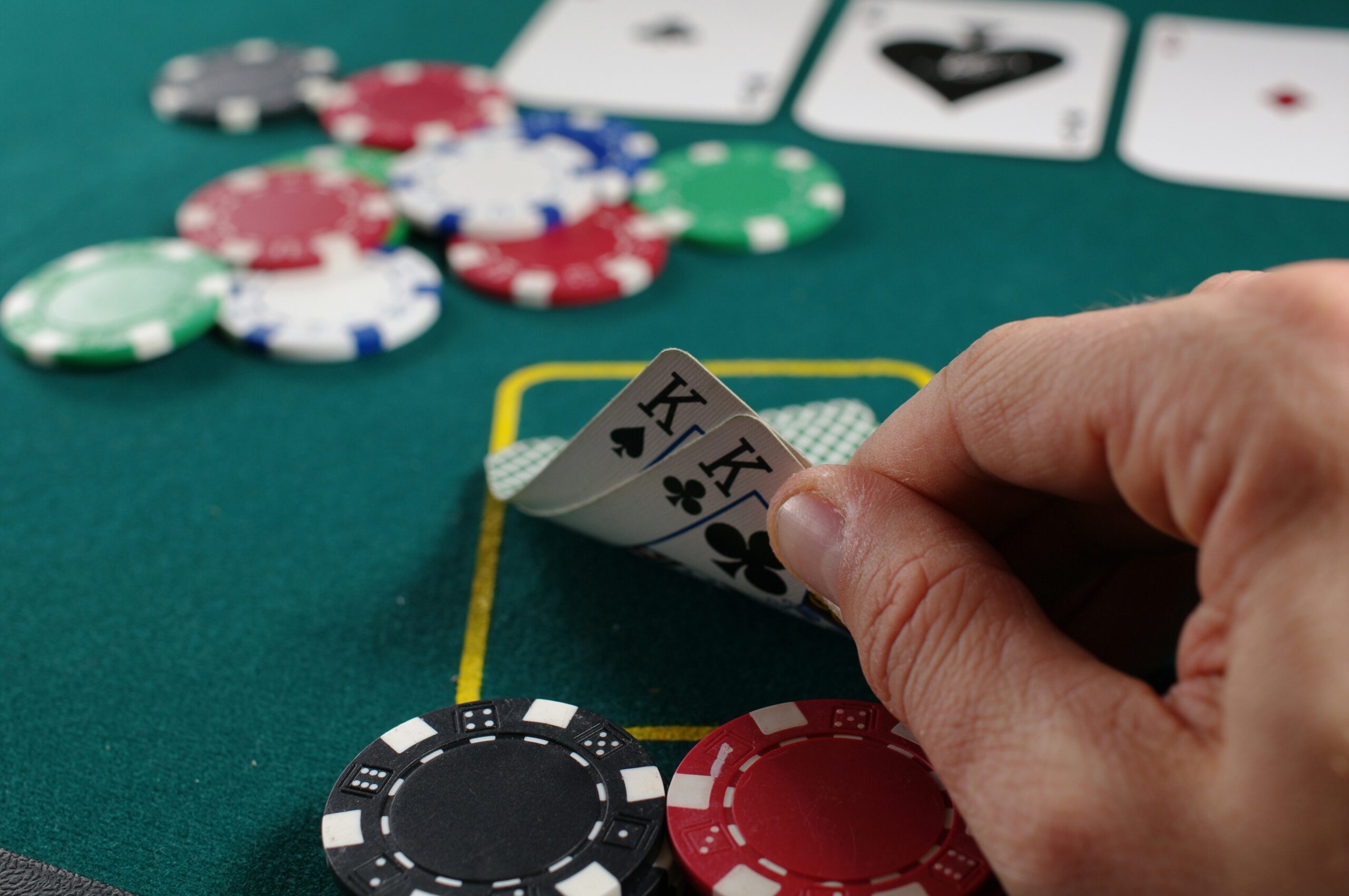
A $500 win can shrink in your head surprisingly fast. The moment you imagine the same result on a larger stake, the real outcome starts competing with money that never existed. That gap is where gambling regret often begins. The result was positive, yet the comparison changes the feeling around it.
The Brain Immediately Builds a Better Version
After a win, the mind is quick to rewrite the scene.
What if the bet had been twice as large? What if the session had continued for ten more minutes? What if the other game had been chosen?
This is counterfactual thinking: imagining an alternative version of an event that has already happened. It is common far beyond gambling, but gambling psychology makes the effect especially visible because every decision has a clear financial result attached to it.
The problem appears when the imaginary version starts to feel like the “real” one. A $500 win can suddenly feel incomplete next to a hypothetical $1,000 outcome.
Hindsight Makes the Bigger Bet Look Obvious
Once the result is known, the larger wager can look like the missed smart move.
Before the spin, however, the situation was different. Doubling a $50 bet to $100 did not only double the potential win. It doubled the amount exposed to a losing outcome as well.
That is the trap behind hindsight bias in gambling. People judge an earlier decision using information that only became available afterwards.
A useful test is simple:
- What did I know before the wager?
- Would the larger stake still have felt sensible if the result had lost?
- Was the stake within the budget I had already set?
Those questions put the decision back into the moment when it was actually made.
A Good Outcome Can Come From a Bad Decision
Short-term results are poor judges of decision quality.
Someone can ignore their budget, place a much larger wager and win. The result is excellent. The process may still have been reckless. The reverse happens too. A player can choose a comfortable stake, follow a planned limit and lose. The negative result does not automatically make the original decision poor.
Casino winning psychology becomes clearer once outcome and process are separated. The result tells you what happened. The decision tells you how much risk you chose before knowing what would happen.
That distinction matters because copying a lucky decision can be more dangerous than accepting an ordinary loss.
Imaginary Winnings Can Start Feeling Like Lost Money
This is where gambling regret gets expensive.
Suppose someone wins $500 and immediately thinks, “That could have been $1,000″. Nothing was actually lost. The extra $500 existed only in an alternative version of the bet.
Yet the emotional reaction can be surprisingly similar to missing out on real money.
Large jackpots and unusual multipliers make this stronger because the gap becomes visually dramatic. A player sees what the payout would have been at a higher stake and starts measuring the real result against the maximum imaginable one.
The comparison is optional, but the emotion can feel automatic.
The Next Bet Is Where the Feeling Matters
Regret becomes more important when it changes the next decision. For example, a player using an online casino such as winshark.com may feel they “missed” an extra $500 and increase the next stake to compensate. That creates a strange situation: real money is being risked to recover money that was never actually lost.
The previous result has already finished. The next wager has its own risk.
Increasing stakes after a win also changes bankroll exposure. A larger bet can magnify the next win, but it can magnify the next loss just as quickly.
Gambling regret is therefore most useful as a signal. If a hypothetical outcome is pushing the next stake higher, the comparison has started influencing behaviour.
Judge the Decision You Actually Made
The cleanest way to look back at a wager is to use the information that existed before the result.
Was the amount within budget? Did the player understand the game and the risk? Would the same stake still seem acceptable if the outcome had gone the other way?
If yes, the decision does not become worse simply because a larger hypothetical win can be imagined. That is the broader lesson behind gambling psychology: satisfaction depends heavily on the comparison point. A win can feel small next to an invented alternative, even when the real result is positive. For affiliates, that same psychology matters when casino content discusses wins, multipliers and larger stakes.
With revenuelab, partners can test relevant offers and use personalised analytics to understand which messages attract attention without turning hypothetical upside into an unrealistic expectation.