Why I Started Looking Beyond Traditional Learning Activities
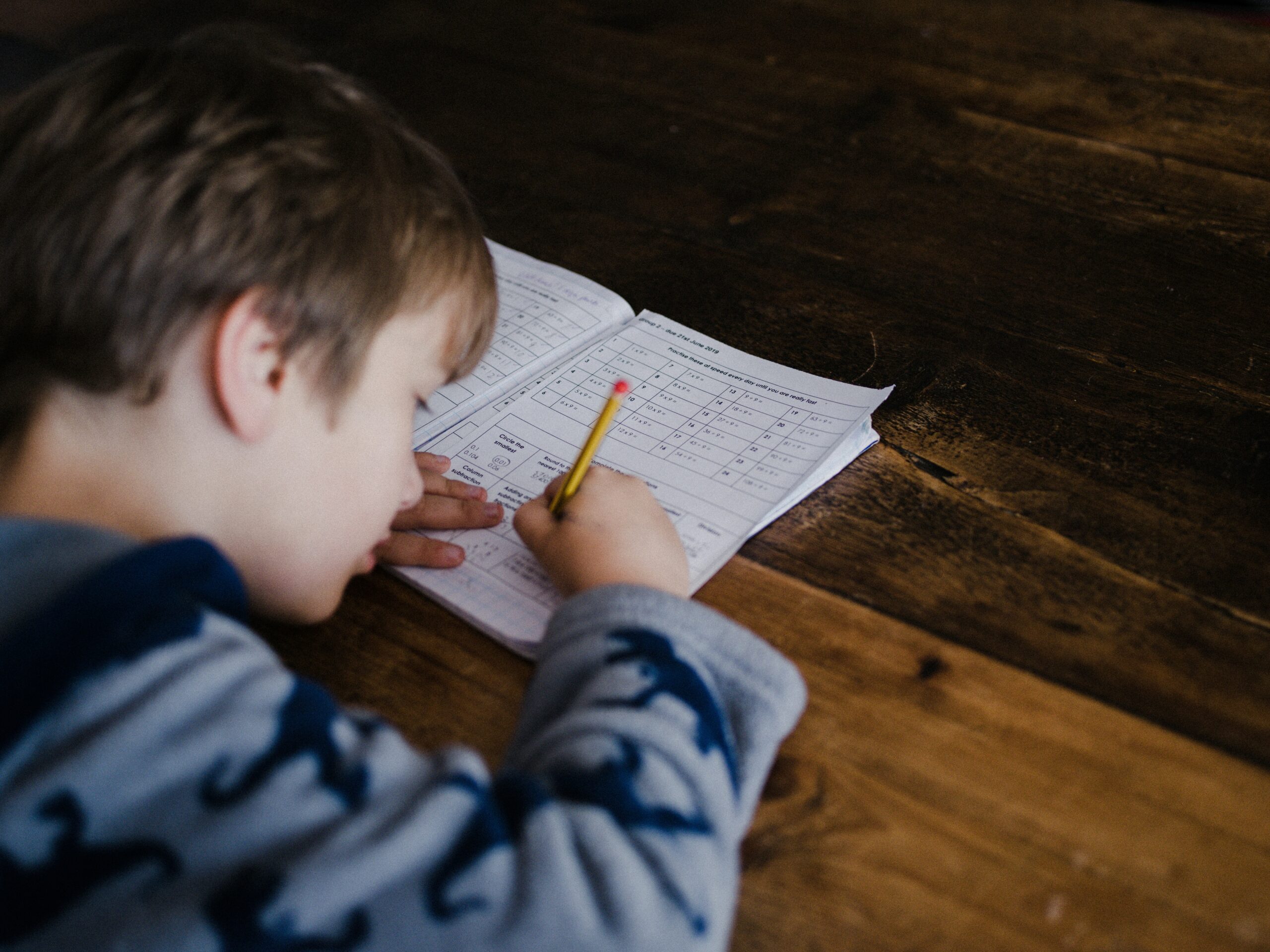
For a while, I thought I was doing everything right.
I bought the workbooks. I printed activity sheets. I bookmarked educational videos and kept a small pile of “brain-building” games in the living room that I hoped my kids would magically become obsessed with.
Some of it worked.
A lot of it didn’t.
The biggest problem wasn’t that the activities were bad. It was that many of them felt like extra schoolwork disguised as fun. My kids noticed that immediately, even when I tried to make it exciting.
And honestly, I couldn’t blame them.
After a long school day, the last thing most children want is another structured lesson sitting at the kitchen table.
That realization changed the way I started thinking about learning at home.
I Stopped Focusing So Much on “Educational”
At some point, I noticed something interesting.
The activities my kids learned the most from weren’t always the ones marketed as educational.
They learned problem-solving while building weird cardboard inventions.
They learned patience from board games that lasted way too long.
They learned creativity from storytelling games where the rules barely made sense by the end.
Meanwhile, some of the more traditional learning activities created resistance almost immediately.
It made me realize that curiosity matters more than appearances.
Kids engage differently when they feel like they’re exploring instead of being evaluated.
That doesn’t mean structure is bad. Of course kids still need reading practice, math skills, and routines. But I started looking for activities that gave them more ownership and freedom within the learning process.
The difference in their attitude was immediate.
Learning Through Play Feels More Natural
One thing I underestimated as a parent was how powerful play actually is.
Adults tend to separate “learning” and “fun” into two completely different categories, but children don’t always see that divide. Kids naturally learn through experimentation, repetition, mistakes, and curiosity.
You can see it happen constantly.
A child builds the same tower five different ways just to test what happens.
They invent complicated rules for made-up games.
They ask endless questions about things adults stopped noticing years ago.
That kind of curiosity is already learning.
The challenge is keeping it alive instead of accidentally turning every activity into performance.
I started noticing that my kids stayed focused much longer when activities allowed room for creativity and problem-solving rather than simply memorizing information.
And strangely enough, they remembered more too.
Not Every Child Learns the Same Way
This sounds obvious, but I think many parents still fall into the trap of expecting one style of learning to work for every child.
One of my kids loves visual challenges and puzzles. Another learns best through movement and experimentation. Sitting both of them down with identical activities almost never works equally well.
That’s partly why I became more open to alternative educational activities, including STEM games, building challenges, and interactive digital learning.
At first, I resisted screen-based learning because I associated screens with passive entertainment. But eventually I realized there’s a huge difference between mindless scrolling and interactive problem-solving.
Some activities actually encourage kids to think more critically than traditional worksheets ever did.
That’s especially true with certain creative technology-based activities. I’ve seen children become deeply engaged with coding for kids because it combines puzzles, experimentation, storytelling, and immediate feedback in a way that feels active instead of passive.
And for many kids, that feeling matters.
Confidence Often Grows Quietly
One thing I didn’t expect was how much confidence-building happens during these less traditional activities.
Not dramatic confidence.
Quiet confidence.
The kind that shows up when a child figures something out independently after struggling for a while.
I remember watching my son spend nearly forty minutes trying to solve a logic challenge that honestly looked frustrating even to me. He kept adjusting small details, making mistakes, and trying again.
When he finally solved it, the reaction wasn’t explosive excitement. It was calmer than that.
More like: “Oh… I can actually do hard things if I stick with them.”
That moment stayed with me.
Traditional learning sometimes focuses so heavily on getting the correct answer quickly that kids become afraid of struggling. But problem-solving games and creative activities normalize trial and error.
Children stop viewing mistakes as failure.
They start seeing them as part of the process.
I Also Started Letting Go a Little
This part surprised me the most.
The more I stepped back, the more engaged my kids became.
Not completely, obviously. Parenting still involves guidance, structure, and occasional bribery involving snacks. But I stopped hovering over every activity trying to optimize the learning outcome.
I stopped correcting every mistake immediately.
I stopped worrying whether every moment was “productive enough.”
And weirdly, learning became more natural after that.
Sometimes the best conversations happen when children are experimenting freely without feeling observed or tested.
You learn a lot about how kids think when you give them space to explore ideas on their own.
Educational Activities Don’t Need to Feel Serious
I think many parents put enormous pressure on themselves to constantly provide enriching experiences.
But children often remember smaller moments much more vividly than carefully planned lessons.
A family trivia night.
Building ridiculous structures out of blankets and tape.
Trying to solve a puzzle together and getting completely stuck halfway through.
Those moments still build important skills: communication, persistence, creativity, flexibility, and confidence.
And because the experience feels emotionally positive, kids are usually more willing to come back to it later.
That willingness matters more than perfection.
What I Value Differently Now
I still care about academics. Most parents do.
But I’ve become less obsessed with whether every activity looks educational from the outside and more focused on whether it sparks engagement from the inside.
Is my child curious?
Are they experimenting?
Are they thinking independently?
Are they building confidence through exploration instead of memorization alone?
Those questions changed the way I approach learning at home.
And honestly, things feel less stressful now.
Not because parenting suddenly became easier, but because I stopped trying to force learning into such a narrow shape.
Sometimes kids learn best when they don’t fully realize they’re learning at all.