Why Emotional Development Matters as Much as Academics in Early Learning
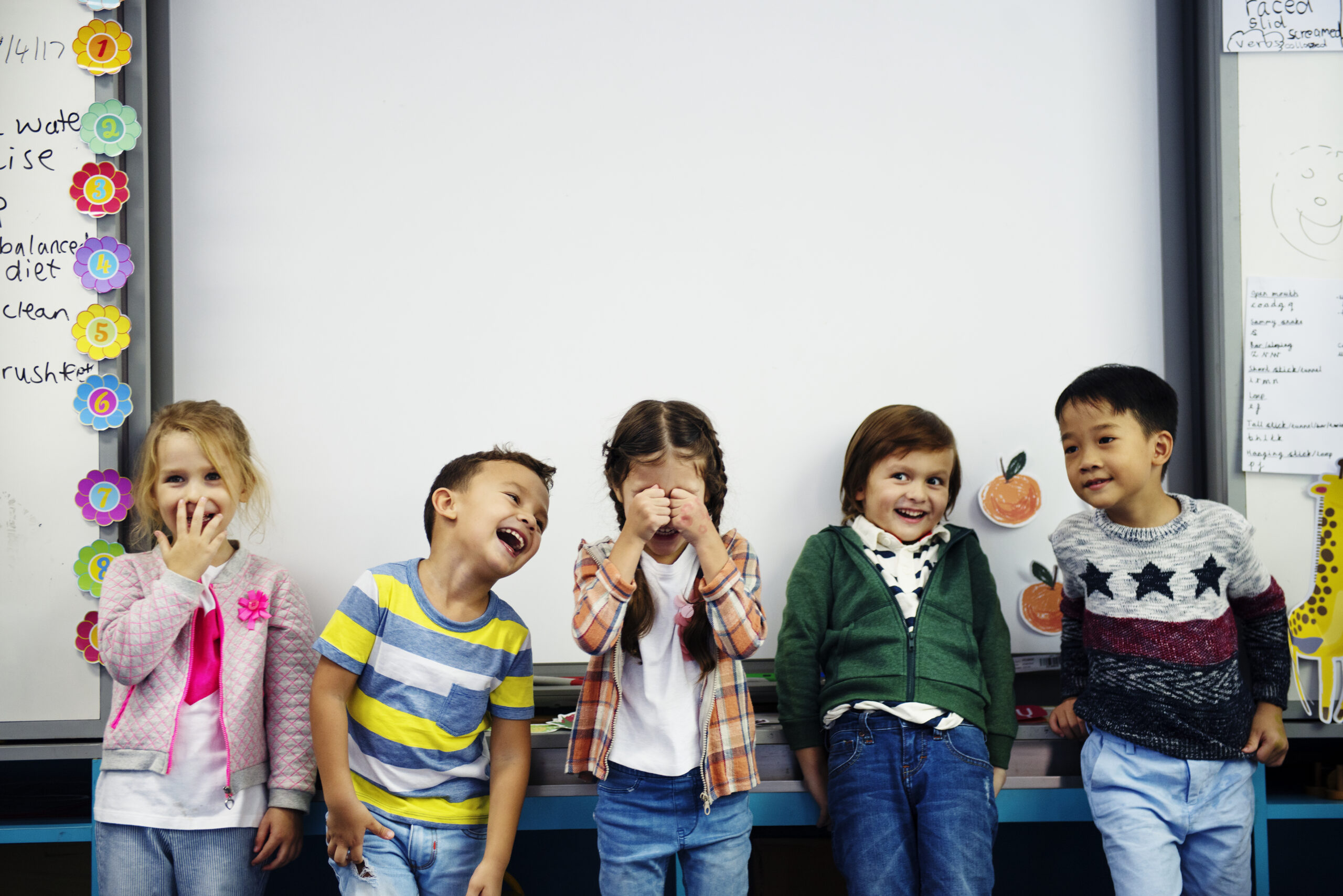
Families exploring programs at the KLA Schools learning center frequently encounter educational philosophies that balance intellectual instruction with emotional development. This balance reflects growing awareness that learning does not happen in isolation. Children bring feelings, social awareness, and self-regulation skills into every classroom experience, influencing how knowledge is absorbed and applied.
Emotional Foundations and Brain Development
During early childhood, the brain develops rapidly, especially areas responsible for emotional processing and decision making. Emotional experiences directly shape neural pathways that influence attention, memory, and problem-solving.
When children learn to identify emotions and manage responses, their brains become more adaptable. This flexibility supports learning across all academic areas. Emotional awareness strengthens cognitive function rather than competing with it.
Learning Readiness Begins With Emotional Safety
Children learn best when they feel safe and understood. Emotional security creates a mental environment where curiosity thrives. Without this sense of safety, stress responses interfere with concentration and memory formation.
Classrooms that prioritize emotional well-being foster trust between educators and students. Children who feel supported are more willing to take risks, ask questions, and persist through challenges. These behaviors are essential for academic growth.
Self-Regulation as an Academic Skill
Self-regulation refers to the ability to manage emotions, behavior, and attention. In early learning settings, self-regulation directly affects classroom participation. Children who can wait their turn, follow instructions, and cope with frustration engage more effectively with lessons.
These skills do not develop automatically. They require guidance, modeling, and practice. When emotional development is intentionally supported, children gain tools that help them succeed academically and socially.
Social Emotional Skills and Peer Learning
Learning is a social process. Group activities, collaborative play, and shared problem-solving all depend on emotional competence. Children must recognize emotions in themselves and others to cooperate effectively.
Strong social-emotional skills reduce conflicts and improve communication. Children who understand empathy and respect boundaries build positive relationships that enhance group learning experiences. Academic instruction becomes more meaningful within this social context.
Emotional Literacy and Language Development
Emotional literacy involves recognizing, naming, and expressing feelings appropriately. This skill supports language development by expanding vocabulary and improving communication clarity.
Children who can articulate emotions are better equipped to express needs and ask for help. This clarity reduces frustration and supports classroom engagement. Emotional vocabulary also enhances storytelling, reading comprehension, and expressive language abilities.
Resilience and Problem-Solving Abilities
Resilience allows children to recover from setbacks and adapt to new situations. Early learning environments inevitably present challenges, from complex tasks to social disagreements. Emotional development equips children with strategies to manage these moments constructively.
Resilient children approach problems with persistence rather than avoidance. This mindset supports academic success by encouraging effort and adaptability. Emotional strength becomes a driving force behind intellectual growth.
Educator Influence on Emotional Growth
Teachers play a central role in modeling emotional behavior. Through tone, responses, and classroom practices, educators demonstrate how to manage stress, resolve conflict, and show empathy.
Intentional emotional instruction includes validating feelings, teaching coping strategies, and guiding children through social situations. These practices create classrooms where emotional development supports academic learning rather than distracting from it.
Family Partnerships and Emotional Consistency
Emotional development is strengthened when families and educators work together. Consistent expectations across home and school environments reinforce emotional learning.
Open communication helps adults respond to individual needs and celebrate progress. When children experience alignment between caregivers and teachers, emotional security deepens, supporting learning in all areas.
Long-Term Academic Impact of Emotional Skills
Research consistently shows that emotional competence predicts academic achievement. Children who manage emotions effectively demonstrate stronger attention spans, improved memory, and better classroom behavior.
These benefits extend beyond early learning. Emotional skills established during preschool years influence future academic performance, relationships, and overall well-being. Early investment in emotional development yields long-lasting returns.
Balancing Achievement and Emotional Health
Academic instruction becomes most effective when paired with emotional support. Pushing cognitive skills without addressing emotional needs creates an imbalance. Children require both to thrive.
Balanced early learning environments recognize that emotional development fuels curiosity, persistence, and confidence. These traits sustain learning far beyond worksheets and assessments.
Where Whole Child Learning Takes Shape
Emotional development deserves equal priority alongside academic instruction in early learning. When children understand emotions, manage challenges, and build strong relationships, they approach education with confidence and enthusiasm. This foundation supports meaningful learning experiences that extend well into the future.