Why Baking Soda Isn’t Enough: The Science Behind Effective Household Cleaning
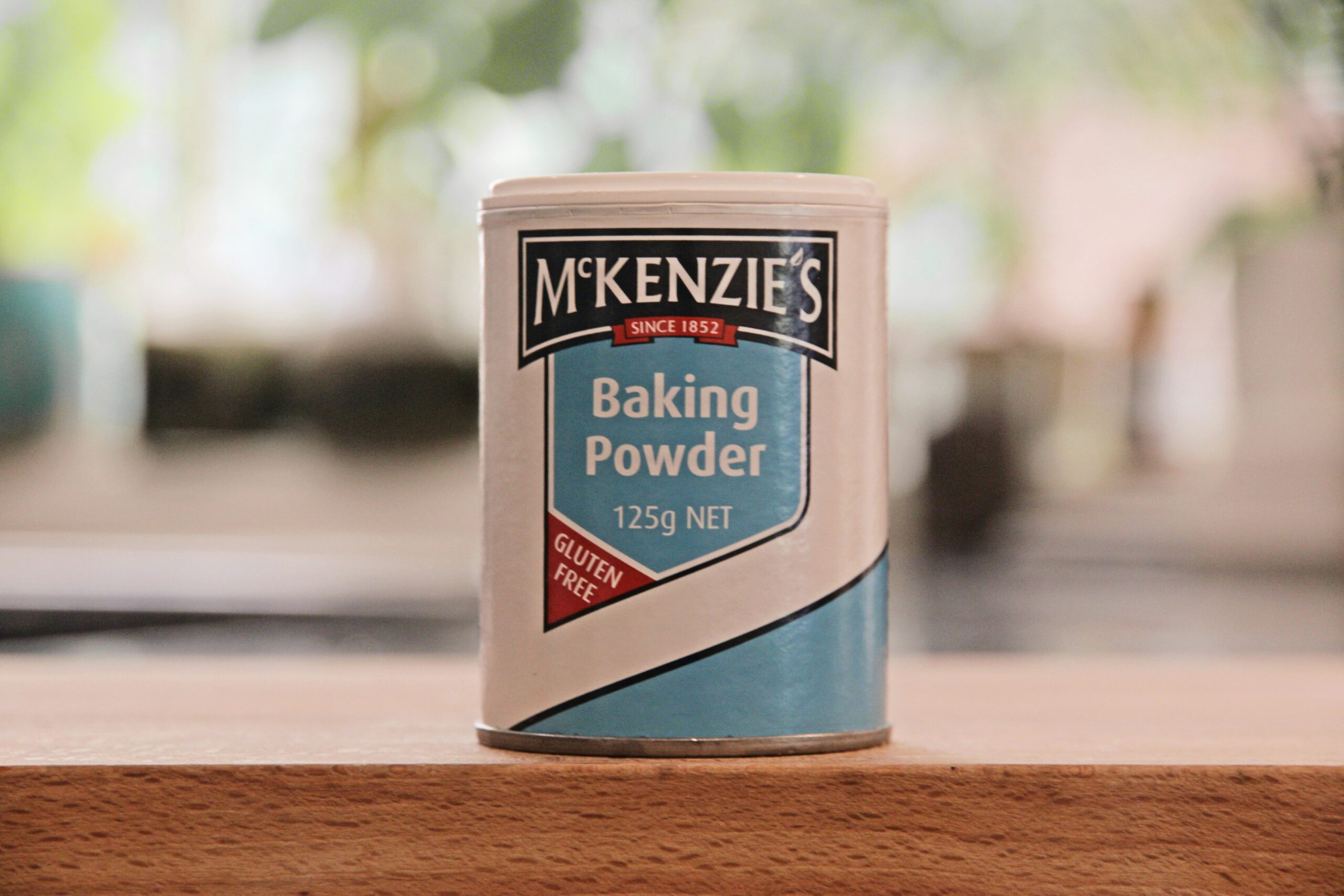
Baking soda sits on the shelf of nearly every busy household. It’s cheap, non-toxic, and the internet promises it fixes everything from carpet stains to oven grime. But here’s the uncomfortable truth: baking soda alone solves only a narrow slice of real household cleaning problems, and using it as your primary cleaning strategy actually wastes your time and leaves dirt behind. Understanding what baking soda can and cannot do, and knowing when to reach for other proven solutions, is the difference between cleaning that looks good and cleaning that actually works.
Key Takeaways
- Baking soda is a gentle abrasive and mild deodorizer, but it cannot dissolve grease, kill bacteria on non-porous surfaces, or remove set-in stains.
- Different household cleaning challenges require different chemical solutions; one ingredient cannot address them all effectively.
- Combining baking soda with acidic agents (like vinegar) creates short-term fizzing action but leaves no lasting cleaning residue on most surfaces.
- Professional cleaners rotate between multiple cleaning agents based on surface type and the specific problem at hand.
- Busy families save time and stress by using the right tool for each job rather than improvising with one catch-all ingredient.
Why It Matters
Busy moms and families spend hours each week cleaning, and a significant chunk of that time is wasted on methods that don’t actually work. When you scrub a greasy stove with baking soda for fifteen minutes and the grease still beads up, you’re not being inefficient; you’re using a tool that was never designed for that job. The science is straightforward: baking soda is alkaline and abrasive, which makes it excellent for deodorizing and gently polishing surfaces. But it cannot break down lipids (fats and oils), which is exactly what grease is. No amount of elbow grease changes that chemistry.
The real cost of single-ingredient cleaning isn’t just wasted time. It’s the stress of looking at a “clean” home that still harbors bacteria, dust mites, and allergens. It’s spending money on ingredients that don’t solve your actual problems. And it’s the guilt that follows when you realize your DIY approach isn’t working and you wonder if you’re just not cleaning hard enough. The team at Sweetly Clean has developed an evidence-based approach to borax and other multi-purpose cleaning agents that highlights exactly this point: the most effective household cleaning strategies use different agents for different jobs, not one solution for everything.
What Baking Soda Actually Does Well
Deodorizing and odor absorption
Baking soda (sodium bicarbonate) is genuinely excellent at absorbing odors rather than masking them. This is why sprinkling it on carpets before vacuuming actually works; the powder enters fabric fibers and neutralizes smell molecules. It’s also why baking soda in the refrigerator works over time (though it takes days, not hours). For this specific purpose, baking soda has no cheap competitor. If your goal is odor control, baking soda is legitimately the right choice.
Gentle surface polishing
Baking soda is a mild abrasive, meaning its particles are hard enough to polish away light, surface-level marks without scratching most finishes. This makes it safe for use on stainless steel, tile, and porcelain. You can rub it on a dull faucet or a cloudy glass surface and see a real improvement. The catch: this only works on surface grime, not embedded dirt or tough stains.
pH buffering in water
Baking soda raises the pH of water, making it slightly alkaline. In hard water areas, this can help detergents work a bit more effectively. But on its own, this buffering action does not clean anything; it only modestly improves the environment for actual cleaning agents to work.
Where Baking Soda Fails
Grease and oil removal
This is the biggest gap. Grease is hydrophobic, meaning it actively repels water. Baking soda is water-soluble and has no lipid-breaking properties. No matter how fine the powder, how long you scrub, or how much heat you apply, baking soda cannot dissolve fats. This is why your stovetop never gets truly clean with baking soda alone. You need a surfactant or alkaline degreaser that can break the bonds holding oil molecules together. This is fundamental chemistry, not a matter of technique.
Bacteria and pathogen control
Baking soda does not kill bacteria or viruses on non-porous surfaces like countertops and bathroom tiles. It can reduce odors caused by bacterial growth, but it does not disinfect. If you have a bathroom with mold or mildew, baking soda will not prevent regrowth; you need a product with antimicrobial action. For food-contact surfaces and areas where hygiene matters, this distinction is critical.
Set-in stains and discoloration
Baking soda cannot lift color from carpet fibers or fabric once a stain has had time to set. The chemistry required for stain removal depends on the type of stain (protein-based, tannin-based, oil-based) and the fiber type. A protein stain on wool requires a completely different approach than a tea stain on cotton. Baking soda might loosen surface dirt, but it cannot reverse chemical bonding that has occurred over time.
The Baking Soda and Vinegar Myth
You’ve seen the viral videos: pour vinegar over baking soda, watch it fizz dramatically, and supposedly everything gets clean. The fizzing reaction is real chemistry. Vinegar (acidic) reacts with baking soda (alkaline) to produce carbon dioxide gas, water, and a salt. The fizzing action can dislodge loose debris in drains or loosen stuck-on food. But here’s the problem: after the reaction, you’re left with salt water and a small amount of carbon dioxide gas. Neither of these has meaningful cleaning power on surfaces. The reaction is dramatic but not functional for real cleaning. This is why drain fizzing works slightly better than nothing, but professional drain cleaners use stronger alkaline or enzymatic agents that actually dissolve buildup rather than just creating bubbles.
What Professional Cleaners Know That DIY Routines Miss
Professional cleaning services succeed not because cleaners work harder, but because they match the cleaning agent to the specific job. A professional tackles a greasy range hood with a degreaser, a soap-scum covered shower with an acidic cleaner, and a urine-soiled mattress with an enzymatic cleaner. They understand that cleaning is chemistry, not willpower.
They also understand surface safety. Some cleaning agents that work on tile will ruin wood. Some products that kill mold will damage grout. A professional knows which agent is safe for which surface and how long it should sit before scrubbing. This knowledge prevents damage that DIY cleaners accidentally cause by using the wrong product on the wrong surface.
A Practical Example: Why Your Bathroom Stays Grimy
Let’s say you clean your bathroom twice a week with baking soda and vinegar. You scrub the shower walls, the tub, and the tile floor. Everything looks clean for a day. By day three, you notice soap scum is already visible on the tile, and the tub has a slight film. You think you’re not scrubbing hard enough, so next time you scrub longer.
What’s actually happening: baking soda and vinegar removed visible dirt and soap residue, but they did not remove the mineral deposits in your water that cause soap scum buildup, nor did they address the biofilm forming from mold spores and bacteria. An acidic bathroom cleaner actually dissolves mineral deposits; baking soda cannot. An antimicrobial cleaner slows biofilm formation; baking soda does not. By day three, the same chemical and biological processes that caused the original buildup are already rebuilding.
A professional cleaner in your bathroom would use a product formulated to dissolve mineral deposits and another to suppress mold growth. The cleanup would be more effective, and the results would last longer. Not because they scrubbed harder, but because they used the right chemistry.
When Multiple Cleaning Agents Actually Save Time
This might seem counterintuitive: using more products sounds like more work. But in practice, the opposite is true. If you spend ten minutes scrubbing a greasy stovetop with baking soda and then realize it’s not working and you need to switch products, you’ve wasted ten minutes. If you grab the right degreaser from the start and it works in three minutes, you’ve saved seven minutes and the result is actually clean. Over a week of household cleaning, using the right agent for each job saves hours and reduces frustration.
The key is organization. Know which products work for which problems: a degreaser for the kitchen, an acidic cleaner for bathrooms, an enzymatic cleaner for protein stains, and yes, baking soda for odors and gentle polishing. Store them together so you grab the right one without searching.
Actionable Takeaways
- Stop treating baking soda as an all-purpose cleaner. Use it only for what it actually does well: odor absorption and gentle surface polishing.
- Stock your cleaning cabinet with products designed for specific problems: a degreaser for kitchen grease, an acidic cleaner for mineral deposits and soap scum, and an enzymatic cleaner for organic stains like pet accidents or food spills.
- Read the product label to understand what problem each cleaner solves. This takes two minutes and prevents wasted scrubbing time.
- Test any new cleaner on a hidden area first, especially on porous or delicate surfaces like stone, wood, or antique finishes.
- Accept that “cleaning harder” is not a substitute for “cleaning smarter.” If something isn’t working after two minutes of effort, the tool is wrong, not your technique.
- For household areas where bacteria and mold thrive (bathrooms, kitchens, areas with moisture), use products with antimicrobial action at least once per month. Baking soda does not provide this.
Conclusion
Baking soda is a useful cleaning tool, but it is not a cleaning solution. The myth that one cheap ingredient can handle every household cleaning challenge wastes your time and leaves your home less clean than you think. Effective cleaning requires matching the right chemical to the right problem. This is not complicated or expensive; it simply requires understanding what different cleaning agents actually do. Your bathroom will stay cleaner, your kitchen will actually be grease-free, and you’ll spend significantly less time scrubbing if you move beyond the baking soda myth and use products designed to solve specific cleaning chemistry.
FAQ
Is baking soda safe to use on all surfaces?
Baking soda is gentle enough for most surfaces, but it is abrasive and can scratch softer finishes like acrylic tubs, polished marble, or certain aluminum fixtures if you scrub aggressively. Always test on a hidden area first, and use light pressure rather than scrubbing hard. On sealed surfaces like tile and stainless steel, baking soda is generally safe.
Why do people swear by the baking soda and vinegar cleaning method if it doesn’t work?
The fizzing reaction is satisfying and feels powerful, which creates the impression of cleaning happening. The mixture does loosen some loose debris and can help with certain drain clogs through mechanical action. But the leftover residue has minimal cleaning chemistry, so the results don’t last. People often perceive the method as working because they clean more thoroughly when using it (scrubbing harder, letting it sit longer), not because the reaction itself is uniquely effective.
Can you use baking soda for laundry stains?
Baking soda can help deodorize laundry and may loosen very fresh, wet stains if applied immediately. But for set-in stains, it is not effective on its own. You need a stain-specific product: an enzymatic cleaner for protein stains like blood or grass, an oxygenated cleaner for tannin stains like tea or wine, or a solvent for oil-based stains. Applying baking soda to a old stain and hoping will not remove the stain; you need the right chemistry.
How often should you replace cleaning products to avoid buildup of product residue?
Cleaning product residue buildup is usually not the issue with most commercial cleaners; they are formulated to rinse away. The bigger issue is using products that don’t actually solve your problem, so you have to re-clean the same area repeatedly. If you are using the right product for the right job, standard rinsing prevents meaningful buildup. Replacing products is more about ensuring you have what you need than preventing residue problems.
Is it cheaper to use baking soda than to buy multiple cleaning products?
Yes, baking soda costs less per box. But if you spend twice as long cleaning and the results don’t last as long, the time cost erases the money savings. A bottle of effective degreaser, acidic cleaner, and enzymatic cleaner together costs under 30 dollars and lasts for weeks or months of household cleaning. The time you save using the right products is worth far more than the few dollars you might save by using only baking soda.
What should you do if a cleaning product doesn’t work on a specific stain or surface?
Stop using it and switch to a different product designed for that specific problem. Scrubbing harder or using more of the same ineffective product will not change the outcome. Think about what the stain or buildup actually is (grease, mineral deposits, mold, protein), then choose a product designed to dissolve or address that specific substance. If you are unsure, ask a professional cleaner what they would recommend, or read product labels to find one matching your specific problem.