When Is Knee Replacement the Right Choice for Chronic Knee Pain?
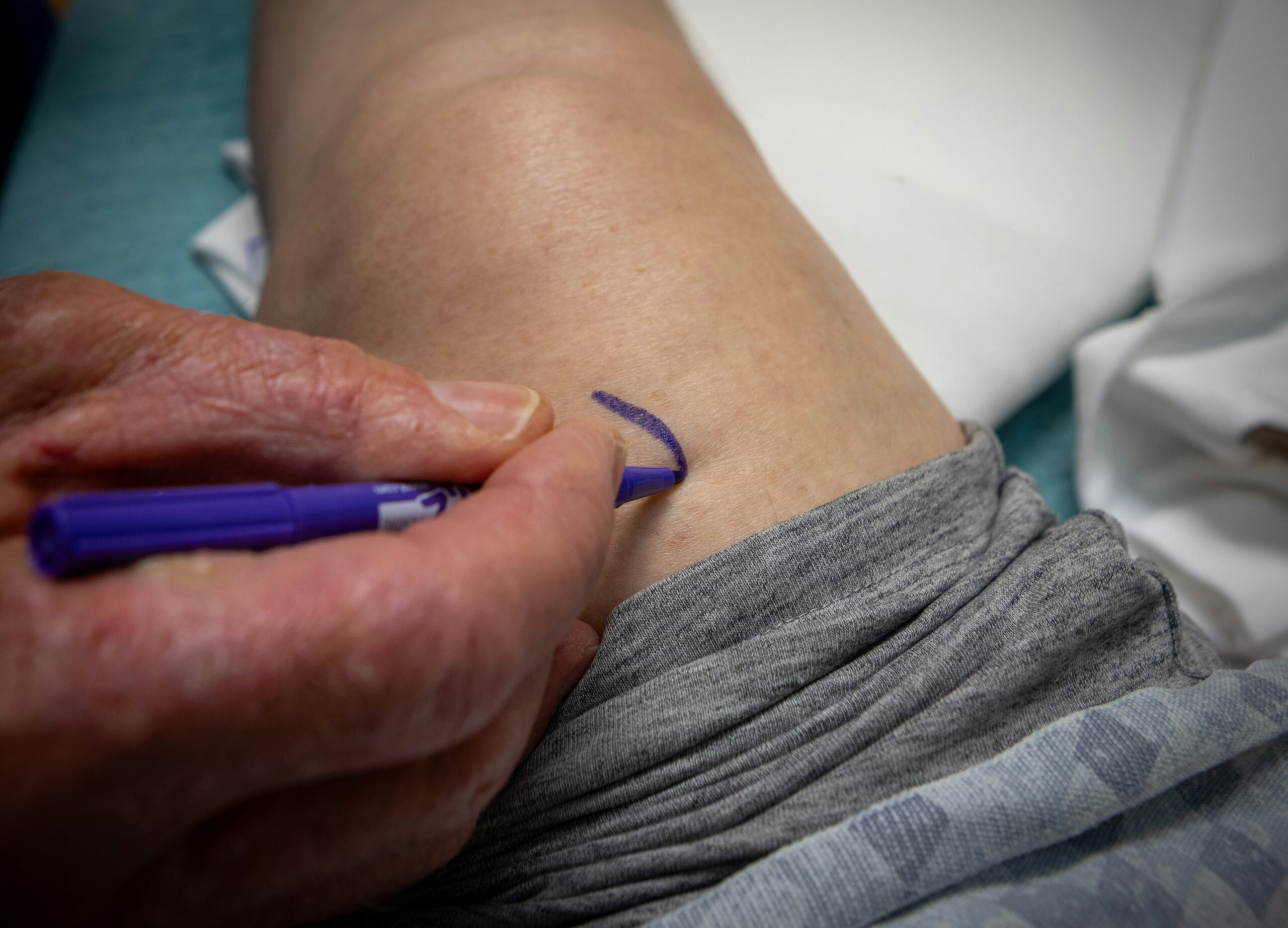 With busy schedules and increasingly sedentary lifestyles, it’s easy for joint discomfort—especially knee pain—to become part of everyday life. Many people spend long hours sitting, commuting, or working at desks, only to notice stiffness and aching when they finally get up and move. At first, it feels minor, so it’s often ignored or managed with quick fixes.
In a fast-paced, car-dependent city like Los Angeles, these habits are common, and knee pain can quietly worsen over time without much attention. As the discomfort builds, simple activities like walking, climbing stairs, or even standing for long periods may start to feel challenging, which is often the point when people begin to consider knee replacement surgery as a real option.
So, without further ado, we’ll look at when chronic knee pain becomes more than just a nuisance—and when replacement may be the right step toward lasting relief.
Understanding the Causes of Chronic Knee Pain
Chronic knee pain usually develops gradually, especially when arthritis is involved. Osteoarthritis, the most common cause, occurs when the protective cartilage in the joint wears down over time. As the cartilage thins, bones begin to rub against each other, leading to pain, stiffness, and inflammation.
Other causes include rheumatoid arthritis, previous injuries, or long-term strain from repetitive movements. Even an old sports injury or untreated ligament tear can eventually lead to degenerative joint changes. Over time, this discomfort interferes with daily activities.
Most patients don’t move straight to surgery. Doctors typically recommend conservative treatments first, especially in the early stages of joint damage. Physical therapy is often the starting point, focusing on strengthening the muscles around the knee to reduce pressure on the joint.
Anti-inflammatory medications may be prescribed to manage swelling and discomfort. For some individuals, these treatments are effective for years. But for others, the relief is temporary, and symptoms gradually return or worsen.
When Doctors Begin to Recommend Knee Replacement
Doctors usually begin recommending surgery when imaging shows severe joint damage, especially bone-on-bone arthritis. At this stage, the protective cartilage has largely worn away, and conservative treatments no longer provide relief.
Patients considering options like total knee replacement in Los Angeles often do so after years of unsuccessful treatments and increasing discomfort. At Nanoknee, the procedure is designed for people with advanced arthritis or joint injury who want lasting relief along with a faster, more active recovery. The approach focuses on preserving healthy muscles and soft tissue, using custom 3D modeling to create a more precise and natural fit.
Advanced implants are engineered to replicate natural motion and stability, helping patients regain strength, flexibility, and long-term mobility. This stage isn’t just about X-rays or MRI findings. It’s about quality of life.
What Knee Replacement Surgery Involves
Knee replacement surgery replaces the damaged joint surfaces with artificial components designed to mimic natural movement. Depending on the extent of the damage, doctors may recommend a partial or total replacement.
Modern techniques focus on preserving as much healthy tissue as possible. In certain advanced procedures, surgeons can resurface damaged areas while sparing important ligaments, thereby helping maintain a more natural feel and range of motion.
The goal is simple: reduce pain, restore movement, and help patients return to the activities they enjoy.
Who Makes a Good Candidate
There’s no single “perfect” age for knee replacement. Some patients need it in their 50s, while others wait until their 70s or later. The decision depends more on symptoms, joint damage, and overall health than on age alone.
Good candidates typically have:
- Severe arthritis or joint damage
- Persistent pain that limits daily activities
- Little or no relief from non-surgical treatments
- Realistic expectations about recovery and results
Active individuals who want to maintain mobility often benefit significantly from the procedure.
Expected Recovery and Long-Term Outcomes
Recovery timelines vary, but most patients begin walking with assistance shortly after surgery. Modern outpatient techniques allow many patients to return home the same day rather than remain hospitalized.
Physical therapy plays a major role in regaining strength and flexibility. Over several weeks or months, mobility improves, and pain typically decreases significantly.
Questions to Ask Before Choosing Knee Replacement
Before moving forward, it’s important to ask practical questions, such as:
- What type of replacement is recommended?
- How long will recovery take?
- What activities will be possible afterward?
- How experienced is the surgeon with this procedure?
These conversations help set realistic expectations and ensure the treatment plan aligns with the patient’s lifestyle and goals.
Conclusion
Knee replacement isn’t defined by a specific age or single symptom. It becomes the right choice when pain interferes with daily life, conservative treatments no longer help, and imaging confirms significant joint damage. With modern techniques and individualized care, this treatment is no longer just a last resort. It’s often the step that restores an active, fulfilling lifestyle.