What People Should Know About Living With Narcolepsy
 There are many diseases and disorders out there that we don’t know much about and others that we have never even heard of. However, it’s important to be knowledgeable about certain conditions that can affect the people you meet along the way. This will help you understand them better and accommodate their needs. Sleep disorders, such as narcolepsy, are very common, and yet, very few people have enough information about them. Here is a comprehensive guide on everything you need to know about narcolepsy.
What is Narcolepsy?
Narcolepsy is a rare, chronic sleep disorder that is characterized by overpowering tiredness and extreme sleepiness. Severe cases may be accompanied by episodes of cataplexy – a partial or complete loss of muscle control. The disorder can be extremely dangerous because the patient can experience cataplexy anytime, anywhere, while engaging in daily activities. Even though it may sometimes take years to finally diagnose it, it usually starts showing in childhood or early adolescence.
Types of Narcolepsy
There are two main types of narcolepsy; one with Cataplexy and the other is without. Other than the usual symptoms of the disorder, patients that have narcolepsy with Cataplexy suffer from episodes of weakness or total loss of muscle control that is triggered by emotion. This causes them to have a sagging jaw, slurred speech, and inability to move. On the other hand, patients of Narcolepsy without Cataplexy do not get these episodes, making it less severe and easier to control.
Narcolepsy Symptoms
The most prominent symptom of narcolepsy is an extreme urge to sleep during the day, but it is usually accompanied by other various symptoms. The most common are disrupted sleep during the night, vivid dreams, sleep paralysis, and hallucinations. The sleep experts over at https://sleepauthorities.com/ believe that while these symptoms can impact the patients’ daily lives, they can still be managed. The first step towards managing narcolepsy would be to educate yourself on the disorder itself to be able to find the best treatment approach.
Life With Narcolepsy
-
Education and Employment
Since narcolepsy has a major impact on attention span, memory, and concentration levels, things like school or employment present challenges to a narcolepsy patient. However, certain measures can be taken to make it easier and productive. When it comes to education, the school and teachers should be aware of the child’s diagnosis and work together to create a schedule that makes allowances when it comes to having extra time to finish tasks or exams as well as taking naps between classes. The same goes for a job; management and colleagues should be aware of the condition and make adjustments accordingly, like giving flexible hours or scheduled naps during the day.
-
Daily Activities
Narcolepsy has a significant impact on every activity, even as simple as walking. The most dangerous activities for narcolepsy patients are normal things like driving or cooking. Driving or operating any heavy machinery can be dangerous because patients could get a sleep attack, resulting in terrible accidents. However, some patients with less severe cases can still be able to drive safely if the concerned entity is sure that their condition is well-controlled.
-
Social Effects
This disorder is bound to affect the patient’s social life, especially due to memory issues, moodiness, and needing to take naps at unsuitable times. This impact, however, can be easily managed through communication and education. It’s important to talk to family and friends to explain the condition and how it affects the person while also explaining their own symptoms. This can help people around you know more about how to react properly in case of any issues.
-
Health-Related Habits
People living with narcolepsy have certain health habits they need to follow to keep their condition under control. They can’t have caffeine in the evenings so that it doesn’t contribute to disrupting their sleep. They should also avoid smoking and alcohol since they affect certain brain functions. It is also advised they keep a regular sleeping and waking schedule. When it comes to food, they should have their last meal several hours before their bedtime and avoid any late-night snacking.
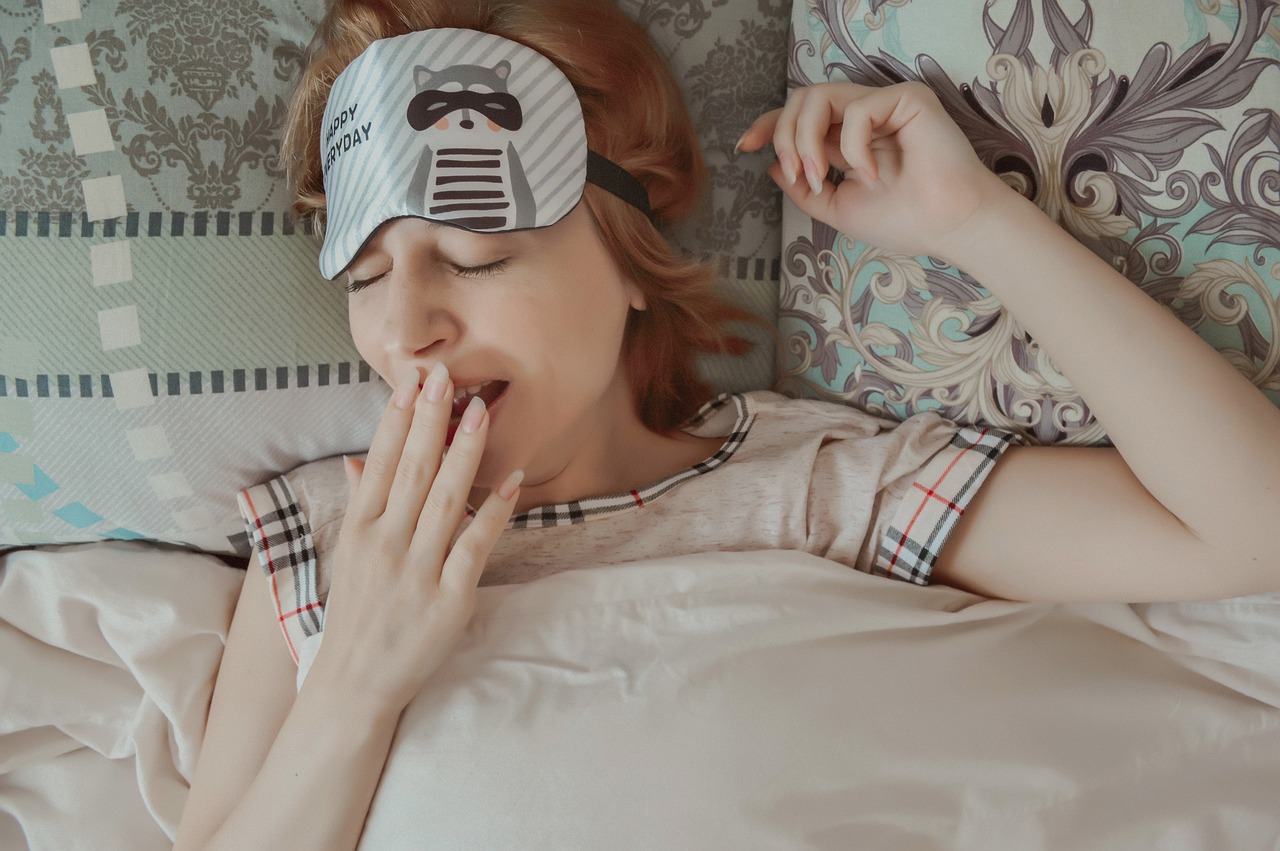 So, there you have it! This is pretty much everything you need to know about narcolepsy. Of course, there are other ways to educate yourself further, whether you are a patient yourself or know someone who is suffering from it. Although it is a complicated and overwhelming disorder to live with, knowledge can go a long way in making you feel safe and in control. The most important thing for someone living with narcolepsy is to have an open line of communication with their loved ones and associate themselves with those who offer support and flexibility in relationships to help them manage the challenges they may encounter along the way.