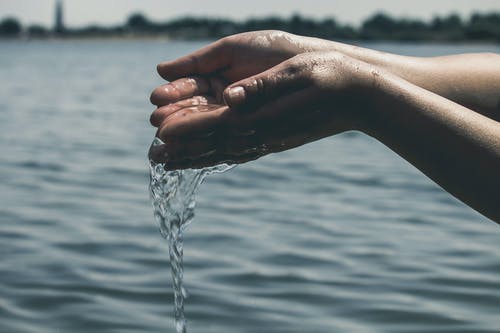
What Is The World Water Crisis and How Is It Impacting Children?
Water scarcity is often mixed up with apparent water availability, how can there be water shortages or a water crisis if three-quarters of the planet is covered in water?
Why is there a world water crisis if there is so much water globally?
It was the Ancient Mariner by Samuel Taylor Coleridge who coined that oft-quoted phrase, “water water everywhere, nor any drop to drink”. Much of the planet’s water is not available to those who need it most and what may be accessible is often unusable, dirty, unsafe and highly likely to cause illness and disease. Pictures speak louder than words. These striking water photos convey more powerfully than any written text the struggle and plight of those collecting water from contaminated water sources. What is perhaps most evident is the number of children these pictures portray.
A basic human right
In July 2010, the General Assembly of the United Nations formally recognised access to safe water as an unassailable human right. More specifically, it was enshrined that every human being has the right to sufficient water on a daily basis for personal and domestic use. This water must be safe and within 1,000 metres of the dwelling place. There are lots of initiatives aiming to bring clean water to children in developing countries.
The impact of the lack of water on children in the world’s poorest communities
It tends to be the women and children, most often girls, who are forced to trek for hours each day to collect water that is frequently undrinkable. Diseases from dirty water range from Diarrhoea and cholera, dysentery and typhoid. Diarrhoea itself kills over one million children every year under the age of five.
Water is heavy and young children struggle to carry weights of often a gallon or more on their heads for many miles. This damages their developing skeletal frame. Long, often unaccompanied journeys mean these children are at risk from predators of all types, both wild animals and manmade dangers.
Malnutrition in developing countries has many triggers including an absence of safe drinking water. UNICEF works tirelessly across more than 100 countries responding to a lack of safe water supply whatever the cause.
 Educational deprivation
Millions of school hours are lost to children and young people who have to make the daily trek to collect water. Offering clean water to a community at a safe central water station allows these children the freedom to go to school, to learn and develop, hopefully ensuring brighter futures. Indeed, education is a key objective of sponsor a child programmes, and is a vital component to break the cycle of poverty.
Water is often not even available in schools themselves. Lack of proper toilets and hand washing facilities discourages attendance, particularly amongst girls.
Education empowers those in poverty. It enables them to overcome poverty and in turn enrich their communities.
Safe water equals safe sanitation
Water is not just used to sustain life but for cleanliness and hygiene. Inadequate provision of water for sanitation is just as relevant to the outbreak and spread of disease and the subsequent risk to human health as the paucity of clean drinking water. Lack of sanitation in communities and in schools affects toilet habits and girls who are menstruating. Ensuring a supply of clean water is a major step forward to the prevention of disease and the sustainability of education for both genders but girls in particular.
The bigger picture
Adequate provision of water is one of the key priorities for environmentalists. The supply and management of water is part of a global ecosystem. Never have there been so many agricultural and commercial demands on the earth’s water supply than in the 21st century.
Clean water doesn’t just mean freedom from diseases. A local safe water source liberates children within the community from hours of back-breaking toil fetching and carrying water on a daily basis just to survive. These children can go to school, they can socialise and play together rather than just fighting to survive.