What Happens to the Body After Childbirth—and How Women Address It
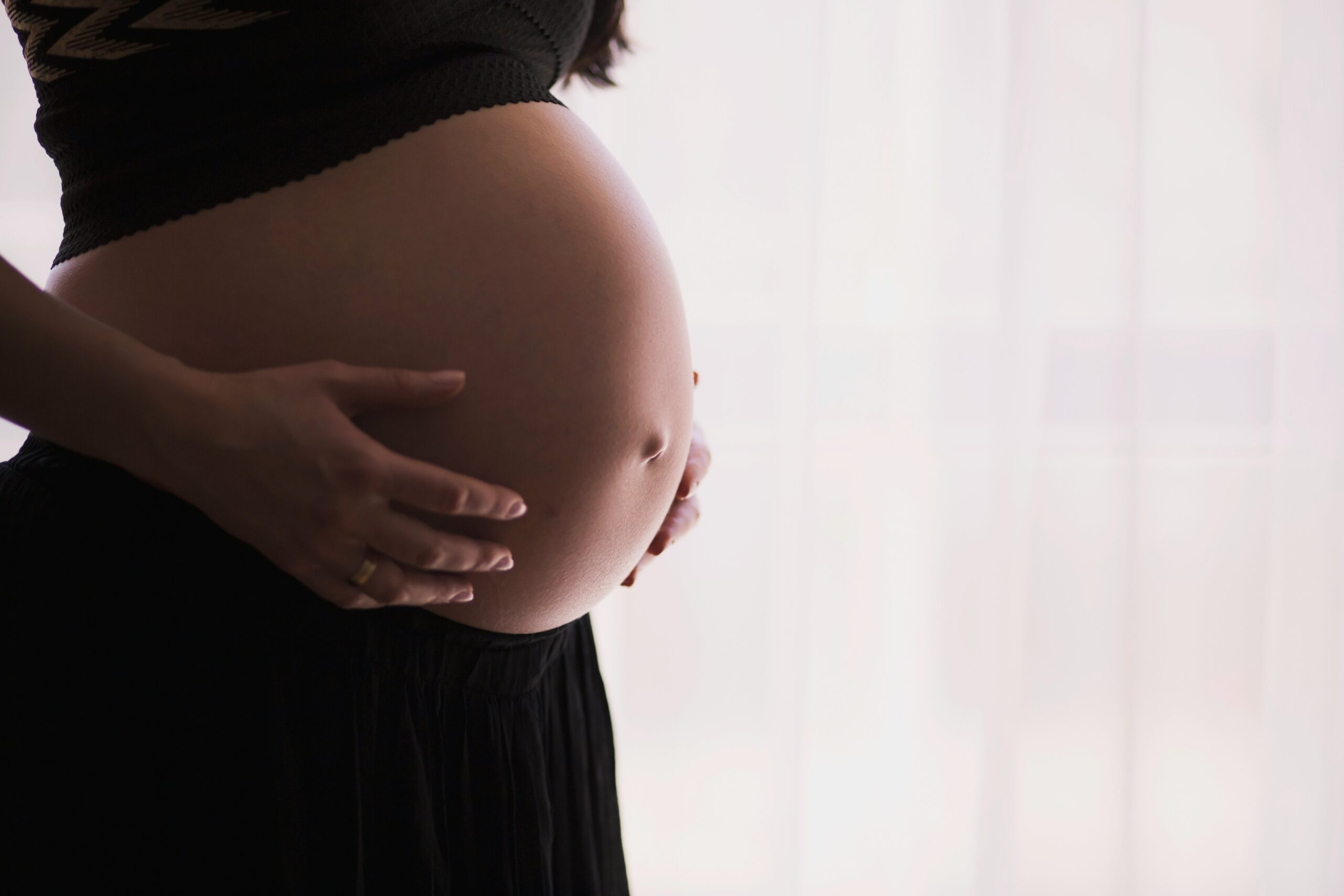 Childbirth brings profound changes to the body—many of which are rarely discussed openly. While pregnancy and delivery are often framed as temporary phases, the physical impact can extend long after recovery from labor itself. For many women in Toronto & beyond, these changes are not just cosmetic; they affect comfort, confidence, and day-to-day well-being.
Every postpartum journey is different. Some changes resolve naturally over time, while others remain and prompt women to seek answers, support, or treatment options. Understanding what commonly happens after childbirth—and how women choose to address it—helps normalize these experiences and removes unnecessary stigma.
On that note, below are some of the most common body changes women notice after childbirth and the approaches they often explore.
-
Changes in the Abdominal Area and Core Strength
One of the most visible postpartum changes occurs in the abdomen. During pregnancy, abdominal muscles stretch to accommodate the growing baby, and for some women, they don’t fully return to their pre-pregnancy position.
Common concerns include:
- A persistent lower belly pouch.
- Diastasis recti (separation of abdominal muscles).
- Reduced core strength and stability.
How women address it:
Many women begin with targeted postpartum exercise, physical therapy, and core-strengthening routines. These approaches can improve strength and function, especially in mild cases. However, when muscle separation or excess skin remains significant, some women explore medical consultations to understand long-term options that address structure rather than surface appearance alone.
The key focus here is often function as much as aesthetics—regaining stability, posture, and comfort.
-
Pelvic and Intimate Area Changes After Delivery
Childbirth—especially vaginal delivery—can lead to changes in the pelvic and intimate areas. These changes may include stretching, tissue laxity, or discomfort that persists well beyond the initial recovery period.
Women commonly notice:
- Altered sensation or discomfort.
- Changes in the appearance of the intimate tissue.
- Irritation during physical activity or intimacy.
How women address it:
Some women find improvement through pelvic floor therapy, which helps restore muscle control and support. Others, particularly when physical discomfort or aesthetic concerns persist, seek professional advice to understand their options. In addition to these physical changes, many women also experience a decrease in sexual desire after childbirth, which can sometimes be linked to hypoactive sexual desire disorder (HSDD).
This is where procedures such as labiaplasty in Toronto may be explored. Clinics like Studio Plastic Surgery provide consultations focused on comfort, function, and individual concerns—helping women understand whether such a procedure aligns with their needs rather than presenting it as a necessity.
Importantly, these conversations are often about restoring comfort and confidence, not meeting external standards.
-
Skin Elasticity and Tissue Changes
Hormonal shifts during and after pregnancy affect skin elasticity throughout the body. Areas such as the abdomen, thighs, breasts, and hips may develop stretch marks, loose skin, or changes in texture.
Common observations include:
- Skin that feels thinner or less firm.
- Stretch marks that fade but remain visible.
- Uneven skin tone or texture.
How women address it:
Many women start with skincare, hydration, and time—allowing the body to heal naturally. Over time, some explore non-invasive treatments aimed at improving skin quality or elasticity. When skin laxity becomes more pronounced, women may seek professional guidance to understand whether corrective treatments could help them feel more comfortable in their bodies.
The approach here is often gradual and thoughtful, guided by how the changes impact daily life rather than appearance alone.
-
Shifts in Body Confidence and Self-Perception
Beyond physical changes, childbirth often reshapes how women view their bodies. Even when recovery goes smoothly, the body may feel unfamiliar. Clothes fit differently, energy levels shift, and self-perception evolves.
Women may experience:
- Feeling disconnected from their pre-pregnancy body.
- Frustration with slow or uneven recovery.
- Mixed emotions about appearance and identity.
How women address it:
For many, addressing postpartum body changes starts with self-compassion and realistic expectations. Some find confidence through fitness, wardrobe changes, or lifestyle adjustments. Others choose to explore medical or cosmetic options—not to “undo” childbirth, but to feel more like themselves again.
Supportive consultations, clear information, and personal choice play a crucial role in this process. The goal is alignment—between how women feel internally and how they experience their bodies externally.
To Sum It All Up!
Childbirth changes the body in lasting ways, and those changes are deeply personal. From abdominal and pelvic shifts to skin changes and evolving self-confidence, there is no single postpartum experience—and no single way to address it.
What matters most is that women feel informed, supported, and free to make choices that suit their comfort and well-being. Whether that means time, therapy, lifestyle changes, or medical consultation, postpartum recovery is not about comparison—it’s about care.
When women are given space to understand their bodies without judgment, healing becomes not just physical, but empowering.