Weather-Proof Your Rental: Keep Your Property Safe and Tenants Happy

Your rental property will be at risk of a variety of severe weather conditions and seasonal fluctuations all year long. Weatherproofing your rental property can prevent costly damage and keep your tenants safe.
When you take the time to prepare your rental property for each season with some strategic upgrades, you reduce the cost of repairs and avoid vacant rentals that cause you stress.
Read this guide as we have included the most important tasks that will help protect your rental property year-round, so it is in the best shape possible and attractive to potential renters.
Preparing Your Property for Seasonal Changes
Seasonal maintenance prevents costly repairs and helps keep your rental properties in good condition. Here are some seasonal tasks to focus on for each season:
Spring: Focus on Revitalization and Inspection
During the spring, it is a good idea to revitalize your lawn and outdoor living spaces. Once thawed, aerate and fertilize your lawn to promote healthy growth.
Also, inspect your deck, patio, or fence for damage that occurred over the winter months. Sand and apply a sealant to wood surfaces to help protect against damage. It is also a good time to check your irrigation system to ensure it is functioning correctly prior to the hot summer months.
Summer: Prioritize Efficiency and Conservation
As summer heat increases, so does the need for your cooling system to perform well. Consider having your HVAC professionally maintained to clean filters, check fluid levels, such as the coolant, and make sure it’s working efficiently.
By conserving water by checking for leaky faucets and turning on your sprinklers in the early morning to minimize evaporation, you’ll be able to keep your utility costs under control.
Fall: Prepare for Wind and Rain
In the fall, your focus should be on defense. It’s time to thoroughly clean your gutter and downspout systems of all debris that falls from trees during the fall to prevent clogs. These clogs could lead to costly water damage to your roof and walls.
Do a visual inspection of your roof or hire someone to inspect it for missing or damaged shingles. Additionally, turn off and drain your outdoor irrigation systems to prevent pipes from freezing and bursting.
Winter: Protect Against Cold and Moisture
The key to surviving until freezing temperatures arrive is keeping heat in and moisture from entering your home. Weatherstrip all of your window and door openings to eliminate drafts. In addition, insulate exposed pipes located in basement areas or crawl spaces that are at risk of freezing.
Develop a dependable method for removing snow and ice on driveways and sidewalks to provide a safe and clear path to and from your tenants’ homes. This will also protect you from potential lawsuits due to slip-and-fall accidents.
Protect Your Rental Against Extreme Weather: Practical Tips for Landlords
Extreme storms are happening with increasing frequency. Protecting your property through proactive measures will help prevent damage and provide you and your tenants with a higher level of comfort when it comes to your property’s safety.
Here are ways to protect your investment against extreme weather throughout the year:
-
Fortify Your Roof and Siding
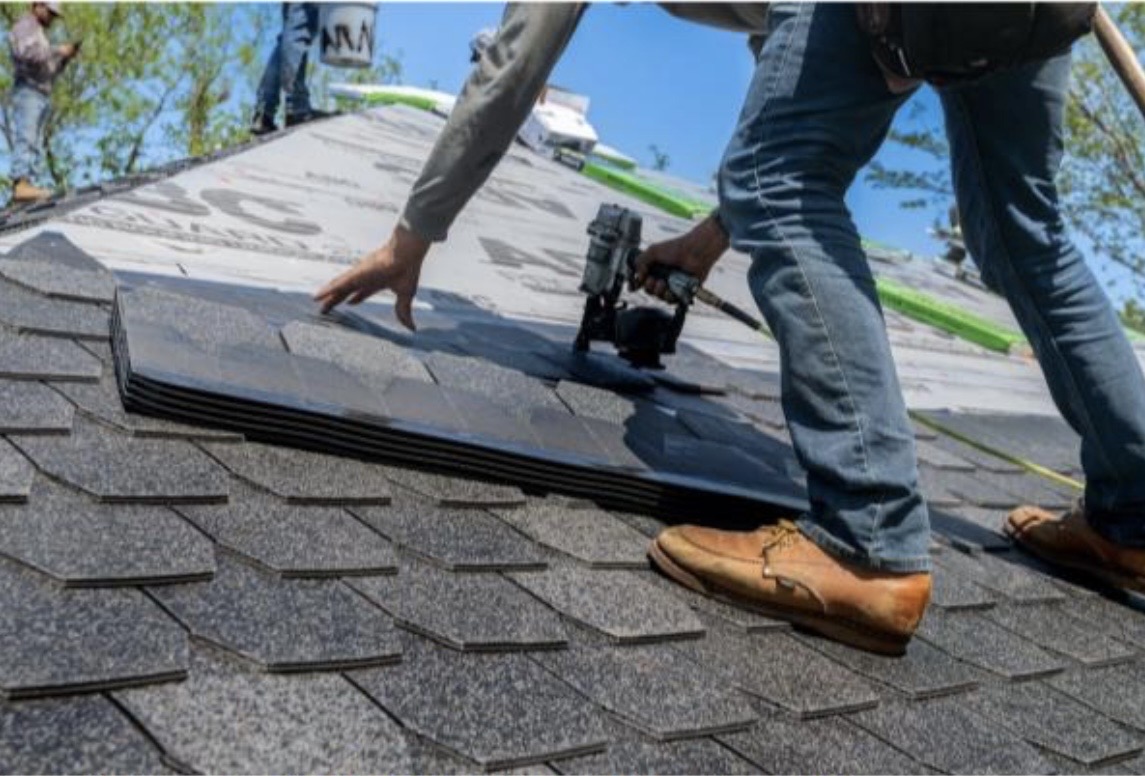
The roof is your first layer of protection. Look for missing shingles, cracks, and leaks after every big storm, or each year during your fall maintenance inspections. Check that all siding is properly secured.
If you live in an area where there is frequent wind or hail, consider using impact-resistant roofing products. Impact-resistant roofing products will protect against flying debris and other severe weather events.
When done effectively, this can improve comfort, help parents create the perfect sleeping environment for their child, and make working from home less stressful.
-
Install Impact-Resistant Windows and Doors
Windows and doors have been identified as weak areas in homes throughout the hurricane, tornado, and severe windstorm processes. Therefore, replacing traditional windows with impact-resistant windows would be a good way for you to protect your rental against extreme weather conditions.
Installing impact-resistant windows is a smart way to protect your rental against extreme weather storms. They preserve the structural integrity of the building envelope and prevent interior damage and water intrusion into the home.
-
Ensure Proper Drainage and Landscaping
Excessive water is one of the most common causes of weather-related damage. The area surrounding your building should be sloped downward to ensure that water runs away from the building.
In addition to ensuring that storm drains remain free-flowing, you should also trim tree limbs that may create additional risk by breaking loose and damaging your roof or siding during a high wind event.
-
Create a Tenant Communication Plan
Your tenants are your on-site help. Give your tenants a basic, easy-to-follow instruction manual that will tell them how to prepare their rental unit for extreme weather and who to call in case an emergency arises. Providing your tenants with this information can greatly limit the amount of damage that could have been prevented.
-
Leverage Professional Property Management
This responsibility will require continuous supervision. Using a professional property management company will ensure that this process is consistently followed in a timely manner.
Top professional property managers will ensure your property functions effectively. Clear financial reporting is a standard practice among top Northern Virginia property managers. You can expect prompt and meticulous financial assessments at the end of the day.
Simple Upgrades and Maintenance to Minimize Damage
Small changes can help prevent costly emergencies and weather-related damage. Consistent small improvements and regular maintenance are the best way to save money in the long run while enjoying the benefits of a safer home.
Here’s how to approach it:
Seal Gaps and Cracks Annually
Each year before winter, inspect and seal gaps around windows, doors, pipes, and foundation vents with a high-quality caulk or weatherproofing foam. Sealing cracks and crevices will stop drafts, keep moisture and animals out, and make your home more energy efficient. There is no other area that provides as much protection for less money than this area.
Install Gutter Guards
Clogged gutters lead to roof leaks and basement floods. The installation of gutter screens or gutter mesh will help prevent the accumulation of leaves and debris that clog gutters. This way, you can minimize the need to go up on your roof to perform cleaning. It also means that the water coming off your roof during a heavy storm will be directed away from your home.
Upgrade to Smart Home Devices
The cost of smart home devices has gone down significantly in recent years. Some examples include smart water leak detectors that can be placed under sinks, near water heaters, and even in a basement.
When moisture is detected by one of these devices, it sends an alert to your smartphone, so you can respond quickly to any potential flooding caused by a small leak.
Reinforce Doors and Garage Entries
Garage door tracks and seals will wear down over time, increasing vulnerability to wind damage. Get a professional to look at and reinforce both the garage door and the automated garage door opener.
Deadbolt locks should be secure for all exterior entrance doors, and the frame of each exterior entrance door should be correctly aligned to provide resistance against forced entry when strong winds occur during storms.
Schedule a Professional Annual Inspection
A thorough review is the most successful approach. A certified property manager can also assist with a yearly inspection of your entire property to ensure you have checked off everything on your annual maintenance list.
With a property manager providing a systematic evaluation with accompanying financial reports, as with top Northern Virginia property management companies, you will know you have thoroughly protected your asset.
Conclusion
Weather-proofing your rental property systematically will ensure that it retains its value in the marketplace and provides safe conditions for tenants.
Planning for seasonal variations and implementing both functional storm protection as well as making key upgrades to your rental property can greatly reduce potential damage risks and the cost of future repair work.