The end of year declutter mistakes
By Luke Pasifull, Operations Director, Skyward Skip Hire
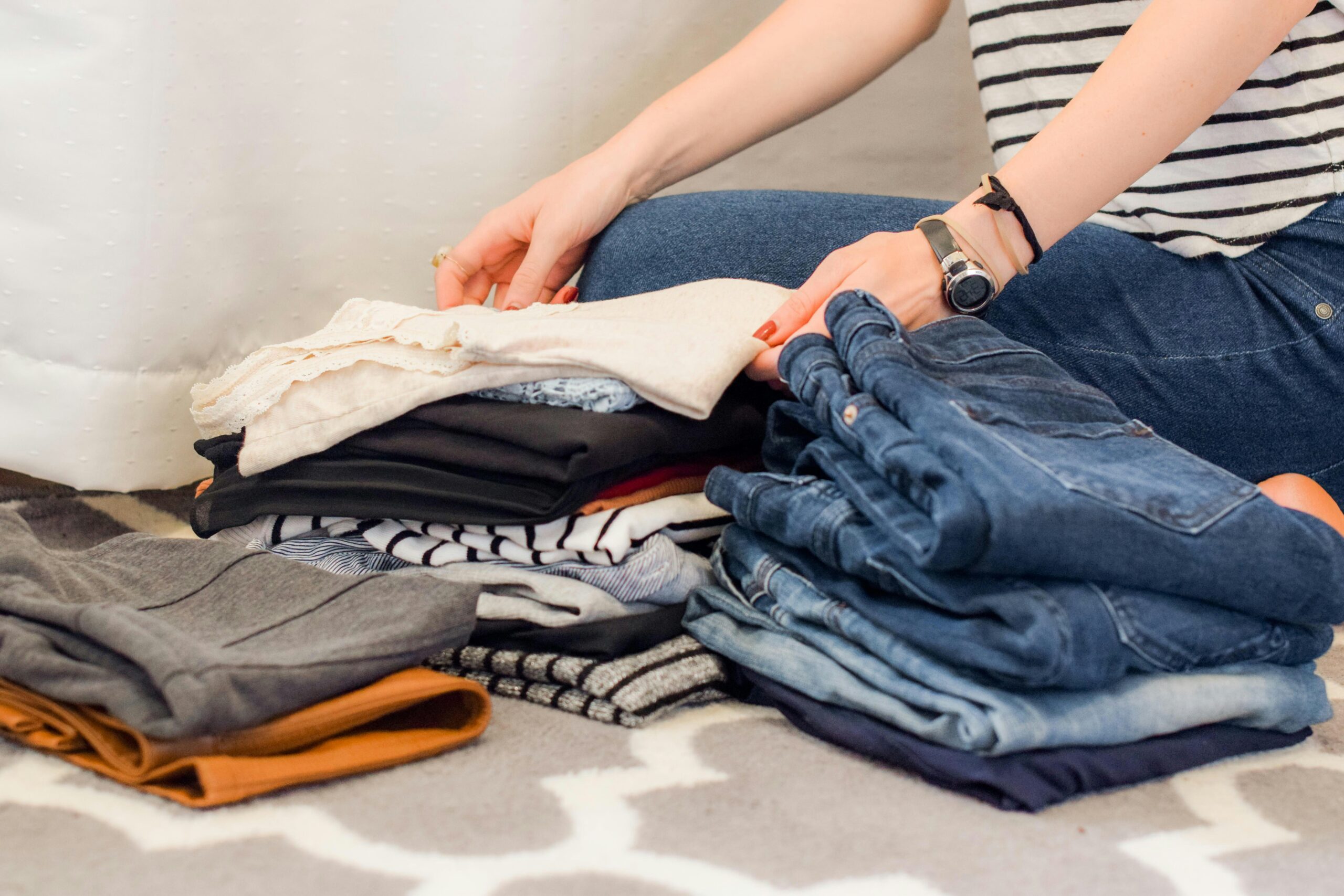
It feels early to be talking about the post Christmas clearout when the decorations aren’t even up yet, but the next few months have a habit of disappearing fast. One minute it’s October, the next the tree’s down, the wrapping paper’s in the recycling, and there’sa pile of new toys in the living room with nowhere to go until the old ones move out first.
New kit replaces old all over the house, not just in the kids’ rooms, and that, plus a few days at home over the holidays, is usually what turns the vague intention into an actual pile.
The problem isn’t the declutter itself, it’s what happens to the pile once it’s built. Stuff that could easily have been donated ends up binned instead. Stuff gets donated that was never really suitable and becomes someone else’s problem to deal with. And stuff goes into the general skip or bin when it actually needed a completely different route. All three come down to the same thing, not knowing until the pile’s already there which bucket something actually belongs in.
Don’t bin what could be donated
The kids’ rooms are the best place to start. Outgrown toys, books and clothes are the easiest things to pass on, and it works better when the kids pick them out themselves rather than having things cleared while they’re at school. Knowing another family will get some use out of them gives the clearout a purpose beyond making space.
Donation acceptance varies though, especially for baby equipment and electrical items, so good condition alone isn’t always enough. Check that toys are complete and usable, and ask before donating baby equipment rather than assuming the charity or baby bank can take it. Barnardo’s, for example, doesn’t accept baby walkers or bouncers regardless of condition. It’s also worth looking for something more direct, like a school uniform swap, a baby bank or a local giveaway group, which tends to feel more rewarding for everyone than a general drop off.
Furniture can usually be donated too, but it’s worth checking with the charity before committing to a trip. Upholstered pieces such as sofas, armchairs, fabric dining chairs and sometimes mattresses generally need their fire safety label still attached before a charity will take them. The British Heart Foundation, for example, requires it on everything upholstered it accepts, not just the obvious pieces. Tables, wardrobes and anything without fabric don’t have that restriction. Even a half used tin of paint at the back of the shed might be worth passing on rather than binning. A local Community RePaint scheme (https://communityrepaint.org.uk) may take usable leftover paint, though what they accept depends on the paint’s condition and type and on what that particular scheme takes, so it’s worth checking rather than assuming any old tin will do.
Where donations go wrong
The flip side is just as common, and it’s not always about the item itself. Leaving bags outside a charity shop after closing, rather than handing them in during opening hours, is one of the easiest ways to turn something perfectly good into waste. Left out overnight, donations get rained on, picked through, or simply can’t be sold once they’re not in a fit state, and the shop ends up paying to dispose of what should have been a donation in the first place. Most charity shops list exactly what they’re able to take on their website these days, which is worth a quick check before a car boot full of donations turns into a second trip. A different day or a different drop off point is always a better option than leaving it on the step.
Know what needs a different route
Once the donating’s done, what’s left isn’t all the same. If repeated tip runs are too much, a skip is usually a good option for the rest, but a few things need a different route whichever way it goes.
An old sofa or armchair can’t just go in with general waste, whatever its age. Since 2023, upholstered domestic seating may contain persistent organic pollutants, POPs for short, an older flame retardant chemical that needs destroying properly rather than sent to landfill. There’s no way to tell just by looking, so the safe approach is to ask before it goes anywhere. Your council’s bulky waste collection or a furniture recycling service can usually help, and if you’re using a skip, some providers can take it as a separate collection or in a dedicated container. It just can’t travel mixed in with the rest of the load.
Anything with a plug or a battery needs collecting separately too, not just because of the rules. Loose batteries, and electricals with batteries left inside, are a genuine fire risk. A battery crushed or punctured during collection is a known cause of fires in bin lorries and recycling centres, and it takes very little to start one.
A mattress is a different kind of awkward, and isn’t covered by the same POPs guidance as the sofa. It’s simply bulky, hard to compact, and made of several materials, springs, foam and fabric, that all need separating out for recycling. Skip providers can often take one, but they’ll normally need notice and a charge is usually added, so it’s worth asking before the day itself.
Leftover paint depends on what kind it is. If it can’t be donated, a small amount of wet water based paint, emulsion, can often be solidified at home, usually by mixing in sand or cat litter and leaving it to set. Some councils and skip providers will then take a small, dried quantity as general waste. Solvent based paint is a different matter and generally needs its own route, a household waste recycling centre or hazardous waste collection, rather than a skip. It’s worth checking your own council or skip provider’s rules rather than assuming one approach covers every tin.
Being aware of the right route can save hassle, time and even money. A sofa that has to come back off a skip or a mattress that needs a second collection arranged is easily avoided. If a skip is the plan, we’ve got a fuller breakdown of what can and can’t go in one at https://www.skywardskiphire.co.uk/guides/what-can-go-in-a-skip, worth a look before the pile gets started rather than after.