The Best Historical Attractions in the Scottish Highlands
 Probably the most overused joke ever: What does a Scotsman wear under his kilt? But this question doesn’t get old. Indeed it is a very curious matter, one that has fascinated the non-Scots. Some bonny lasses might be happy to note that nearly four in ten Scotsmen are going commando under their kilts. It’s not all for fun and games though, recognized as the National Dress of Scotland, kilts have a deep historical and cultural value. For a “True Scotsman”, a kilt is a symbol of loyalty and honor and patriotism. The Scots take a lot of pride in their rich past, and there are so many amazing sites that will immerse you in Scottish history. Visit these incredible places to learn more about the historical events that have shaped Scotland today, and discover the majestic beauty of the Highlands.
Culloden
Tragedy struck as blood flowed on the 16th of April 1746 – in less than an hour, 1,600 men were slain on the battlefield – 1,500 were Jacobites. The Battle of Culloden was the tragic finale ending the Jacobite’s 60-year-long and fruitless struggle to restore the Stuart dynasty. Head to the Scottish Highlands and visit the Culloden Battlefield, just 5 miles east of Inverness. Perfect for a day’s outing, explore Culloden’s moor and visit the memorial commemorating the fallen soldiers. Flags mark the frontlines of both armies, with red flags reflecting the governmental troops and blue flags signifying the Jacobites. Visit the museum to discover tools and weapons the armies wielded in the 18th century and find out which Scottish clans had fought in the final devastating battle.
For the curious minds, you’ll finally be able to get an answer to how Jacobites soldiers kept their kilts on as they charged into battle. The tartan kilts were made of 12-yard swaths of cloth to protect the body from the weather elements. Becoming a symbol of Scottish rebellion, a ban was imposed soon after Culloden, which only boosted its significance as a part of Scottish identity. Learn more about the Culloden’s role in Scottish history and unearth the hidden myths and questions that surround the final battle of the Jacobite Uprising.
Fort George
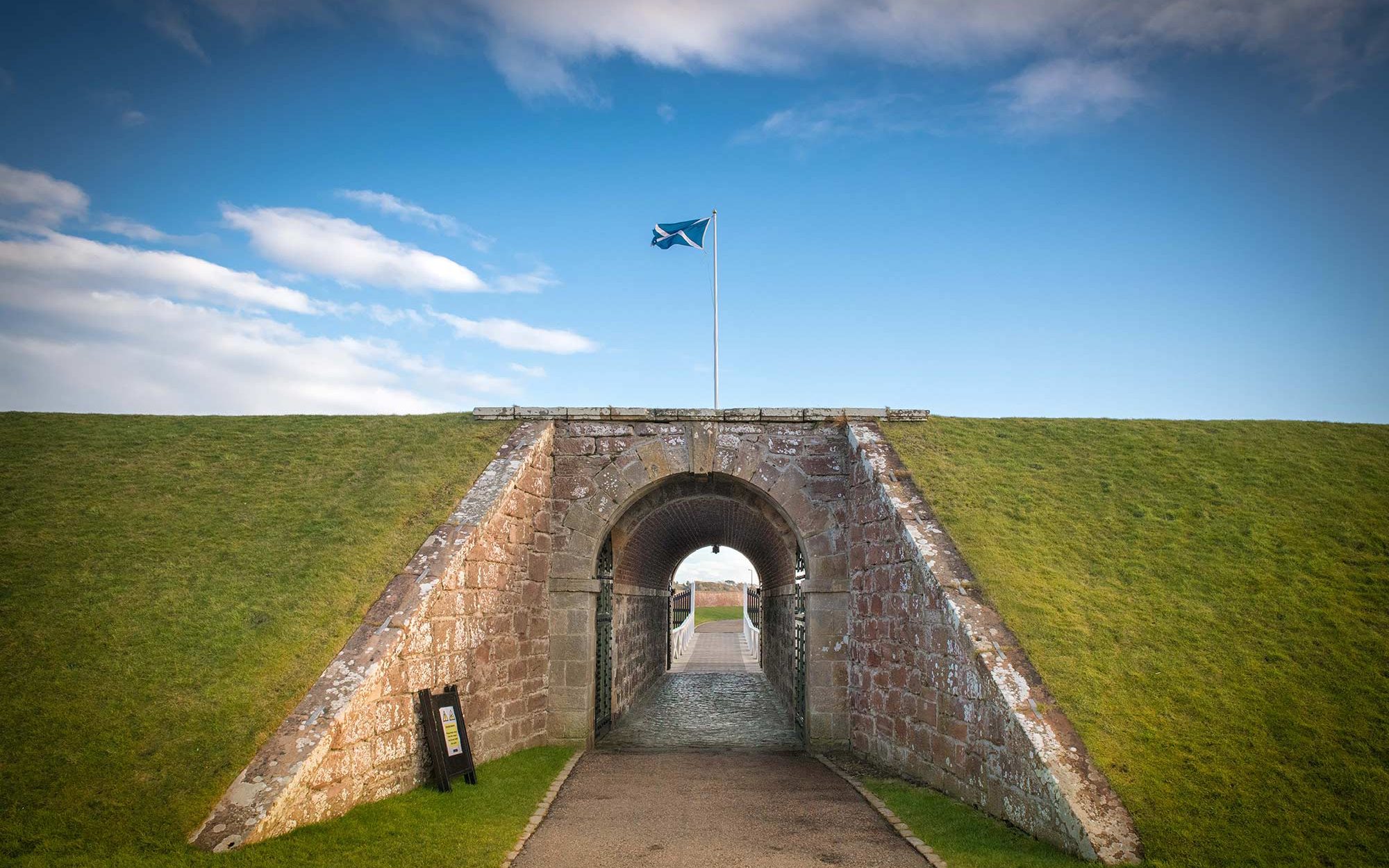 Armed to the teeth, Fort George is said to be the most imposing artillery fortification in Europe. Designed by Lieutenant-General Willaim Skinner, this mighty fortress took 22 years to build. At completion, the threat of the Jacobite rebels had already been suppressed, but today, it still functions as a military barrack. Its most unique feature would be its impressive artillery directed inland instead of out to sea. Named after King George II, the fortress is made up of a complicated maze of ramparts, garrisons, armories, and army barracks. Housing more than 1600 soldiers and officers, the fort has its own chapel and even a brewhouse within its towering walls. You’ll even find a dog cemetery dedicated to the regimental mascots and loyal canines for their service. One of the only two dog cemeteries in Scotland, definitely make a stop and admire their bravery and sacrifice for their nation.
Within the fort, is the Regimental Museum, also known as the Highlanders’ Museum. With the Queen’s Own Highlanders Collection, also designated as a Nationally Significant Collection showcases a stunning array of artifacts to tell the history of the Highland Regiments. If any lovebirds are interested, your dream wedding can be hosted at the Fort George Regimental chapel. Of course, it is best suited for Christian weddings, for those who have a regimental connection.
Beauly Priory
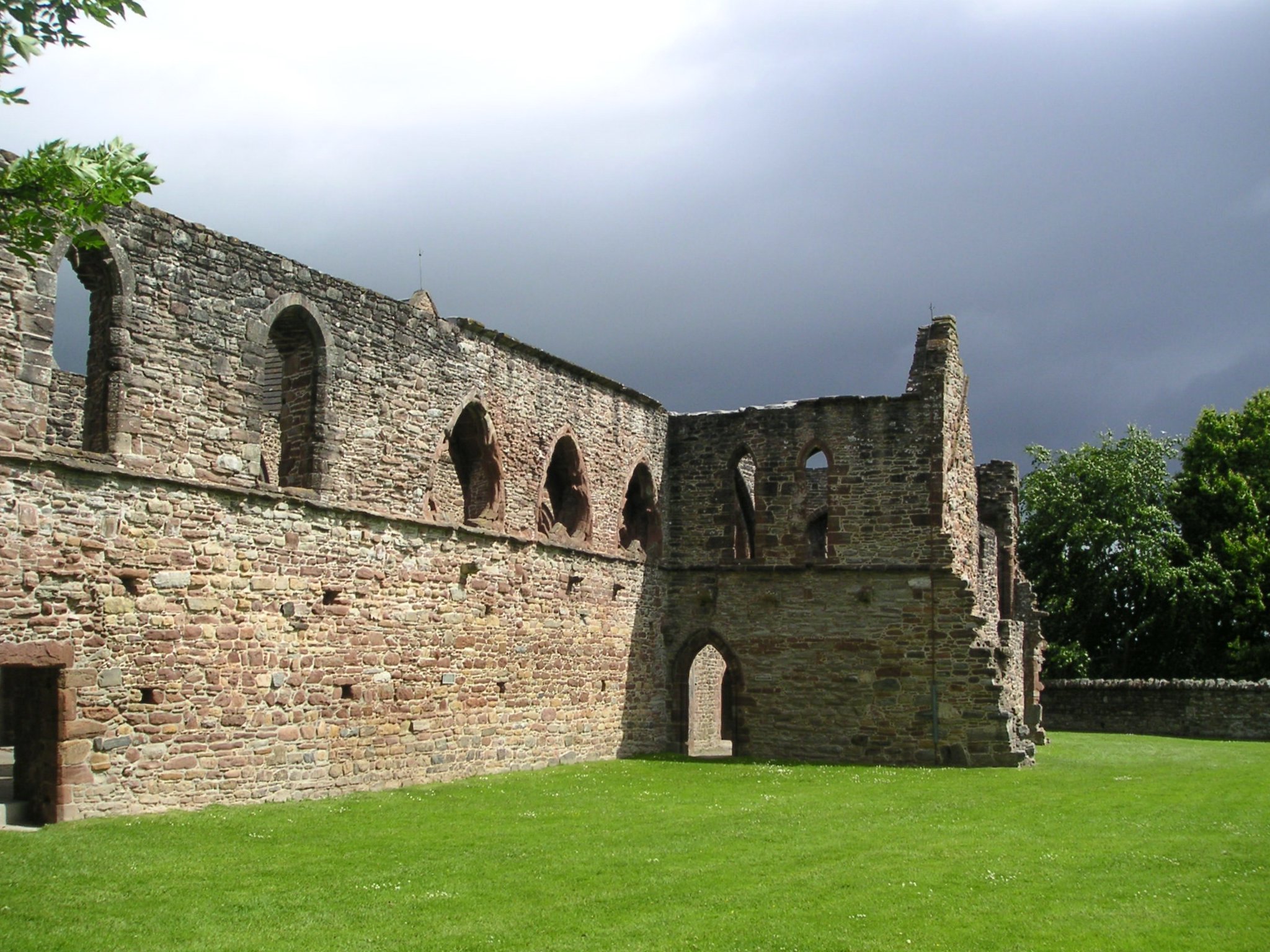
In ruins and roofless, the walls of the priory church still stand strong, making a mesmerizing sight. Visitors can expect to see 15th-century tombs and admire the magnificent architecture that spans from the 13th to 16th century. Open all year round, the priory might be the main attraction, however, there is plenty of things to do. Fish for salmon at the River Beauly or go for a game of golf. Cycle around this idyllic little village and enjoy a short retreat at Beauly!
Dornoch Cathedral
Find gargoyles situated outside of this charming Cathedral, thought to be evil spirits that had been turned into stone by the ringing of the church bells. Situated in the Royal Burgh of Dornoch, in Sutherland, this 13th-century parish church was founded by Gilbert de Moravia. The cathedral held its first service in 1239, and Gilbert de Moravia was canonized as a saint in 1245 after his death. The church was embroiled in turmoil during a clan feud between the Murrays of Dornoch and the MacKays of Strathnaver. In 1570, the Mackays set the Cathedral on fire, followed by the Reformation, hence repairs were delayed until 1835. A new nave was built over the ruins of the cathedral and the Sutherland burial vault was built under the chancel floor. Admire the beautiful glass stained windows, and pay special attention to the ones on the north side of the chancel. The three windows, each representing music, peace, and literacy are artistic masterpieces.
Steeped in history and culture, Scotland is certainly not just about men in “skirts”. We hope you’ve gained a better understanding of Scotland with this article and added a few spots to your bucket list. We know Scotland isn’t the most er, tropical, of holiday destinations. But if your hotel has a pool (as every good hotel should), or you stop by a lake and the water isn’t too cold for a dip, definitely bring along some fun floats to splash around! Got some kids? We love these puddle jumpers, cute and functional, and are small enough to fit into your bags! Happy holidays!
** This is a collaborative post **