Suboxone’s Silent Side Effects: Can You Sue for Dental Damage?
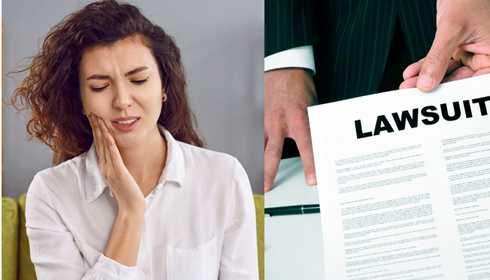
Suboxone, a medication hailed for its effectiveness in treating opioid addiction, has been a cornerstone in the battle against the opioid epidemic. However, amidst its acclaim for aiding recovery, a lesser-known issue has emerged: Suboxone’s potential to cause dental damage.
If you have suffered dental problems as a result of using Suboxone, contact skilled attorneys to get legal assistance to file a Suboxone lawsuit.
In this article, we delve into the overlooked aspect of Suboxone-induced dental problems and explore the feasibility of legal recourse for those affected.
Suboxone and Dental Damage
Suboxone offers a lifeline to individuals grappling with opioid dependence. Its use can inadvertently lead to oral health issues. One significant concern is dry mouth, a common side effect of Suboxone. Dry mouth, or xerostomia, occurs when there is a reduction in saliva production, disrupting the delicate balance of oral flora and promoting dental decay.
Without adequate saliva to wash away food particles and neutralize acids, individuals on Suboxone may experience an increased risk of tooth decay, gum disease, and oral infections.
Moreover, Suboxone can trigger heightened cravings for sugary substances. Opioids, including those found in Suboxone, can alter brain chemistry, leading to intensified cravings for rewarding stimuli such as sugar. Consequently, individuals undergoing Suboxone treatment may consume more sugary foods and beverages, exacerbating their susceptibility to dental issues such as cavities and enamel erosion.
Another concern is the potential for medication misuse. While Suboxone is intended for oral administration, individuals may resort to alternative methods such as crushing or dissolving tablets for snorting or injecting. These practices not only increase the risk of addiction but also pose direct threats to oral health. Ingesting Suboxone through non-prescribed routes can introduce harmful substances directly into the oral cavity, potentially causing damage to teeth and gums.
The cumulative effect of these factors underscores the severity of dental damage caused by Suboxone. Despite its benefits in addiction treatment, the medication’s adverse impact on oral health cannot be overlooked. Dental problems diminish the quality of life and incur significant financial burdens due to the costs associated with dental treatments and procedures.
Legal Landscape (Can You Sue for Dental Damage?)
As awareness grows regarding Suboxone’s dental side effects, attention has turned to the possibility of legal action against its manufacturers. Plaintiffs may argue that pharmaceutical companies failed to adequately warn consumers about the potential dental risks associated with Suboxone use. Failure to provide sufficient information about side effects could be construed as negligence, potentially laying the groundwork for legal recourse.
However, pursuing lawsuits against Suboxone manufacturers presents formidable challenges. One major obstacle is proving causation—that the dental damage was a direct result of Suboxone use and not attributable to other factors. Establishing a causal link between medication and dental problems demands comprehensive documentation, expert testimony, and robust medical evidence, which can be arduous and complex.
Furthermore, pharmaceutical companies typically deploy formidable legal teams to defend against such lawsuits, prolonging legal proceedings and escalating litigation costs. Successfully holding manufacturers accountable for Suboxone-induced dental damage requires substantial resources and legal expertise, making favorable outcomes uncertain.
Case Studies and Precedents

It is instructive to examine past cases involving pharmaceutical companies and medication-related dental damage to glean insights into the feasibility of legal action. Several precedents illustrate the complexities and challenges inherent in such litigation. While some cases have resulted in favorable outcomes for plaintiffs, others have faced insurmountable legal hurdles, highlighting the unpredictability of litigation outcomes.
Considerations for Plaintiffs
Before embarking on a legal battle, potential plaintiffs must carefully consider several factors. Gathering compelling evidence, consulting experienced legal professionals, and assessing the possible risks and benefits are crucial steps in determining the viability of pursuing legal action.
Additionally, plaintiffs should be prepared for protracted legal proceedings and the possibility of facing formidable legal defenses from pharmaceutical companies.
Conclusion
In conclusion, Suboxone’s silent side effect of dental damage underscores the importance of vigilance in healthcare monitoring for individuals undergoing addiction treatment. While Suboxone offers invaluable support in combating opioid dependence, its potential impact on oral health warrants attention and awareness.
The legal landscape surrounding Suboxone-induced dental damage is fraught with complexities, requiring meticulous evidence and legal acumen to navigate. Despite the challenges, advocating for patient rights and holding manufacturers accountable for adequate warning disclosures are essential to safeguarding public health.