
Sports Medicine Careers You Can Start Today
Working in sports health keeps you close to the action. You help players recover from tough injuries. You guide athletes toward top performance every single day.
Many paths open up fast in this field. You can kickstart a great path without waiting years. Training programs give you practical skills immediately. Let us look at the top options ready for you right now.

Athletic Training Paths
Athletic trainers work right on the sidelines. A major college profile shows that a high number of these professionals – over 70 percent – hold a master’s degree.
If you want to jump into this path, you need the right base. A university guide outlines necessary coursework in subjects like kinesiology, sports medicine, nutrition, and injury evaluation. You gain the skills to protect players during intense games.
Career Growth Requirements
Stepping into this career means keeping up with fresh industry methods. When you manage your license, completing Athletic Trainer Continuing Education hours keeps your credentials active for local employment. This dedication keeps your skills sharp throughout your career. You stay ready for sudden regulations.
Growing Demand for Sports Health Professionals
Opportunities are expanding quickly across the country. Government data projections indicate that employment for athletic trainers will expand 11 percent from 2024 to 2034. This expansion moves much faster than the average for typical occupations. Teams and schools need qualified staff to manage physical fitness.
Earnings remain solid for entry positions. An educational research article reports that these professionals earn a median annual wage of $62,520 as of May 2025. You can secure a position with a bachelor’s degree. Higher positions offer even more financial growth.
Certification Renewal Rules
Staying licensed requires meeting strict timelines. Official board announcements show that all athletic trainers must finish their certification renewal requirements by February 2, 2026, at 5 p.m. Central Time. Missing this deadline can halt your ability to practice. Staying organized prevents license gaps.
New systems help track your progress smoothly. A national association update highlights a new collaboration that automatically transfers approved training activities directly into your profile using a digital sync system. This automated tool cuts down on manual paperwork. It allows you to focus on client health.
Continuing Education Benchmarks
Every region sets specific credit metrics for field professionals. A state association page mentions that athletic trainers must collect a minimum of 50 continuing education units every two years. These credits confirm you understand modern therapy tactics. Regular study protects player safety.
Finding affordable training options is easier now. A research network report shows that professionals nationwide completed more than 100,000 free educational courses through their platform. These open programs remove high-cost barriers. You can learn without spending thousands of dollars.
Core Practice Domains
Education courses align with strict professional standards. A regulatory news update clarifies that all learning activities must fit inside the domains of the eighth edition practice analysis. This document defines the exact entry-level knowledge required for safe practice. It establishes a unified standard for every trainer.
These domains cover injury prevention, clinical evaluation, and immediate emergency care. Understanding these areas forms the core of your regular practice. Staying updated on these principles protects your professional standing.
Varied Job Settings for Experts
Sports health professionals work in diverse spaces. You do not have to stay in a traditional school gym. Many industries value your physical recovery knowledge. Corporate offices now hire movement coaches.
Different workplaces provide unique schedules and daily duties. Some environments require travel with competitive sports groups. Other positions offer standard daytime hours in a fixed facility. You can find a setting that fits your needs.
Here is a list of common environments:
- Professional athletic clubs hire trainers to manage player health.
- Industrial warehouses use movement experts to lower worker injuries.
- Military bases employ specialists to keep soldiers in peak shape.
- Medical clinics utilize therapy assistants to guide patient recovery.
Support Roles in Sports Clinics
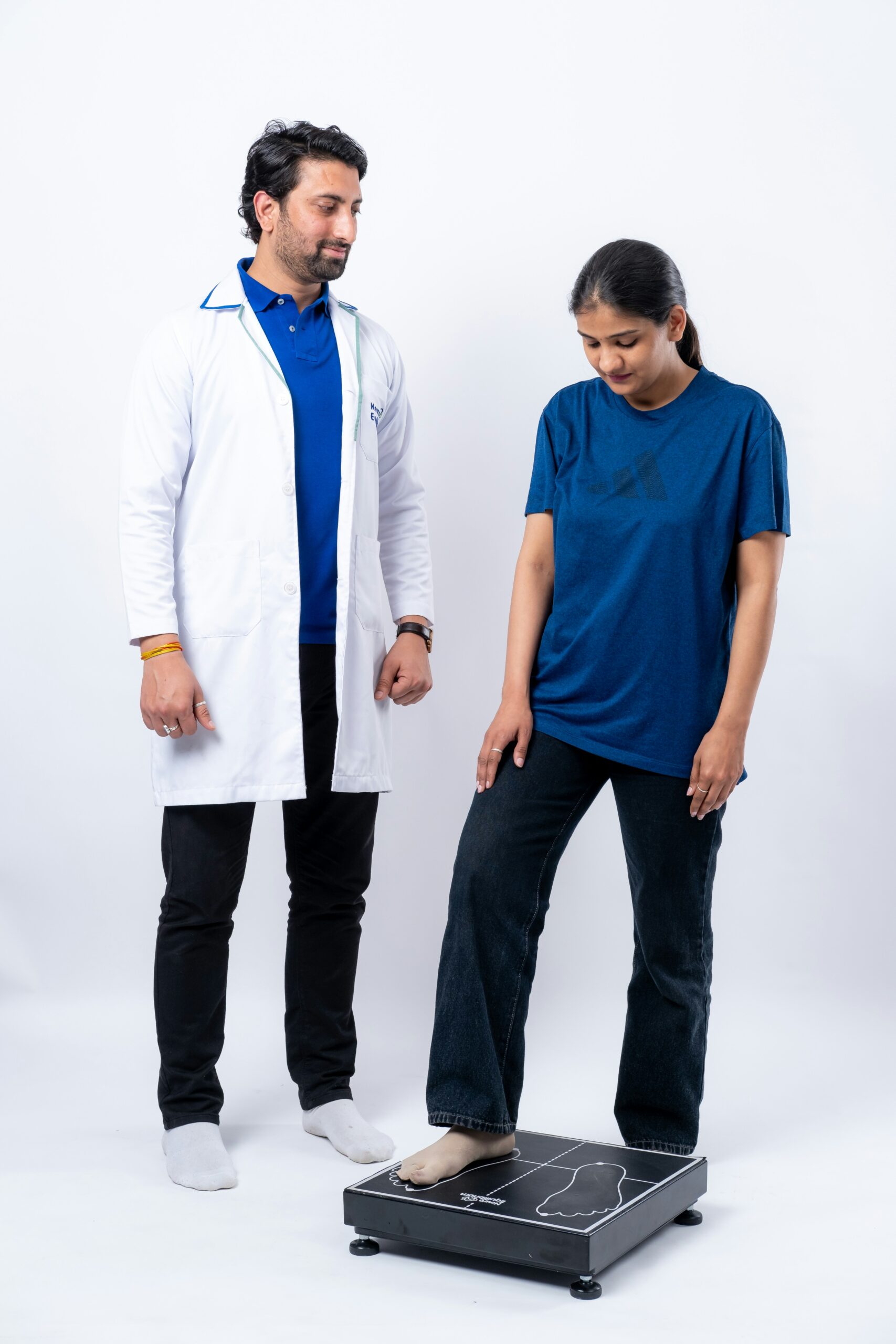
Physical therapy assistants focus heavily on clinical rehabilitation. They work under licensed physical therapists to restore joint motion. These assistants see patients of all ages, from children to senior citizens. The job requires an associate degree from an accredited college.
Athletic trainers focus directly on immediate sports injuries. They provide emergency care on fields during competitive matches. Their schedule often follows the competitive season of their assigned team. Both roles provide excellent entry paths into healthcare.
Choosing a path in sports medicine brings immense personal satisfaction. You help individuals reach their movement goals every day. The rapid growth of these professions means positions are available across multiple fields.
You can select an option that aligns with your lifestyle. Start looking at local training programs to take your first steps toward this career. Your future in athletic health begins with action. Dedicated professionals always find great opportunities.


