Simple Gardening Projects to Do with Children This Spring
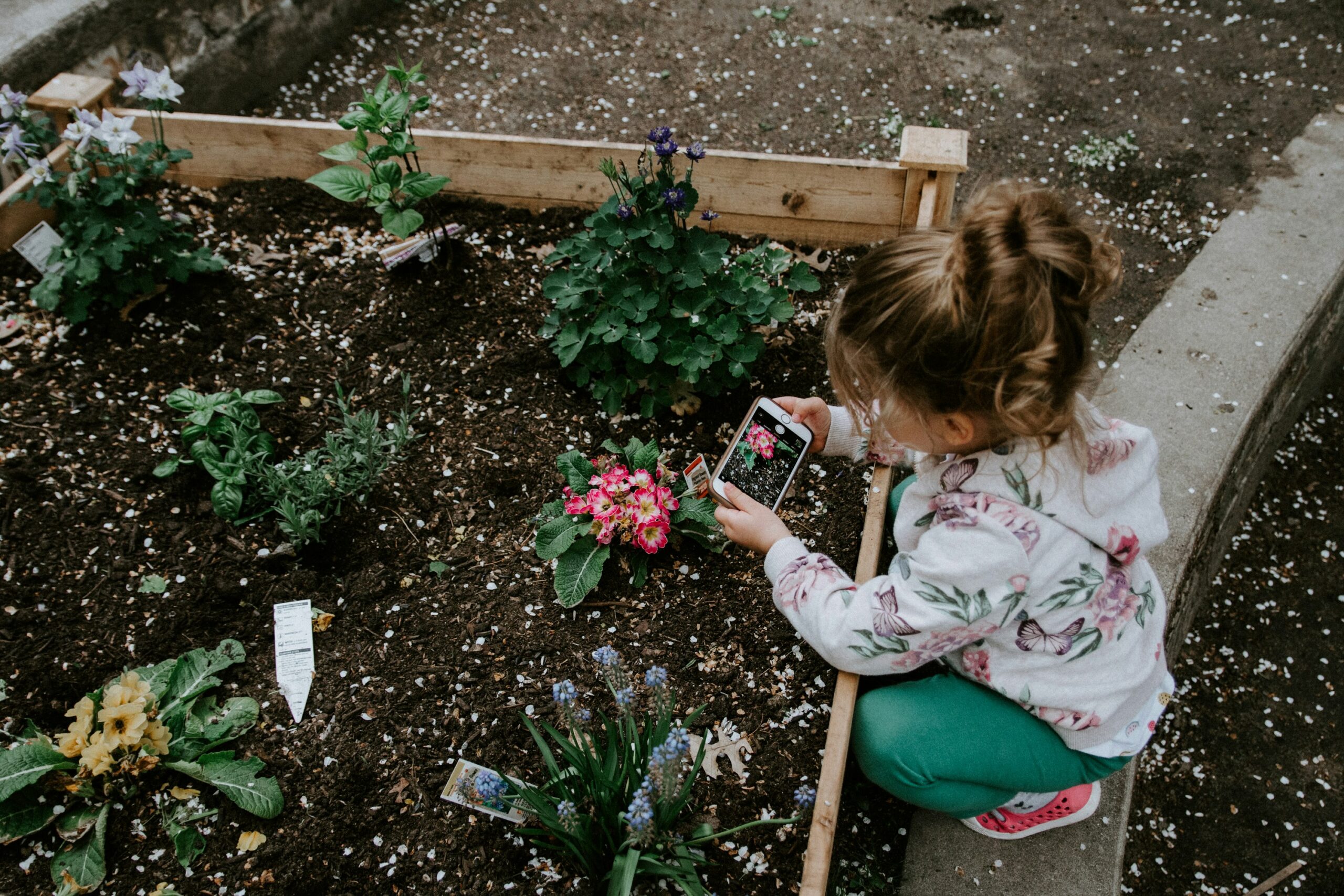 There’s something really special about spring when you’ve got children around. The days stretch out a bit longer, everything feels fresher, and the garden starts coming back to life after winter. Getting kids involved in all of this – planting things, watering them, watching them grow – isn’t just about keeping them busy. It helps them feel connected to the natural world, teaches them to be patient (not an easy lesson!), and sneaks in a bit of science education without them even realising it. Even if you just start with a few packets of vegetable seeds, you’ll be surprised how much they get out of it.
The best bit? You don’t need to make it complicated. A few simple projects, approached with a bit of imagination and flexibility, can make for lovely family time whilst encouraging that natural curiosity children have.
Getting started: planning together
Before you dive in and start planting, it’s really worth getting the children involved right from the planning stage. Let them have a say in which seeds to grow and where things should go. Giving them that choice means they feel like it’s their garden, and they’ll care about it so much more.
You don’t need acres of space, either. A windowsill works brilliantly. So does a balcony, or just a small corner of the garden. Containers are perfect – even old pots you’ve saved from something else. Talking with them about what vegetables they’d like to grow (radishes? carrots? peas?) gets them thinking ahead and helps them understand how one thing leads to another.
Sowing seeds and simple routines
Sowing seeds is probably the easiest way to get children properly engaged. It’s wonderfully tactile – they get their hands in the soil, they water things, and they can see what happens right from the start. Try explaining that each tiny seed has everything it needs to become a whole plant if it’s looked after properly.
It’s also a good moment to introduce simple routines. They can take charge of watering every day, or making sure their seedlings are getting enough light. These little jobs teach them about consistency and show them, in a very real way, how taking care of something helps it grow.
Projects for different ages
Spring’s full of gardening activities that work well for children of different ages. Planting seeds in small pots is a classic. Making colourful plant markers can keep them busy whilst letting them be creative. Older children might enjoy getting stuck into preparing raised beds or mixing compost, whilst younger ones are often happy just pouring soil and watching what happens to their plants over time.
You can also think about sensory elements. Planting herbs they can smell, for instance, or vegetables they’ll eventually be able to taste. That multi-sensory approach really makes the whole experience stick in their minds.
Learning patience through observation
One of the most valuable things gardening teaches children – and let’s be honest, it’s a tough one – is patience. Plants don’t grow overnight. Children quickly work out that they need to keep caring for things, paying attention, and waiting for results. Watching seedlings appear and gradually turn into proper plants reinforces the importance of observation and the simple passage of time.
Keeping a garden journal can really add to this. Children can draw what they see or write little notes about when shoots appeared, when leaves opened up, or when flowers bloomed. It encourages them to stop and notice small changes they might otherwise miss.
Natural learning opportunities
Gardening brings in basic science and maths without it feeling like schoolwork. Measuring how deep to plant seeds, counting leaves, estimating how much something’s grown – it’s all practical experience with numbers and observation. Talking about sunlight, water, different types of soil, and how plants live their lives makes learning feel real and exciting. These activities don’t come across as formal lessons. They’re immersive and hands-on, which means children actually remember things whilst having a good time.
Building independence and problem-solving skills
One of the loveliest things about gardening with children is watching them take real pride in what they’ve done. Give them small, manageable jobs – watering certain pots, checking for pests – and they’ll feel responsible and more independent. Even very young children can contribute meaningfully, whether that’s carefully placing seeds in the soil or gently patting them down.
As children start feeling like the garden’s theirs, they also begin to problem-solve. If seedlings don’t come up or a plant looks droopy, they start understanding that plants need specific things, and that changing how they care for them can make a difference. Those problem-solving skills carry over into all sorts of other areas.
The reward of harvesting
The real payoff of gardening is getting to see and enjoy what you’ve grown. Harvesting vegetables that children have planted themselves brings a sense of achievement that’s wonderfully tangible. Even small harvests – radishes, lettuce leaves, herbs – feel like proper milestones.
Getting them involved in making meals using what they’ve grown reinforces that connection between effort and reward. They start understanding where food actually comes from and develop a real appreciation for the work that goes into producing it.
Beyond spring: building lasting habits
Spring’s a brilliant time to start, but gardening doesn’t have to stop there. Introducing children to planting different things through the seasons keeps them engaged and builds habits that last. Each season brings new projects – planting bulbs in autumn, looking after plants through winter – which keeps the whole gardening experience fresh and interesting.
By weaving gardening into family life throughout the year, children develop a lasting relationship with nature, patience, and responsibility. These are lessons that stay with them long after they’ve grown up.
The joy of growing together
More than anything else, gardening with children is about spending time together and making connections. Being outside together, working on something that produces visible results, celebrating when things grow – these create memories that last far beyond a single season. Even simple activities, like sowing a few vegetable seeds, can spark curiosity, get conversations going, and bring genuine joy.
Family gardening doesn’t need to be elaborate or expensive. With a bit of preparation, some patience, and a dash of creativity, spring offers the perfect chance to introduce children to the pleasures of growing things, nurturing them, and watching life unfold – one seed at a time.