Professional Dental Cleaning: What To Expect And Why It Matters
 A bright, healthy smile is typically considered a sign of well-being, but its maintenance extends far beyond aesthetics. Regular professional dental cleanings are a cornerstone of comprehensive oral health, serving as a preventive measure against a host of dental and medical issues. While a diligent at-home routine of brushing and flossing is crucial, it’s not sufficient to combat all the challenges posed by oral bacteria.
Professional cleaners can remove hardened plaque and tartar that home care can’t address, providing a deep level of cleanliness and a critical opportunity for a dental professional to screen for potential problems. Understanding the process and the significant benefits of a professional cleaning can alleviate these concerns and underscore its necessity as a non-negotiable component of personal healthcare.
Read on to learn what to expect from professional dental cleaning and why it matters.
The Step-by-Step Process of a Dental Cleaning
A standard professional dental cleaning appointment is a systematic and straightforward process designed for maximum comfort and efficacy. Here’s the step-by-step process of a dental cleaning:
The Comprehensive Oral Examination
Before any cleaning begins, a dental hygienist or dentist performs a thorough examination of the entire oral cavity. Using a small mirror, they inspect the teeth and gums for any signs of concern, such as inflammation, bleeding, or pockets between the gums and teeth. This visual check also screens for other issues, such as cracked teeth, broken fillings, and early signs of oral cancer. In many modern practices, this may be supplemented with digital X-rays to see below the surface, checking the health of tooth roots and the jawbone.
Plaque and Tartar Removal with Scaling
The core of the cleaning involves the removal of plaque and its hardened form, tartar or calculus. Despite best efforts with brushing, plaque can mineralize into tartar on teeth, particularly near the gumline. Tartar can’t be removed by brushing alone. The dental professional uses specialized instruments, known as scalers, to gently and meticulously scrape these deposits.
Furthermore, patients who prefer an exceptionally comfortable experience may consult with many dental offices offering a gentle teeth cleaning treatment that prioritizes patient comfort throughout this process. The duration of this step may also depend on the amount of tartar buildup, highlighting the importance of regular cleanings.
High-Power Polishing
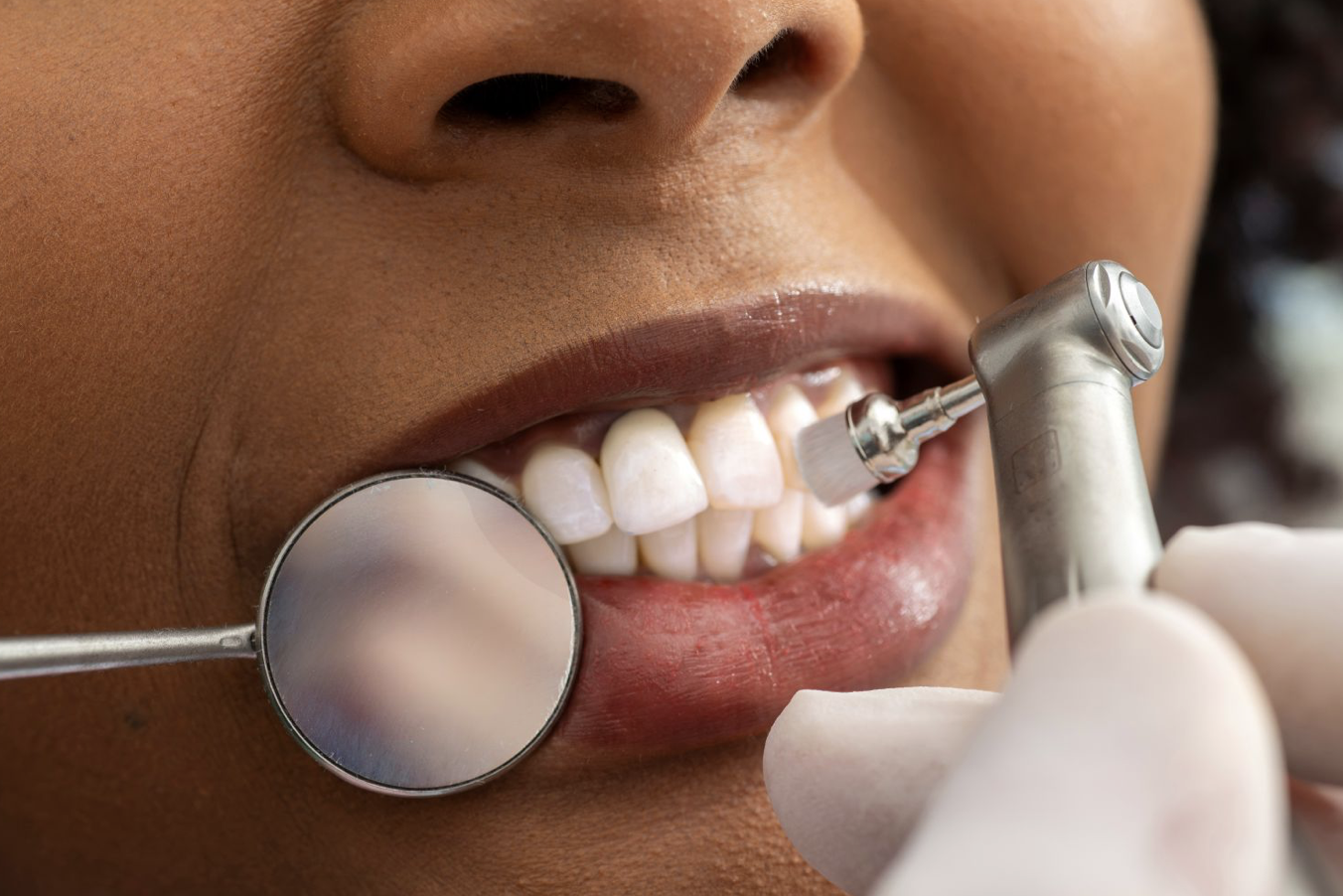
Following scaling, the teeth are polished using a slow-speed handpiece with a soft rubber cup and a special gritty prophylaxis paste. This polishing step removes any residual surface stains from coffee, tea, wine, or tobacco, creating a smooth surface on the tooth enamel. A smooth surface is more difficult for plaque to adhere to, thereby helping to slow its future accumulation.
Expert Flossing
A professional flossing session is performed to remove any dislodged plaque or paste from between the teeth. This also serves to ensure that the gum tissue between the teeth is healthy and can withstand the pressure of flossing without bleeding. It’s also an opportunity for the hygienist to demonstrate proper flossing techniques if needed.
Fluoride Treatment (Optional but Recommended)
As a final protective step, fluoride treatment is often applied. This treatment typically comes in the form of a gel, foam, or varnish that’s placed in a tray that fits over the teeth or painted directly onto them. Fluoride acts as a strengthener for tooth enamel, helping to demineralize minor, early decay, and making the teeth more resistant to cavities for several months. This is particularly beneficial for both children and adults at risk of tooth decay.
The Profound Importance of Regular Dental Cleanings
 The value of professional cleaning extends far beyond simply having cleaner-feeling teeth. Its role in preventive healthcare is immense and multifaceted. Below are the reasons why regular dental cleanings matter:
Prevention of Cavities and Gum Disease
The primary purpose of cleaning is to remove the bacterial biofilm (plaque) and its hardened counterpart (tartar), which are the direct causes of tooth decay and gingivitis, the earliest stage of gum disease. By eliminating these substances, the risk of developing cavities and inflamed gums is significantly reduced.
Halting the Progression of Gum Disease
If gingivitis is left untreated, it can advance to periodontitis. This severe gum infection destroys the bone supporting the teeth and is a leading cause of tooth loss in adults. Regular cleanings can help prevent gingivitis from progressing to this destructive stage.
Early Detection of Oral Health Issues
A dental cleaning appointment also serves as a screening session. Dental professionals are trained to identify early signs of problems such as oral cancer, bruxism (teeth grinding), and other conditions that a patient may not notice. Early detection can typically lead to simpler, less invasive, and less expensive treatments.
Systemic Health Connections
A growing body of research continues to link oral health to overall systemic health. The inflammation associated with gum disease has been connected to more serious conditions, including cardiovascular disease, diabetes, respiratory infections, and adverse pregnancy outcomes. Maintaining a healthy mouth through professional cleanings can be a vital part of managing overall health.
Aesthetic and Social Benefits
Cleanings can remove surface stains, helping to maintain a whiter, brighter smile. Furthermore, the removal of bacteria and food debris can significantly reduce bad breath (halitosis), boosting confidence in social and professional interactions.
Key Takeaway
Professional dental cleaning is a preventive clinical procedure that’s both therapeutic and diagnostic. Adhering to a schedule of cleanings every six months, or as recommended by a dental professional based on individual needs, is a critical investment in long-term oral and overall health. Lastly, by keeping the information mentioned above in mind, patients can preserve natural teeth, support general wellness, and ensure a confident, healthy smile for years to come.