Natural Light Solutions That Support Home Security
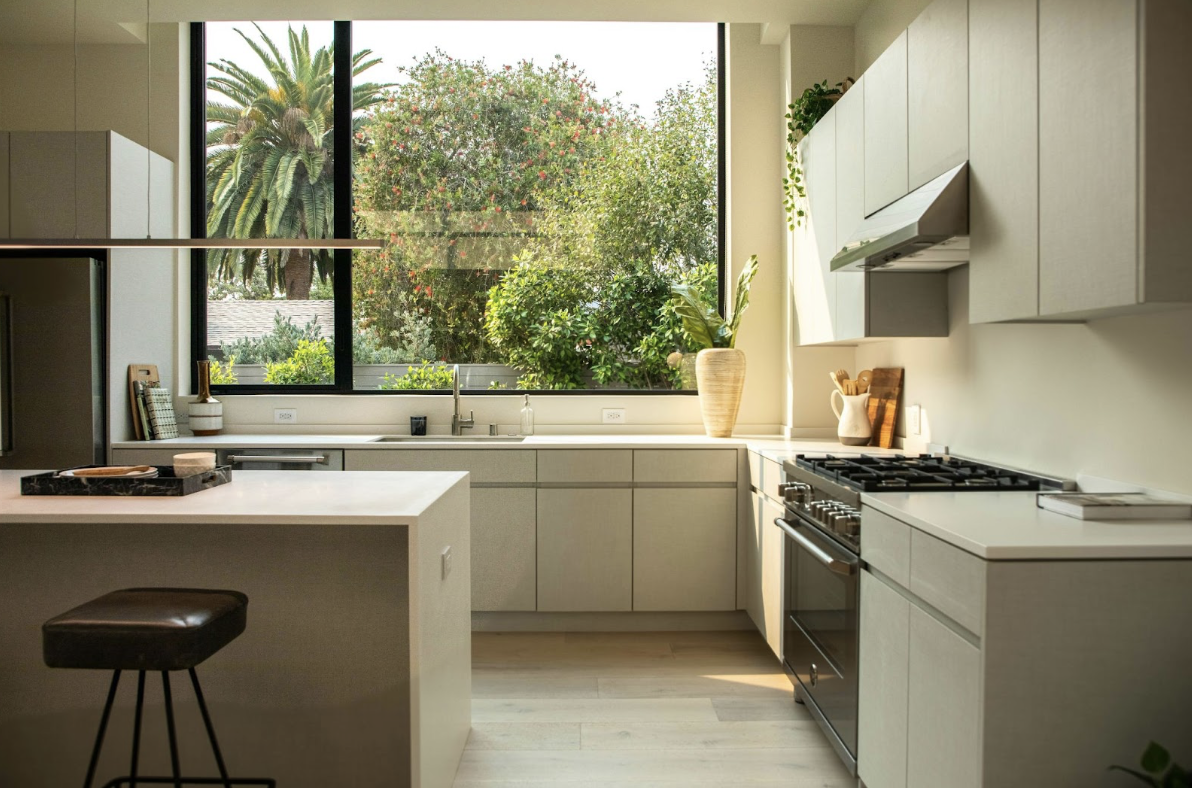 Natural light improves how a home feels. Rooms appear larger, colours soften, and daily living becomes more comfortable. Security, however, often feels like a competing priority. Many homeowners worry that adding glass or widening openings could weaken protection. With the right approach, light and safety can work together. Thoughtful layouts, modern materials, and careful placement allow features such as an external French door to brighten interiors while still supporting strong home security.
Why Light And Security Should Work Together
Dark spaces create uncertainty. Poorly lit interiors and entrances make it harder to spot movement, identify visitors, or notice changes outside. Natural light reduces these blind spots. When sunlight reaches key areas, occupants gain clearer views and stronger awareness of their surroundings. This visibility supports security rather than undermining it. The goal is not exposure, but clarity.
Positioning Openings With Purpose
Where light enters matters as much as how it enters; large glazed areas placed without thought can create vulnerability. Strategic positioning reduces that risk. Openings that face private gardens or enclosed spaces offer light without direct street exposure. Side elevations and rear elevations often suit larger glazed features better than front-facing locations. This placement improves brightness while limiting visibility from public areas.
Glazing That Protects
Modern glazing technology plays a central role in balancing safety and light. Reinforced glass resists impact far better than older single-pane options. Laminated and toughened glazing maintains transparency while adding strength. These materials remain clear even after breakage, reducing the chance of forced entry. Light flows freely, but security remains intact.
Frames And Structure Matter
Glass alone does not determine strength. Frames and the surrounding structure support the entire opening. Poorly fitted frames weaken even the strongest glazing. Modern frames use reinforced cores and precision fittings that reduce flex and gaps. Tight tolerances prevent leverage points. This construction allows larger glazed areas without compromising overall stability.
Doors That Invite Light Safely
Doors often serve as both entry points and light sources. Designs with glazed panels introduce brightness into hallways, kitchens, or dining areas. An external French door illustrates this balance well. Multiple glass panes allow daylight to flood in while multi-point locking systems secure the opening. When closed, these doors form a strong barrier. When open, they support airflow and visibility without sacrificing control.
Managing Sightlines And Privacy
Light should not mean loss of privacy. Frosted, patterned, or textured glazing allows daylight while obscuring direct views. Strategic glazing choices protect private spaces without darkening them. This approach suits bathrooms, stairwells, and side entrances where light is welcome but exposure is not.
Supporting Natural Surveillance
Natural surveillance is a key principle in home security. Occupants who can see outside clearly are more likely to notice unusual activity. Large, well-placed glazed areas allow residents to monitor gardens, pathways, or access points. This passive observation discourages unwanted behaviour and reduces reliance on artificial lighting during the day.
Reducing Dependence On Artificial Light
Homes that rely heavily on artificial lighting can create contrast between bright interiors and dark exteriors. This contrast makes it harder to see outside clearly. Natural light creates a smoother transition between indoor and outdoor spaces. During daylight hours, this balance improves visibility and reduces shadows, reducing the risk of movement going unnoticed.
Integrating Light With Landscaping
Outdoor design influences how light and security interact. Clear sightlines from windows or doors to boundaries improve visibility. Landscaping should support this by avoiding dense planting near glazed areas. Low-level planting and open fencing allow light through while maintaining visual control. This integration strengthens security without restricting access to the property.
Energy Efficiency And Comfort
Natural light also contributes to thermal comfort when appropriately managed. Modern glazing reduces heat loss while allowing solar gain. Well-insulated frames and glass improve efficiency, keeping interiors warm without increasing vulnerability. Comfort and security reinforce each other when materials perform as intended.
Avoiding Overexposure
More light is not always better. Excessive glazing in exposed locations can create security concerns. Balance comes from moderation. Combining solid sections with glazed panels, or breaking up large areas into smaller units, maintains strength while still delivering brightness. This approach avoids turning openings into weak points.
Thoughtful Design Builds Confidence
Natural light solutions should feel intentional rather than added later. When openings align with the home’s layout and daily use, they enhance both comfort and safety. Design choices that consider movement, visibility, and access lead to spaces that feel secure without feeling closed off.
Light And Safety In Harmony
Brightness and security need not compete. With careful planning, materials, and placement, they support each other. Features such as an external French door show how modern design can deliver daylight and protection in equal measure. When natural light is treated as part of the security strategy rather than a risk, homes become more comfortable, more aware, and ultimately safer places to live.