Is Cat Depression A Thing? How to Help Your Cat Go Through It
 Cats are far more emotional than the stereotypically distant and uncaring felines we see in memes and videos. They do not express their emotions like dogs do and are often hard to read. Some are expressive, while others tend toward anxiety, ambivalence, circumspection, or inquisitiveness.
Like their human owners, cats may be susceptible to feelings of depression. It is not as easy to get rid of as picking up a natural hairball remedy to solve a feline’s digestive blues. Here are some of the signs and symptoms and advice on what to do if your kitty is depressed:
Is depression in felines real?
Any drastic behavior change should be addressed to determine its causes and plan a treatment program. No one symptom will give a decisive indicator of depression. However, ruling some other potential causes out could leave depression as the only remaining cause. Feline depression is not about a cat having an off day but the culmination of weeks of off days.
Feline depression is a multifactorial condition, meaning that several factors could contribute to it. The two most common factors that play into a human depression diagnosis are situational and physical. A stressful situation could as easily cause depression as could a chemical imbalance in the brain.
Unlike human patients, cats cannot tell their owners or vets what is bothering them. This makes the task of diagnosing depression and treating its causes more challenging but not entirely impossible. Nevertheless, cat owners should know that their cats are more likely to suffer from depression than other pets, such as dogs.
Diagnosing feline depression
As mentioned before, a depression diagnosis can be tricky for even the most experienced vets. Most follow a process of elimination, ruling out other causes of behavioral changes. Cats often exhibit signs of depression if they are ill or in pain. Feel around your cat’s body to see if you can identify a tender area. However, do not assume that all is well if you do not.
A vet would need to do a thorough physical examination to rule out any injury or condition. This could include bloodwork, x-rays, and an ultrasound. If your vet feels there is a chance that a neurological condition is causing the cat’s changed behavior, further tests, such as a spinal tap or MRI, might be necessary.
A vet will also interview a cat owner to determine any situational factors that might cause depression if no physical causes present themselves. Cats are creatures of habit, and changes to their routine can lead to anxiety, which exhibits itself through depression-like symptoms.
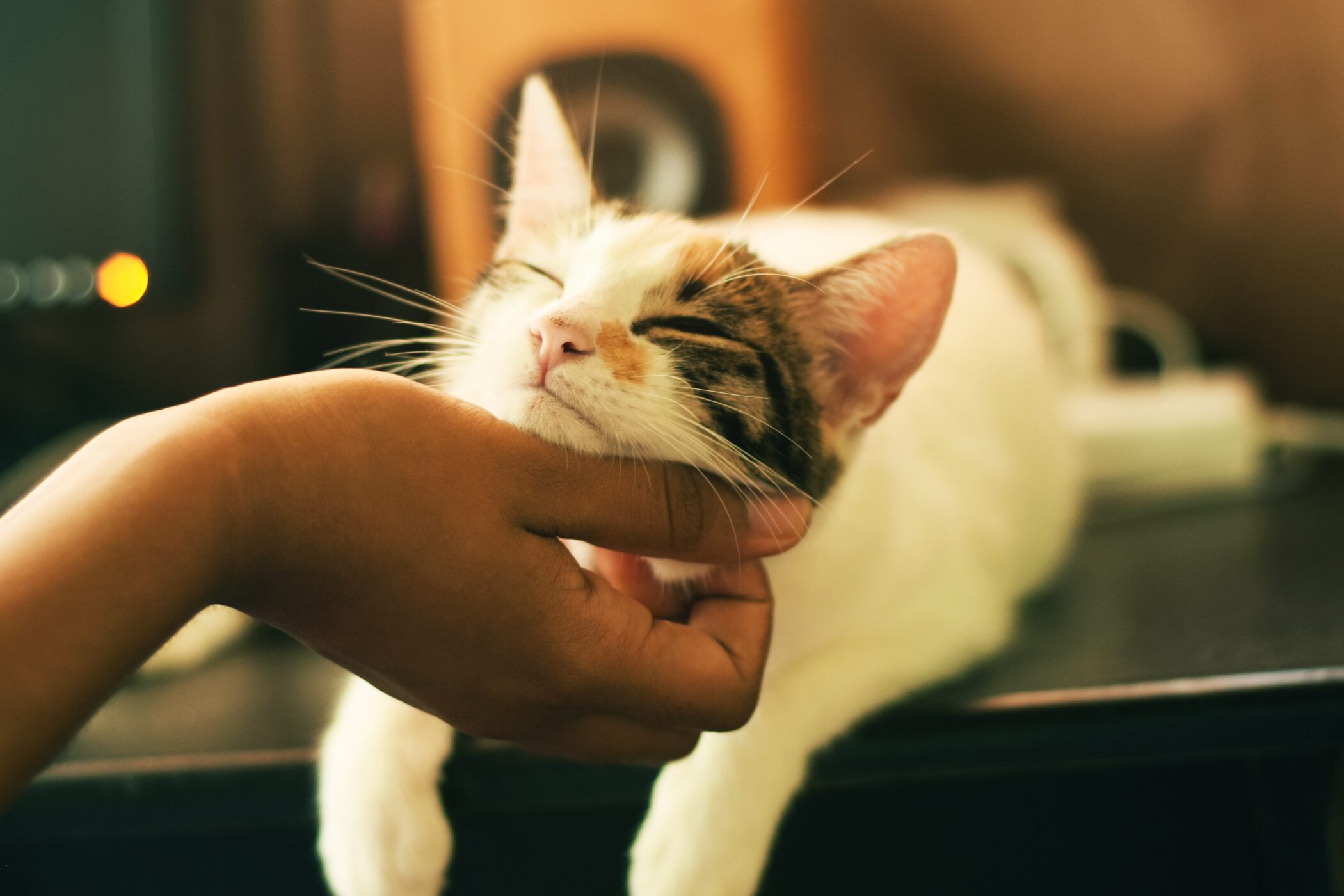 Symptoms of feline depression
A change in vocalization or vocal patterns, such as melancholic yowling, is a strong indicator of something amiss. Cats with lots to ‘say’ might become quieter and those that are usually circumspect begin making more noise. Even an abnormal amount of purring could indicate a problem as felines can use this mechanism to self-soothe when stressed.
Another behavioral change to look for is raised aggression or fear levels. If your ordinarily even-tempered cat reacts aggressively or seems frightened of things that never bothered it before, this could point toward depression. This includes being clingier, hiding, and becoming reclusive.
Depressed felines tend to sleep more than they usually would. Like humans, sleep is a welcome escape from feelings of sadness for cats. In addition to sleep pattern changes, appetite changes are also a well-known indicator of depression. A cat may suddenly go off its food or develop a seemingly insatiable appetite. A depressed cat is also more likely to scratch and mark its territory more often.
Situational causes of cat depression
Emotional stressors factor into a feline depression diagnosis. This could include moving house, changing routines, or the arrival or loss of a loved one or other pet. As highly intelligent creatures, cats feel a range of deep emotions, which can cause them to feel anxious or depressed.
When addressing situational causes, a vet might advise you to put extra measures in place to help your kitty work through its feelings. For example, creating more safe spaces in the home where a cat can retreat when feeling stressed could help them feel better. Cats find competition stressful, so the arrival of a baby in your home could lead to feelings of sadness, confusion, and anxiety about having their position in the household pecking order usurped.
 Helping your cat through depression
While a vet might prescribe some medication or a herbal remedy, getting through a depressive episode is about more than medicine. In human patients, the medication does about 50% of the work, where therapy and emotional effort do the rest.
While your cat might not need therapy, it will require reassurance. Spend more time with your cat and make a point of giving them individual attention. If the symptoms persist, go back to the vet.