
How to Protect Your Gear on Your Next Adventure
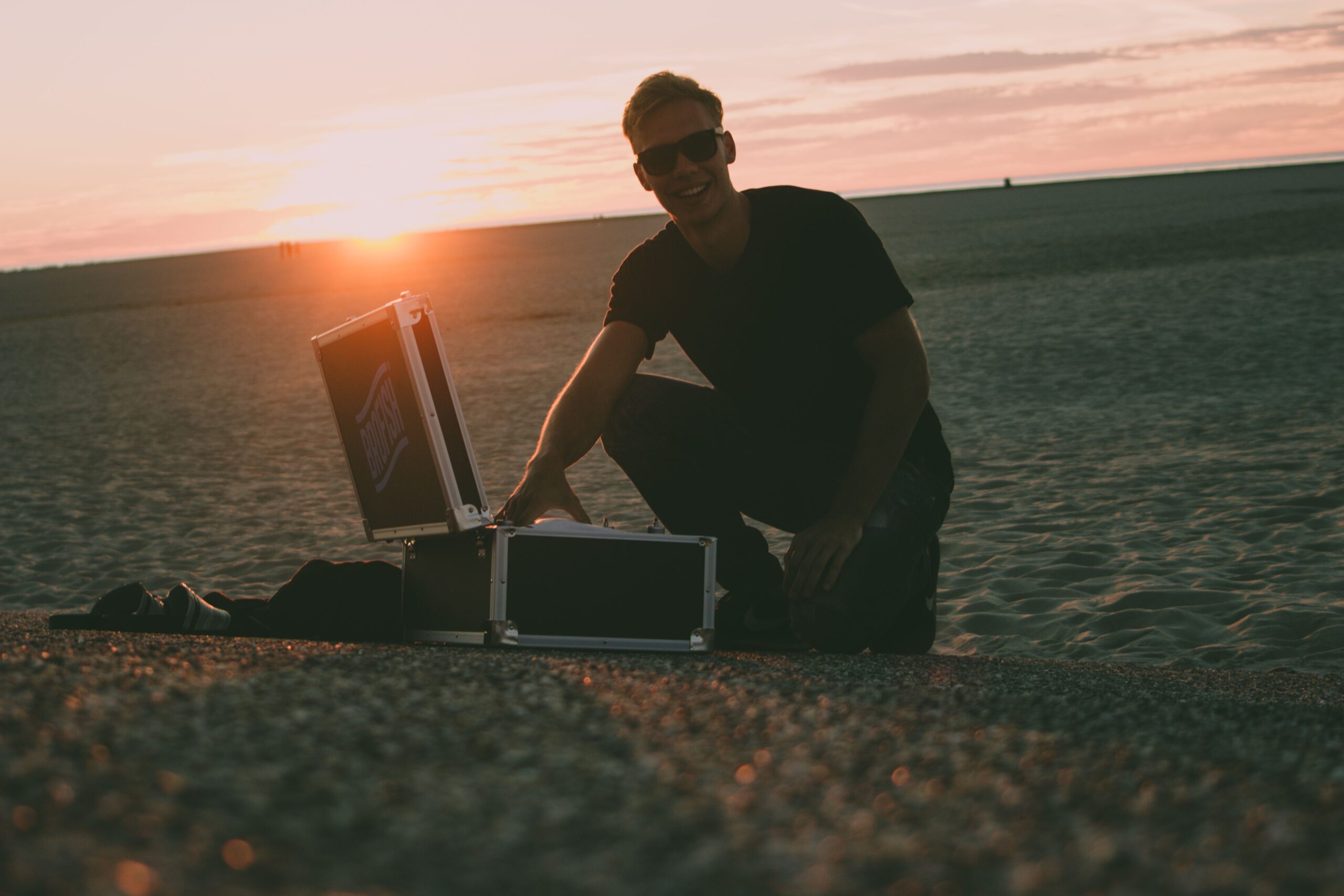
Going on an adventure often means taking more than clothes and toiletries. Cameras, musical instruments, sports equipment, camping accessories and other specialist gear can be essential to making the most of a trip. However, carrying valuable or fragile equipment creates another problem: how do you keep it safe while travelling?
The answer starts with choosing suitable protection and planning how your equipment will be transported. A padded bag may work for lighter items, while larger or more delicate equipment may need a protective case. You also need to consider how often you will move it, where it will be stored and whether you will be travelling by car, plane, train or a combination of transport.
For families and active travellers, good preparation can make the journey much easier. You can protect your equipment without letting it take over your entire holiday.
What Gear Needs Extra Protection When Travelling?
Not every item needs specialist protection. Everyday belongings such as clothes, books and toiletries can usually be packed in standard luggage. More fragile or expensive equipment needs greater care.
Photographers may travel with cameras, lenses, tripods, flashes, batteries and other accessories. Musicians may carry instruments, microphones, mixers and cables. Families on an active holiday might take sports equipment, camping gear or electronic devices.
Before packing, consider the value and fragility of each item. Consider whether it could be damaged by pressure, moisture, dust or an accidental knock. If the answer is yes, give it its own protective storage.
It is also worth considering how difficult it would be to replace an item. A broken charger may be inconvenient, but replacing an expensive camera lens while abroad could be much harder.
How a Flight Case Box Can Protect Your Gear
A flight case box can be a practical option for transporting equipment that requires extra protection. Flight Case Warehouse supplies protective cases for equipment such as musical instruments, cameras, computers and specialist equipment, giving travellers a way to keep valuable items secure during transport.
A dedicated case can also prevent equipment from shifting among other luggage. This is particularly useful when several people are sharing a vehicle, and bags are likely to be loaded and unloaded throughout a trip.
The right case will depend on what you are carrying. Check the dimensions of your equipment before buying, and make sure there is suitable space for padding and accessories. Avoid choosing a case simply because it looks large enough. A good fit can help prevent unnecessary movement inside.
Pack Your Equipment With Care
A protective case is only part of the solution. How you arrange the contents matters too.
Start with the heaviest items and work out where they can sit without putting pressure on delicate equipment. Use appropriate padding around cameras, lenses, instruments and other fragile items.
Keep small accessories organised. Memory cards, batteries, cables and adapters can be hard to find when packed loosely. Compartments or smaller storage bags can help keep everything together.
Do not fill every available space just because it is there. Overpacking can put pressure on equipment and make the case unnecessarily heavy.
Before closing the case, check that nothing is pressing against a fragile component. Give the contents a gentle check to make sure everything is secure and cannot move around excessively.
Think About the Journey, Not Just the Destination
It is easy to focus on keeping equipment safe once you arrive at your holiday destination. However, most damage occurs when items are being moved, loaded, or unloaded.
Think through your entire journey before you leave home. Will you be carrying the equipment from your house to the car? Will you need to move it through an airport? Are there train connections, hotel corridors, or long walks between transport stops?
If you are driving, consider how the equipment will fit into the vehicle. Cases should be secured so they do not slide around when the car brakes or turns. Avoid placing heavy luggage on top of fragile equipment.
If you are flying, check the airline’s latest baggage rules before travelling. Requirements can vary, particularly for large, heavy, or specialist items. Valuable equipment may also need additional consideration depending on how it is transported.
Make Packing Easier for Family Adventures
Family holidays can involve a surprising amount of kit. Once you add children’s clothes, snacks, entertainment, toiletries and outdoor essentials, there may be very little spare room.
Keeping specialist kit separate can make things easier. Rather than spreading cameras, sports accessories or electronics across several bags, store them together where practical.
This can also help children understand what they need to carry themselves. Younger children may carry a small backpack, while adults can handle heavier or more fragile equipment.
A simple labelling system can be useful too. If several cases look similar, a luggage tag or clear label can save time when you are unloading the car or collecting belongings after a journey.
Protect Cameras and Electronics From the Elements
Adventure trips can expose equipment to conditions you may not encounter at home. Rain, sand, dust and humidity can all cause problems for cameras and electronic devices.
Check the forecast before leaving and consider the conditions you are likely to encounter. Waterproof covers can provide extra protection when you are outdoors, while careful storage can reduce exposure to dust and moisture.
If you have been outside in wet conditions, avoid sealing damp equipment in a closed case for a long period. Follow the manufacturer’s care instructions and allow equipment to dry properly before long-term storage.
Temperature changes also matter. Taking expensive electronics or camera equipment from a cold environment into a warm, humid one may cause condensation. Allowing equipment to adjust gradually can reduce this risk.
Travelling With Musical Instruments
Musicians face many of the same challenges as photographers. Instruments can be valuable, delicate and difficult to replace while travelling.
Start by checking whether the instrument requires special preparation before transport. Remove or secure detachable parts where appropriate, and protect sensitive components in line with the manufacturer’s guidance.
Keep accessories together so essential cables, stands, tuners and other items do not become separated from the main equipment.
If your trip involves performances, rehearsals or events, create a simple inventory before leaving. Take a quick photograph of the equipment and note important serial numbers. This can make it easier to identify your belongings if something goes missing.
Take Only What You Will Actually Use
One of the simplest ways to reduce travel stress is to avoid carrying unnecessary equipment.
Photographers often have several lenses or accessories that could be useful, but carrying everything can add considerable weight. Families can face the same issue with outdoor gear and children’s activities.
Ask yourself what you will realistically use during the trip. If an item is unlikely to leave the case, consider leaving it at home.
There is a balance between being prepared and overpacking. Taking a smaller selection of useful equipment can make the journey easier and leave more room for other holiday essentials.
Check Your Gear Before Heading Home
The return journey deserves the same attention as the outward journey.
It is easy to pack quickly after a busy holiday, especially when children are waiting to get home. Take a few minutes to check that every item is accounted for.
Use your original equipment list, if you created one. Check pockets, compartments and smaller bags for chargers, batteries, memory cards and accessories.
Look over equipment for signs of moisture, dirt or damage before storing it away. If something needs cleaning or attention, addressing it promptly can prevent a small problem from becoming more serious.
Enjoy the Adventure Without the Extra Stress
Specialist equipment can make an adventure more memorable, whether you are capturing family photographs, performing at an event or enjoying an active holiday together. The challenge is ensuring your gear does not become a source of unnecessary worry.
Choose protection based on the equipment you are carrying and the type of journey you are taking. Pack carefully, secure heavy items on road trips and check transport requirements before flying.
A suitable protective case can also make a difference when moving valuable equipment between locations. Most importantly, give yourself enough time to prepare before you leave.
A little planning means less time worrying about damaged or misplaced gear and more time enjoying the reason you packed it in the first place.


