How to Prepare Your Child for Their First Dental Visit
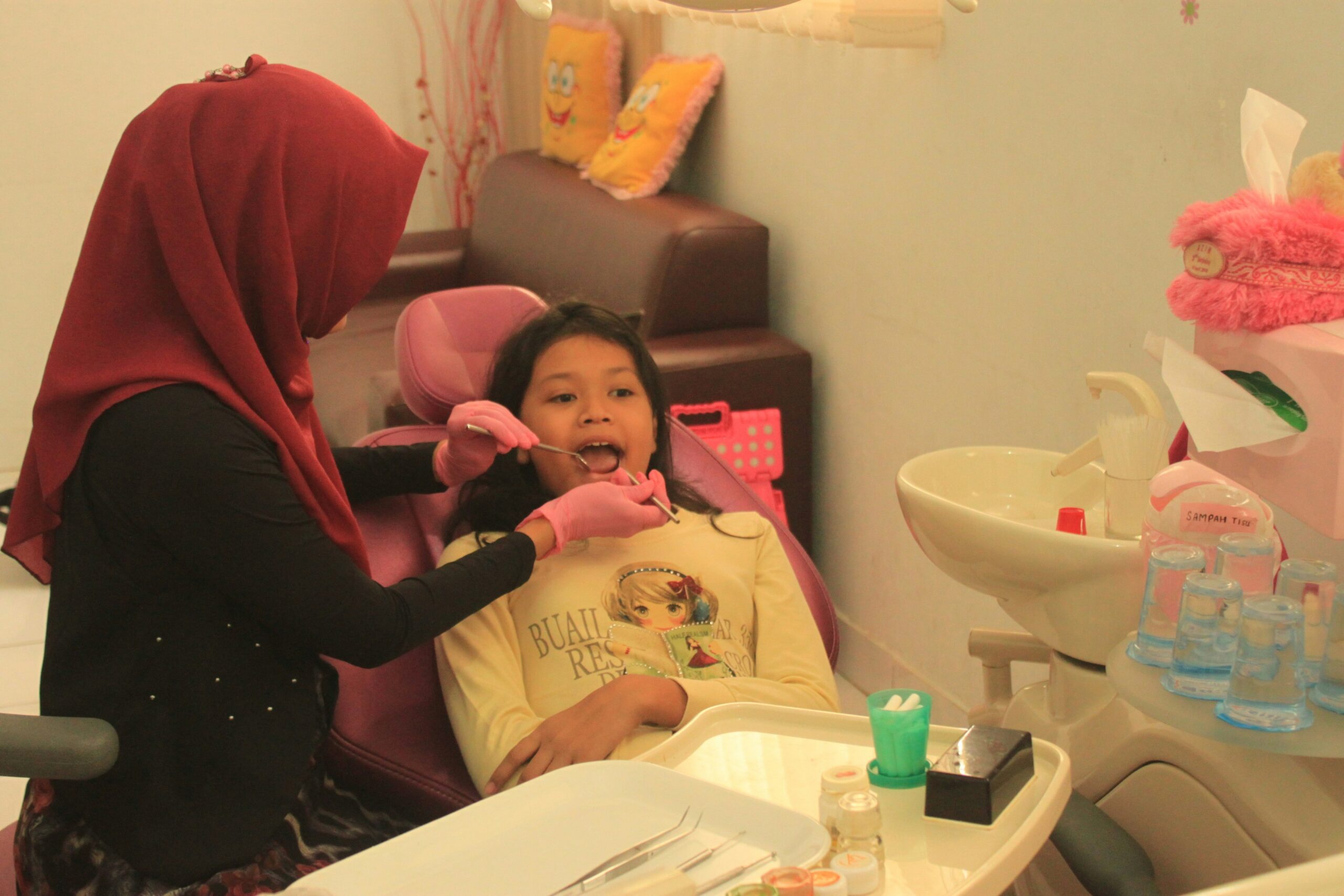 Starting dental visits early in life can make a significant difference in a child’s long-term oral health. The first visit is an important milestone, setting the foundation for a lifetime of good dental habits. For many parents, preparing a child for their first dental visit can be challenging, especially if the child is nervous about new experiences.
With the right approach, you can ensure the visit is a positive one, helping them to see the dentist as a friendly partner in taking care of their smile.
Why Early Dental Visits Matter
Dental health plays a key role in a child’s development. By establishing a relationship with a dentist early on, parents can catch potential issues before they become serious, ensuring healthy growth and development. Early visits also allow the dentist to offer tailored advice on brushing, diet, and other habits to prevent common issues like cavities and gum disease.
The recommended age for a first visit is often around a child’s first birthday or six months after their first tooth emerges. Early check-ups give children a sense of familiarity with the dentist and reduce any fears they may have in the future. Regular visits also teach children that dental care is a normal part of life, just like visiting the doctor.
Tips for a Smooth First Visit
Making the first dental visit a pleasant experience is essential for building a positive attitude towards dental care. Here are some key steps that can help:
- Choosing the Right Practice
Selecting a family-friendly dental practice can make all the difference. Many practices, like Horsley Dental Practice in Leatherhead, are experienced in caring for children and offer a welcoming environment designed to make young patients feel comfortable. A supportive practice can help both parents and children feel at ease, making the experience far less intimidating. - Setting Expectations
Preparing your child by explaining what a dental visit involves can reduce fear of the unknown. You could say, “The dentist is going to count your teeth and see how bright your smile is.” Keep descriptions simple and positive, and avoid using words that may create anxiety, such as “hurt” or “pain.” - Familiarisation with the Dentist’s Environment
If possible, consider a quick visit to the practice beforehand. Letting your child meet the staff, explore the waiting area, and even see the dental chair can help them feel more comfortable on the day of the actual appointment. Some dental practices offer virtual tours on their websites, which can also be a helpful tool for familiarising children with the office environment.
How Parents Can Support Good Oral Health at Home
Building good habits at home will reinforce the importance of dental care beyond the dentist’s office. A consistent routine helps children understand that dental health is essential.
Begin brushing your child’s teeth as soon as they emerge. Use a soft brush and a small amount of fluoride toothpaste, and make brushing a daily activity. Around age three, children can start brushing their teeth with supervision. Flossing is also important as soon as two teeth touch. Establishing these habits early will make them second nature as they grow.
Encourage brushing by turning it into an enjoyable activity. You could play a favourite song while brushing, use a timer, or even download a child-friendly brushing app. Fun toothbrushes featuring their favourite characters or colours can also be motivating.
Addressing Common Fears or Anxieties
It’s normal for children to feel apprehensive about their first visit. Preparing ahead can alleviate some of these concerns, but it’s also important to respond to any fears they express.
- Open Conversations About Fear
Listen to your child’s concerns and acknowledge their feelings without reinforcing them. Avoid negative words, but be honest. Say things like, “The dentist will just have a look in your mouth, and you might feel a little tickle.” Being honest but reassuring helps children feel safe. - Talking with the Dentist
Mention any specific fears to the dentist beforehand. Most children’s dentists are skilled at making their young patients comfortable and have various strategies to ease any anxiety. Letting the child bring a comforting item, like a favourite toy or blanket, can also help make them feel more secure.
Conclusion
Preparing a child for their first dental visit can set a positive tone for their ongoing dental care journey. By approaching the experience with patience and positivity, parents can make a potentially intimidating event feel familiar and friendly. Choosing a welcoming, family-friendly dental practice, introducing a strong oral hygiene routine, and addressing any fears with sensitivity are all key to making dental care a normal, stress-free part of life.
Encouraging good dental habits early on helps children understand that taking care of their teeth is essential for a bright, healthy smile. With a little preparation, your child’s first dental visit can be a step towards a lifetime of confident, healthy smiles.