How to Prepare for A Colonoscopy Procedure
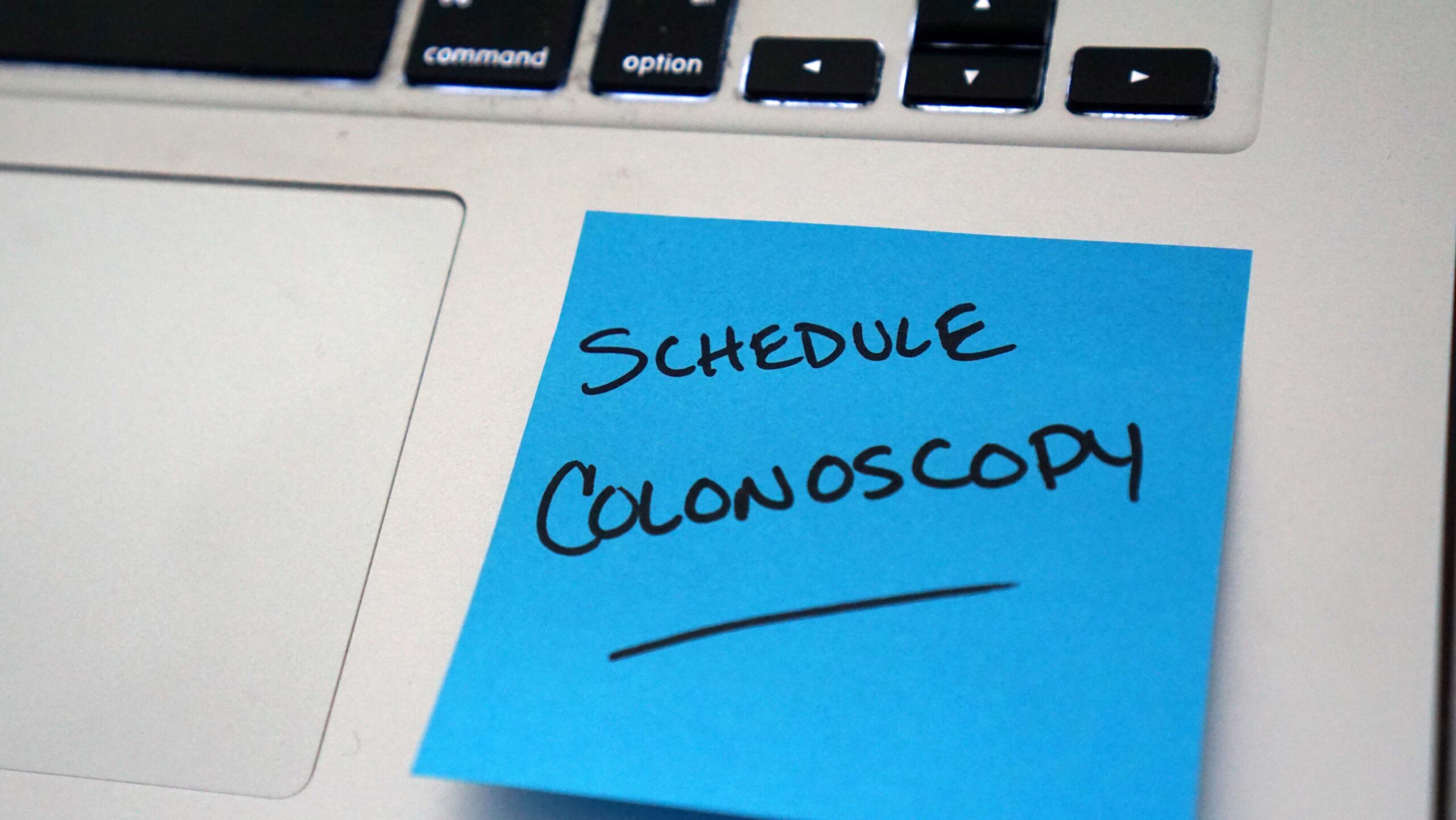 A colonoscopy is an important medical procedure that helps doctors examine the inside of the colon and detect any abnormalities, such as polyps or early signs of cancer. While the idea of preparing for this procedure can seem overwhelming, with the right steps, it can be much more manageable. Proper preparation is key to ensuring that the colonoscopy goes smoothly and that accurate results are obtained.
Read this article to learn how to make the entire process less stressful and more effective.
Understanding the Procedure
Before going into the preparation steps, it’s helpful to understand what a colonoscopy involves. During the procedure, a long, flexible tube with a camera at the end is inserted into the rectum to view the entire colon. This allows doctors to see any issues that might not be visible through other tests. The process usually takes between 30 minutes to an hour, and patients are often sedated to ensure comfort throughout.
Step 1: Consult Your Doctor
Your doctor will give you specific instructions regarding how to prepare for the colonoscopy Singapore appointment, and these may vary depending on your individual needs. Some people may need to adjust their medications before the procedure, especially if they are taking blood thinners or insulin. It’s crucial to share your full medical history with your doctor to avoid any complications during or after the colonoscopy. For example, if you have diabetes or heart conditions, your doctor might suggest special preparation plans.
By ensuring that your doctor is fully informed about your health, you’ll reduce the risk of any unexpected complications during the procedure.
Step 2: Dietary Adjustments Before the Procedure
Preparing for a colonoscopy typically starts a few days before the procedure with changes to your diet. This step is necessary to empty the colon so the doctor has a clear view during the exam. About three days before the colonoscopy, it’s recommended to avoid high-fiber foods such as raw vegetables, fruits, nuts, and whole grains. Instead, focus on low-fiber options like white bread, lean meats, and eggs. Fiber can leave residue in the colon, which might obscure the doctor’s view.
On the day before the procedure, you will be instructed to go on a clear liquid diet. This diet may include water, clear broth, tea, or clear juices without pulp. It’s important to avoid any liquids that are red or purple, as they might look like blood in the colon during the examination.
Step 3: Take the Prescribed Laxative
One of the key parts of colonoscopy preparation is taking a laxative to fully empty the colon. This is typically done the day before the procedure and may involve drinking a solution or taking a series of tablets. Some patients find this step to be the most challenging, as the laxative often causes frequent bowel movements and discomfort. However, completing this step is critical because an improperly cleaned colon can prevent the doctor from getting accurate results, which might lead to the procedure being repeated.
An example of a common laxative schedule might be taking half the prescribed dose the evening before and the other half the morning of the procedure. Following the laxative instructions carefully is crucial for a successful colonoscopy.
Step 4: Stay Hydrated
As you prepare for your colonoscopy, it’s essential to stay hydrated. Since you’ll be consuming a clear liquid diet and taking laxatives, dehydration can occur quickly. Drinking water, sports drinks (without red or purple coloring), and clear broth can help keep your body hydrated and reduce feelings of weakness. Some people find it helpful to drink electrolyte solutions, as these can help replenish the salts and minerals lost during the preparation process.
By maintaining hydration, you can also make the bowel-cleansing process more comfortable and reduce side effects like dizziness or fatigue.
Step 5: Arranging Transportation
Because sedation is commonly used during a colonoscopy, it is important to arrange for someone to drive you home afterward. The sedation will make you feel groggy and slow down your reaction time, so driving or using public transportation on your own is not safe. Whether it’s a family member, friend, or hired service, having transportation arranged in advance will allow you to focus on your recovery after the procedure.
Some patients also appreciate having someone with them during the procedure day for emotional support and to assist with any post-procedure instructions from the doctor.
Step 6: Preparing for Aftercare
After the procedure, most patients recover quickly, but it’s normal to experience mild discomfort such as bloating, gas, or cramping. This is due to the air used to inflate the colon during the procedure. Most of these symptoms will go away within a few hours. Taking it easy for the rest of the day is recommended. Avoiding heavy meals and sticking to easily digestible foods like soup or crackers can help ease your recovery.
Make sure to follow any aftercare instructions provided by your doctor, including when to resume regular medications and when it’s safe to eat normally again. If you notice any concerning symptoms, such as excessive bleeding or severe pain, contact your healthcare provider immediately.

Conclusion
Preparing for a colonoscopy may seem daunting at first, but with the right approach, it becomes a manageable process that plays a vital role in maintaining your health. By consulting with your doctor, following the dietary and laxative instructions, staying hydrated, and arranging for transportation, you can help ensure that the procedure goes smoothly. Colonoscopies are an essential tool in preventing serious conditions like colon cancer, so taking the time to prepare properly is well worth the effort.