How To Potty Train A Toddler With Autism: A Helpful Guide
Potty training can be a real rollercoaster ride for any parent. But, when you’re tackling it with a toddler on the autism spectrum, the challenge level gets cranked up a notch. Suddenly, you might feel like you’re in an uncharted territory, unsure of how to approach the situation in a way that resonates with your child’s unique needs and abilities.
Thankfully, with a bit of preparation, patience, and a whole lot of positivity, potty training your little one with autism is absolutely achievable. So, read on to learn some practical strategies and tips that’ll make the potty-training journey a little smoother for both you and your kiddo.

Understand Your Child’s Needs
First things first, take a step back and consider your child’s unique perspective. Children with autism often experience the world differently and the bathroom can be a sensory overload zone for them. Bright lights, loud noises, and the toilet’s texture can be too much for them. They might also struggle with communication, making it difficult to express their needs.
That’s where techniques like ABA toilet training protocol can be a total lifesaver. For starters, the Applied Behavior Analysis (ABA) toilet training protocol is a unique approach that involves breaking down the potty-training process into smaller, more manageable steps. This technique also emphasizes the importance of positive reinforcement and using visual aids to create a supportive environment that caters to your child’s special needs.
Ultimately, it might take some patience and creativity to find the right approach, but the payoff of seeing your little one master this important milestone will be worth every bit of effort.
Create a Sensory-Friendly Bathroom
You want to make the bathroom a welcoming, sensory-friendly space for your little one during this potty-training journey. Start by swapping out those harsh, bright lights for some softer, more soothing bulbs. Then, invest in a cozy potty chair with a familiar design or a toilet seat reducer featuring their favorite cartoon character. This’ll help them feel more at ease and associate the potty with something fun.
Another tip? Try playing some calming music or white noise to drown out any bothersome sounds that might be overwhelming and trigger their sensory issues. You could even pop in a pair of noise-canceling headphones if things get too intense. The goal here is to create a relaxing, distraction-free zone where your kiddo can focus on mastering this new skill without sensory issues.
Maximize The Power of Visuals
Create a simple picture chart that breaks down the whole routine into easy-to-understand steps: sitting on the potty, wiping, hand washing, and feeling that sense of accomplishment.
Keep the pictures clear and the text short and straightforward. Think simple action words that’ll click with your child. Once you’ve got your chart ready, hang it up near the toilet or potty chair so it’s always within eyesight. That way, your little one can refer to it whenever they need a gentle reminder of what comes next in the process.
Build Positive Associations
Make potty time a fun and positive experience for your child and not just another chore to dread. Read some potty-themed books together, or come up with a silly song all about going potty that’ll have you both cracking up. You could even let them decorate the bathroom with their favorite stickers or temporary wall decals. An additional tip, give them a sense of ownership by letting them pick out their “big kid” underwear. Just be sure to have some leakproof backups on standby for any accidents.
Always Communicate
Every autistic toddler has their own unique communication style, so it’s all about finding an approach that clicks with your child’s strengths. If they’re nonverbal, try using simple picture cards with clear symbols for “potty” and “wet”. Or, teach them some easy signs like grabbing their pants or pointing to the toilet when they need to go.
The key is to meet them where they’re at and not to get frustrated if they can’t verbalize their needs right away. Just celebrate any and all communication efforts with tons of positive reinforcement. Over time, those successes will start adding up and potty training will feel like less of a guessing game for both of you.
Look Out For The Potty Dance
Many autistic children thrive best when they have predictable routines, and you can apply the same technique during their potty training. Try taking them to the bathroom every two hours or so, as well as right after they’ve had something to drink. And be sure to stay consistent with their potty training routine!
You’ll also want to stay on the lookout for their own personal “potty dance” or those little telltale signs that they need to go, like fidgeting, grabbing at their diaper, or making unusual facial expressions. Once you get familiar with their unique visual cues, you can swoop in and get them on the potty before any accidents happen.
Accept that Accidents Happen
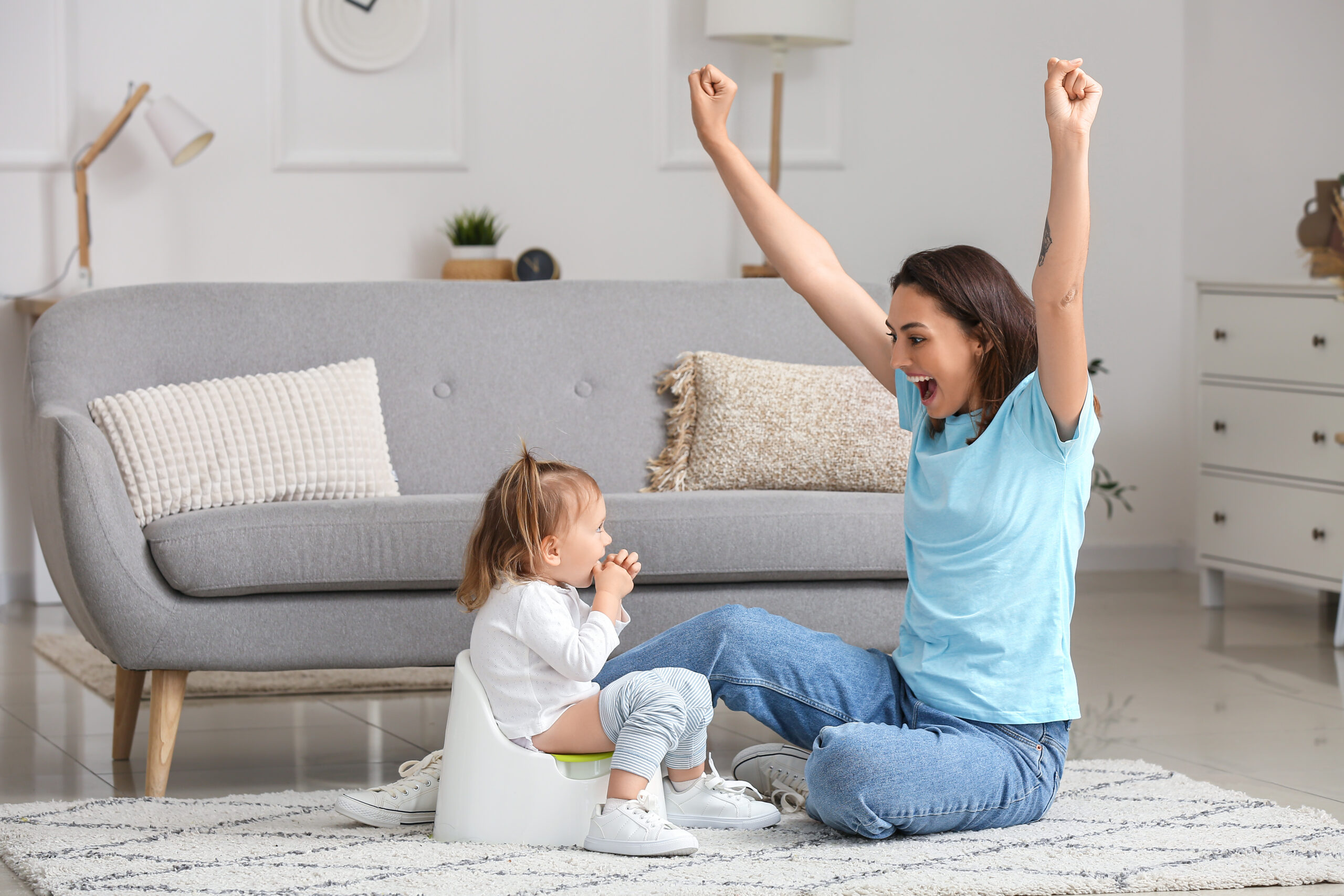
Accidents are inevitable, and that’s perfectly alright! Stay calm, clean up without fuss, and gently remind your child about using the potty. Avoid scolding or punishment, as these can create negative associations.
Reward Success
Positive reinforcement is a powerful tool. Celebrate successful potty attempts with enthusiastic praise, high fives, or a sticker on their reward chart. You can even introduce small, tangible rewards like a favorite toy or a special snack, but gradually phase them out as potty-training progresses.
Practice Patience and Consistency
Remember, the potty training process takes time, and the journey might not be linear. There will be setbacks and days when progress seems slow. Be patient, consistent, and celebrate every small victory. More importantly, everyone involved in your child’s life, from caregivers to family members, should follow the same potty routine and communication strategies.
Seek Professional Help
If you’re feeling overwhelmed or unsure about any aspect of potty training children, don’t hesitate to seek professional help. Talk to your child’s pediatrician or a therapist specializing in autism. They can provide personalized guidance and support to ensure a smooth potty-training journey for both you and your child.
Takeaway
Potty training a child with autism may require some extra effort and creativity, but with the right approach, it’s definitely achievable. Soon enough, those diapers will be a distant memory, replaced by the pride and confidence of a potty-trained toddler!