How To Manage Your Child’s Sick Days

Signs That Your Child Is Sick
Recognizing when your child is sick involves watching for specific signs and symptoms that indicate illness. Here’s a guide to help you determine if your child might be unwell:
- Fever: One of the most common signs of illness in children is a fever. A temperature of 100.4°F (38°C) or higher is generally considered a fever. Digital thermometers provide an accurate reading and can help you monitor your child’s temperature.
- Changes In Behavior: Look for any significant changes in your child’s behavior. This can include increased irritability, lethargy, or a decrease in activity level. A child who is unusually sleepy, unresponsive, or less playful than usual might be ill.
- Appetite Loss: A sudden decrease in appetite or refusal to eat is a common sign of illness. While it’s normal for appetite to fluctuate, a significant or prolonged change can indicate that your child isn’t feeling well.
- Physical Symptoms: Watch for physical signs such as a runny nose, cough, sore throat, vomiting, diarrhea, or unusual rashes. These symptoms are often indicative of common childhood illnesses.
- Pain: If your child complains of pain or discomfort, such as a headache, stomachache, or sore throat, it could be a sign of illness. Children who are too young to verbalize might cry more than usual or react negatively when a certain part of their body is touched.
- Altered Sleeping Patterns: A sick child might sleep more than usual or have trouble sleeping. Disruptions in normal sleep patterns can be a sign of illness.
- Breathing Difficulties: If your child is breathing faster than usual, seems to be working harder to breathe, or is wheezing, it could be a sign of a respiratory infection or other serious conditions.
- Changes In Skin Color: Pale or flushed skin can accompany many illnesses. Similarly, the appearance of yellowing skin (jaundice) can indicate other health issues.
- Decreased Fluid Intake: Skipping fluids can be a red flag, especially if your child also has a fever or other signs of being unwell.
- Unusual Crying Or Whining: If your child cries a lot more than usual, especially if it seems like they’re in pain or discomfort, it could be a sign of something going on that needs attention.
Don’t ignore these symptoms, especially if they last a while or get worse. See a doctor to find out what’s going on and get the best treatment for your child. Catching things before they get worse can prevent bigger problems and help your little one feel better faster.
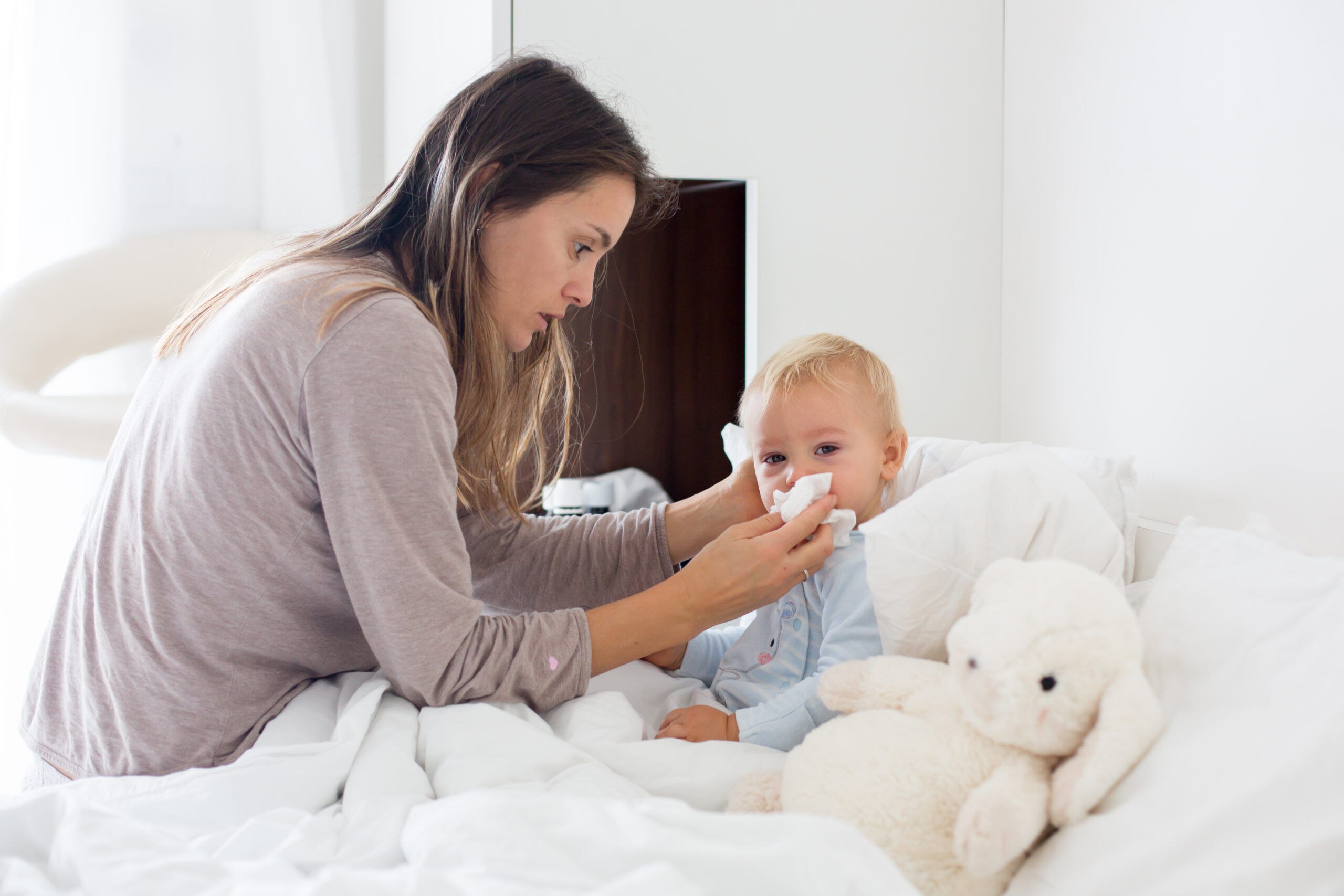
Tips For Managing Your Child’s Sick Days
Whether it’s a common cold or something more serious, each situation needs to be handled with understanding and strategy. Below are some practical tips to help you navigate these challenging times effectively.
1. Spot Sickness Early
Every child has their own unique personality and energy levels. Pay attention to their usual behavior, appetite, and sleep patterns. This helps you identify early signs of illness, like a decrease in activity or unusual crankiness.
A fever is a common sign of illness, but not always. Keep a digital thermometer handy to check for fever accurately. However, a fever alone doesn’t necessarily mean a trip to the doctor. Look for additional symptoms like chills, sweating, or discomfort.
You know your child best. If something feels off, even if there are no obvious symptoms, don’t hesitate to reach out to a healthcare provider. It’s always better to be safe than sorry.
2. Get The Right Care
Websites like idahofallscommunityhospital.com can be a helpful starting point. They offer guidance on common childhood illnesses and can help you connect with local doctors or pediatricians.
Consider telemedicine if you’re unsure if an in-person visit is necessary. This allows you to get expert advice from the comfort of your home, especially helpful for situations like mild coughs or congestion.
Don’t be afraid to ask questions! Clearly understand the doctor’s diagnosis, treatment plan (including medication dosages and timings), and any follow-up steps needed.
3. Keep Your Child Home
A fever, vomiting, diarrhea, or simply feeling too unwell for school activities are all signs your child should stay home. This not only minimizes the risk of spreading the illness to others but also allows them the rest they need to recover.
Most schools require children to be fever-free for 24 hours before returning. Inform the school about your child’s illness and inquire about missed assignments.
4. Create A Cozy Recovery Zone
Choose a quiet, well-ventilated room with natural light if possible. This creates a calming environment conducive to rest and recovery.
Stock the space with tissues, a cool-mist humidifier (if needed), a thermometer, and plenty of fluids. You might also want to keep a bowl and washcloth nearby in case of nausea or vomiting.
The blue light emitted from electronic devices can disrupt sleep. So, encourage quiet activities like reading, coloring, or listening to audiobooks instead.
5. Hydrate And Prepare Light Meals
Dehydration can worsen illness. Offer plenty of fluids like water, diluted fruit juices, or electrolyte solutions. Popsicles or ice chips can be a good option for younger children who might struggle with plain water.
Spicy, greasy, or heavy foods can irritate the digestive system. Opt for bland, easy-to-digest meals like broths, soups, yogurt, applesauce, or toast. As your child starts feeling better, gradually reintroduce more complex foods.
More importantly, they might not have a big appetite, so offer smaller portions more frequently throughout the day. This ensures they get the nutrients they need to recover without overwhelming their stomach.
6. Use Medication Safely
Never give your child more or less medication than prescribed by the doctor. Always adhere to the recommended dosage and frequency. This helps you track what medications were given and when. It also helps avoid accidental overdoses.
Keep all medications out of reach of children in a locked cabinet or high shelf. More importantly, dispose of expired medications safely according to local guidelines.
Understanding the potential side effects of the medication helps you monitor your child’s reaction. If you notice any concerning side effects, contact your doctor immediately.
7. Keep Up With Schoolwork
Don’t let illness derail your child’s education. Talk to the school about getting missed assignments sent home or accessed online. This helps them stay caught up with the material and minimizes learning gaps.
Break down large assignments into smaller, more manageable tasks. This makes the workload less daunting and allows your child to focus on completing them in short bursts of energy.
If possible, designate a separate area from the resting space for schoolwork. This helps create a clear distinction between rest and learning time.
8. Track Progress
Keep a record of your child’s symptoms, temperature readings, medications administered, and any changes in their overall health. This detailed information is invaluable during follow-up appointments with the doctor and helps them assess your child’s progress.
There are health apps available that can simplify tracking symptoms and medications. These apps can send reminders and help ensure you don’t miss any important details.
9. Teach Good Hygiene
Washing hands is like giving those pesky germs the slip! Don’t forget to wash your hands before you eat something, after using the potty, and after blowing your nose! To make it more fun, you can sing your favorite song while you lather up with soap. You can also pick out a cool-colored soap dispenser together.
Place posters or stickers in key locations around the house, like bathrooms and the kitchen sink, to serve as visual reminders for proper handwashing techniques.
Additionally, teach your child to cough or sneeze into their elbow or a tissue and to dispose of the tissue properly afterward. This helps prevent the spread of airborne germs.
10. Comfort Your Little One
Children feel scared and isolated when they’re sick. Let your child know you’re there for them by offering physical comforts like cuddles and hugs. Be present and listen actively to their concerns and anxieties.
Engage your child in calming activities that don’t require a lot of energy. Read them stories, sing soothing songs, or put on calming music. You can also offer quiet playtime with favorite stuffed animals or comfort objects.
Stick to familiar routines whenever possible, especially bedtime routines. This sense of normalcy provides comfort and security for a child who might be feeling unwell.
Plan For Work Absence
Familiarize yourself with your employer’s family leave policies and sick child leave options. This helps you understand your rights and plan accordingly.
Talk openly with your employer about your child’s illness and the potential need for your absence. Explain the situation and explore options for managing your workload remotely if possible.
If you anticipate needing to stay home with your child, try to prepare work tasks in advance to minimize disruption. This shows initiative and responsibility to your employer.
Managing Recurrent Illnesses
For children with chronic conditions like asthma, collaborate with healthcare providers to develop a proactive management plan. This plan should outline medication schedules, symptom management strategies, and potential triggers to avoid.
Educate caregivers, teachers, and anyone else who regularly interacts with your child about their condition. Share the action plan and ensure everyone understands the signs and symptoms to watch for.
Schedule regular check-ups with your child’s doctor to monitor their condition and adjust treatment plans as needed. This proactive approach helps manage symptoms effectively and promotes your child’s long-term health.
Takeaway
Being prepared is key to conquering sick days. From spotting symptoms early to keeping lines of communication open with school and work, you can get a head start. Creating a cozy space for recovery, staying up-to-date on medication, and keeping your child learning (even if it’s at home) can minimize stress for everyone. By being proactive and responsive, you can help your child feel better faster and manage these days with less worry.