
How to know whether your family is ready for its first ski trip
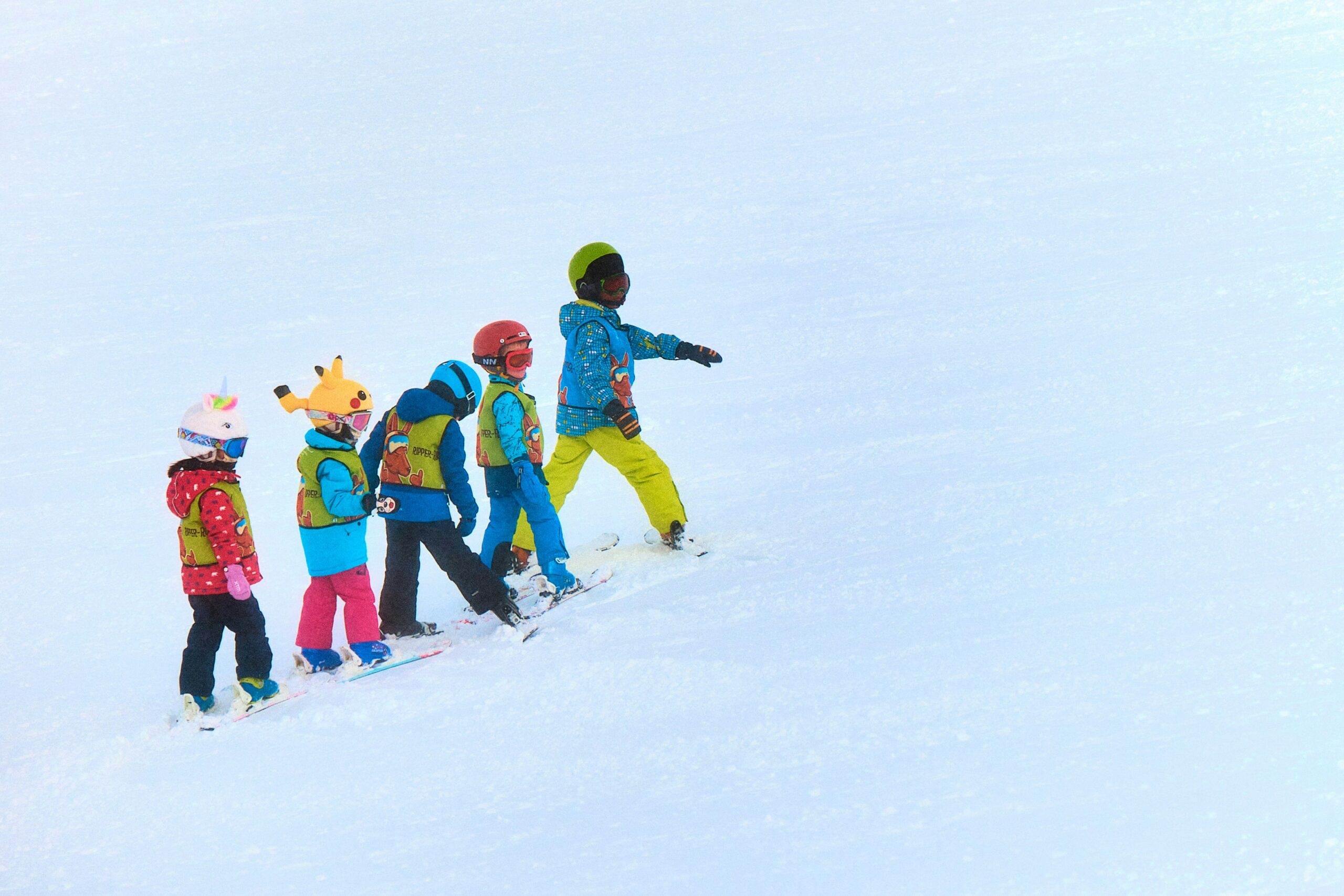
A first trip to the mountains can feel like a wonderful family adventure and a rather expensive leap into the unknown at the same time. Primary-school-aged children often have the balance, stamina and curiosity to enjoy learning, but age alone cannot tell you whether the timing feels right. Readiness shows up in ordinary moments instead: how your child handles unfamiliar clothes, responds to small setbacks and copes when another adult takes charge. A little testing before you book can reveal far more than an enthusiastic yes after watching skiers on television.
Start with the everyday practical test
Think about what your child will manage before they even reach the nursery slope. They need to wear several layers without becoming distressed, walk in stiff boots and keep track of gloves while navigating breakfast, toilets and lesson drop-off in unfamiliar surroundings. They don’t need to dress perfectly by themselves, but they should communicate clearly when something hurts, feels cold or becomes too much.
Stamina matters, although you should not expect a seven-year-old to ski from first lift to last. A child who can enjoy an active morning, stop for food and recover after a rest will usually cope better than one who finds busy days overwhelming.
Travel also forms part of the test, of course. A very early flight followed by a long transfer can use most of a child’s patience before they even see snow. My honest account of taking younger children skiing in Méribel for the first time shows how exciting the experience can feel, while also acknowledging its very much very real physical demands.
Test the novelty before committing
Before browsing beginner-friendly family ski holidays, arrange one local trial. Snowdomes and dry slopes are excellent places where you can get your first taste of snowsports without travelling abroad. One introductory lesson won’t turn your child into a skier, but it will show you how they react to sliding and falling.
You can begin at home by borrowing or hiring winter clothing and asking your child to put on base layers, salopettes, a jacket and gloves. Then let them move around for a while! If they immediately hate the restriction, you can work out whether the problem involves an awkward garment, overheating or the whole sensation of bulky clothing.
During the slope session, watch what happens after the initial excitement fades. A ready child doesn’t have to look fearless or naturally talented. The most useful question comes afterwards anyway: would they like another session?
Emotional readiness is as important as physical ability
Skiing asks children to be beginners in public. They will watch others move faster, misunderstand instructions and occasionally land in the snow. A cautious response doesn’t mean they lack readiness; many careful children thrive with a patient instructor and predictable lessons. More important signs include accepting support, recovering from manageable frustration and describing what worries them.
Consider separation too. Some primary-school children happily enter school each morning but still feel uneasy joining an unfamiliar instructor in another country. Explain that the teacher will help a small group learn through simple exercises and that you will return at an agreed place and time. Avoid promising that they will master a particular run by the end of the week, though!
Current guidance from the Ski Club of Great Britain suggests that group lessons can suit sociable children who like a structured programme, while private tuition offers greater flexibility for nervous learners or those who need a different pace. Neither format automatically works better, but the right choice should reflect your child’s personality.
Choose a first trip that removes unnecessary difficulty
Once the local test goes well, focus on the practical layout of the resort. Gentle beginner terrain should sit close to ski school, and your accommodation shouldn’t require a long uphill walk with equipment. A short transfer and somewhere warm near the meeting point will save energy that children can use on the snow.
My guide to simple family skiing in pedestrianised Val Thorens shows why nursery areas, magic carpets (yes, magic carpets) and nearby accommodation matter a lot for beginners. You absolutely don’t need the largest possible ski area for a first visit. What you do need is a manageable daily routine and alternatives such as swimming, sledging or a relaxing afternoon when enthusiasm temporarily disappears.


