How to Encourage Inclusivity in Your Children
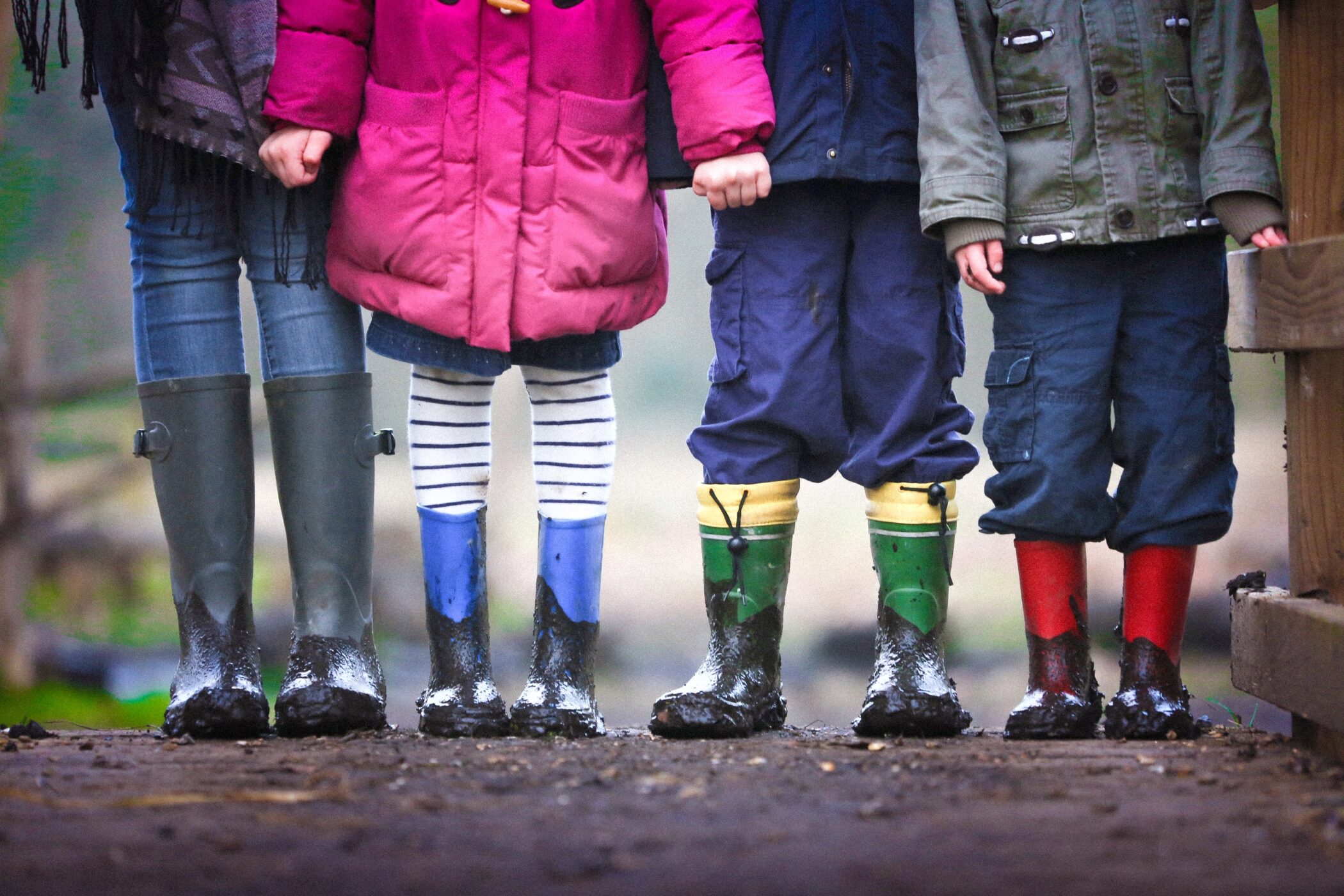 Raising kids to be inclusive, empathetic individuals is key to creating a more loving and accepting society. Yet, encouraging these characteristics in young children often proves tricky for parents. How do you address topics like race, ethnicity, disabilities, religion and sexuality in a way your little ones will understand?
Luckily, there are plenty of resources and ideas to help you introduce these and other tough subjects. Use the tips below to further encourage a spirit of acceptance and inclusivity in your children so that no one is excluded, marginalized or left out.
- Explain Differences
Do you notice someone with disabilities and quickly avert your eyes? Maybe your child avoids or ignores these people, too. Unfortunately, this approach is more ostracizing than inclusive and can leave others feeling like the odd one out.
Instead of turning a blind eye, try explaining the person’s condition to help your kids understand why they look or behave differently. You might even include the other person in the conversation to avoid making assumptions and encourage your children to connect with others and ask questions.
- Read DiverseBooks
Reading diverse children’s books can teach your kids about acceptance and inclusivity, too. Luckily, there are plenty of good reads to choose from these days, so there’s a way to broach even the touchiest subjects.
Meet your little ones on their level with characters and storylines they can relate to. Introduce a wide variety of topics including race, religion and even sexual orientation in a digestible, child-friendly way and learn how to be more accepting together. Remember to choose age-appropriate books so your kids can read along with you and find actionable ways to apply the lessons to their own lives.
- Support Individuality
Everyone has something special and unique to offer the world, no matter who they are. Once your child recognizes this simple truth, they’ll begin to see their own value and why it’s so important to embrace differences. Each person’s appearance, personality, beliefs, interests and quirks bring something new to the table that no one else can duplicate.
Therefore, it’s best to just be yourself and give others the space to do the same. Teaching your kids to recognize everyone’s innate worth will support individuality and make them less likely to socially reject others.
- Teach Healthy Values
Some kids try so hard to fit in that they forget that being in the “in crowd” isn’t all it’s cracked up to be. Most — if not all — cliques have a tendency to exclude and reject others based on superficial factors like appearances and belongings, behaviors that are anything but inclusive.
Instead of focusing on shallow standards and fitting in, redirect your kids’ attention to values like kindness, respect and empathy. Teach them what constitutes a healthy friendship and help them develop thoughtfulness and inclusivity by rejecting in-crowd ideas and reaching out to everyone, regardless of their social status.
- Be anAdvocate
Does your child’s school encourage diversity? Talk to your kids’ teachers to determine whether the classroom, lunchroom and playground are safe, inclusive spaces for students to connect and engage. If policies, procedures and equipment fail to create a healthy learning environment, stand up for those affected and advocate for change.
Petition to upgrade playground equipment, fundraise for new classroom tools and arrange protests if the school refuses to make reasonable changes. These brave and inclusive efforts will teach your little ones to stand up for others who can’t stand up for themselves so that everyone is safe, happy and thriving at school and beyond.
- Monitor Online Activity
If your child is engaging with mean kids online, odds are they’re doing so in person. That’s why it’s so important to monitor your kids’ online activity. Who are they chatting with late at night? What kinds of posts do they share and like? Even if your little ones never post anything that directly ostracizes others, remind them that engaging with mean sentiments is just as hurtful as making an original post.
Help your children cut ties with followers and friends that spread negativity and judgment. Ideally, they’ll stop following mean influencers altogether. However, it might take some time and guts, especially if your kids fear retaliation or the idea of missing out. Be patient as they learn to disengage from these unhealthy online relationships.
- Cast a WideNet
The more inter-racial and inter-ethnic experiences you have, the less likely you are to make generalizations and stereotype other people groups. On the flip side, the more diverse your kid’s friend group is, the more likely they’ll be to adopt an open and inclusive mindset.
Cast a wide net and help your children seek out friendships in various places like church, school, sports teams, clubs and their neighborhood. Encourage them to get involved, volunteer and develop meaningful relationships with those around them. In doing so, they’ll learn to be more accepting of others and sharpen their teamwork and communication skills, which can help them lead more successful empathetic lives as adults.
Monkey See, Monkey Do
Your children are always watching you and will often imitate your behavior — for better or worse. Make sure they’re copying positive, inclusive habits and interactions by taking a closer look at your own friend group. Does everyone in your social circle look just like you? How do you interact with people who have different beliefs or personal interests?
Reflecting on your own relationships and developing a more open-minded and accepting personality will help you to be a better role model for your kids. If you set a good example, they’ll grow up to be just as accepting and compassionate as you.