How to Decorate a Foster Child’s Bedroom
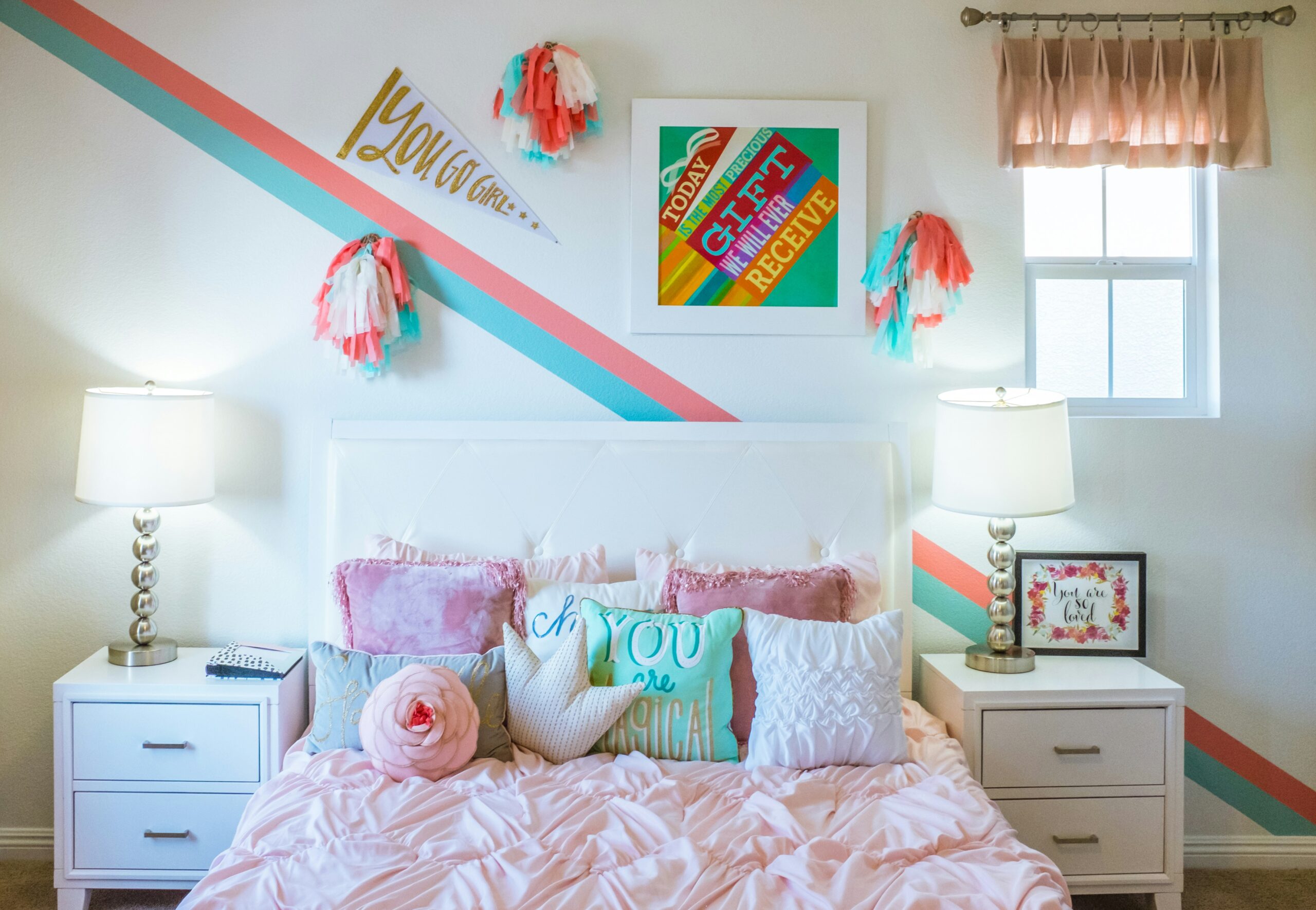 Becoming a foster carer and welcoming a child into your home is an incredibly rewarding experience. While foster children will appreciate having a safe, comfortable place to stay, making their bedroom feel like their own space is important, too. Here are some tips for decorating a bedroom for a foster child.
Make it Comfortable and Homey
When decorating a foster child’s bedroom, it’s important to make it feel warm, comfortable and homey. After all, this space needs to provide a sense of security and belonging for the child. Start by choosing cosy bedding and soft furnishings. Opt for neutral colours like tan, grey or denim blue to create a calming atmosphere. Add texture with cushions, rugs and blankets to make it extra snuggly. Don’t forget lamps and fairy lights to create a relaxing ambience for bedtime. Having comfy seating like beanbags or a chair with cushions also invites the child to relax in their new space.
Personalise it for the Child
While neutral colours create a calm base, adding personal touches for the specific child makes the room truly theirs. If possible, find out the child’s interests beforehand, like favourite colours, animals, sports teams or TV shows. Then include bedding, wall art, toys or accessories featuring those. For example, if they like football, hang some posters of their favourite team. If they love science, add robot or galaxy bedsheets. Having familiar things from home, like photos or favourite stuffed animals, can also make it more comfortable. Let the child pick some decorative items themselves so they feel involved. For advice on allowances to furnish the room, check out orangegrovefostercare.co.uk.
Add Storage
Children, and especially teenagers, accumulate a lot of stuff. Providing sufficient storage avoids clutter overwhelming the limited space. Built-in wardrobes, shelving, cabinets, toyboxes and fabric boxes or baskets fit plenty of possessions neatly. Make sure they can access everything easily. Sturdy plastic stacking drawers or crates work for under-bed storage, too. Getting matching sets with the same colours and textures keeps things coordinated.
Include a Work Area
Foster children often have schoolwork to do, so include a suitable work area. A desk and chair set works well for studying and using a laptop. Make sure they sit comfortably. Add a desk lamp, pencil cup and trays to organise school supplies. Pinboards are great for displaying their work and schedules. Provide adequate shelving for books, files and stationery. If space is limited, fold-down desks or portable lap desks can create a flexible work area.
Think Long Term
While decorating for the current foster child, remember that others may use the room in future. Avoid overly personalised details like their name on the wall. Opt for a flexible layout that adapts easily over time. Use furniture like beds, desks and storage that transition between ages and styles. Select neutral wall colours and classic flooring. Then, switch out soft furnishings, artwork and accessories as needed when occupancy changes. This makes refreshing the room quicker and more affordable.
Creating a warm, welcoming bedroom is so important for a foster child joining a new household. Decorating the space with care helps them feel comfortable, secure and valued as part of the family. With some thoughtful touches, their new bedroom can become a cherished home of their own.