How to Create a Low-Maintenance Outdoor Space
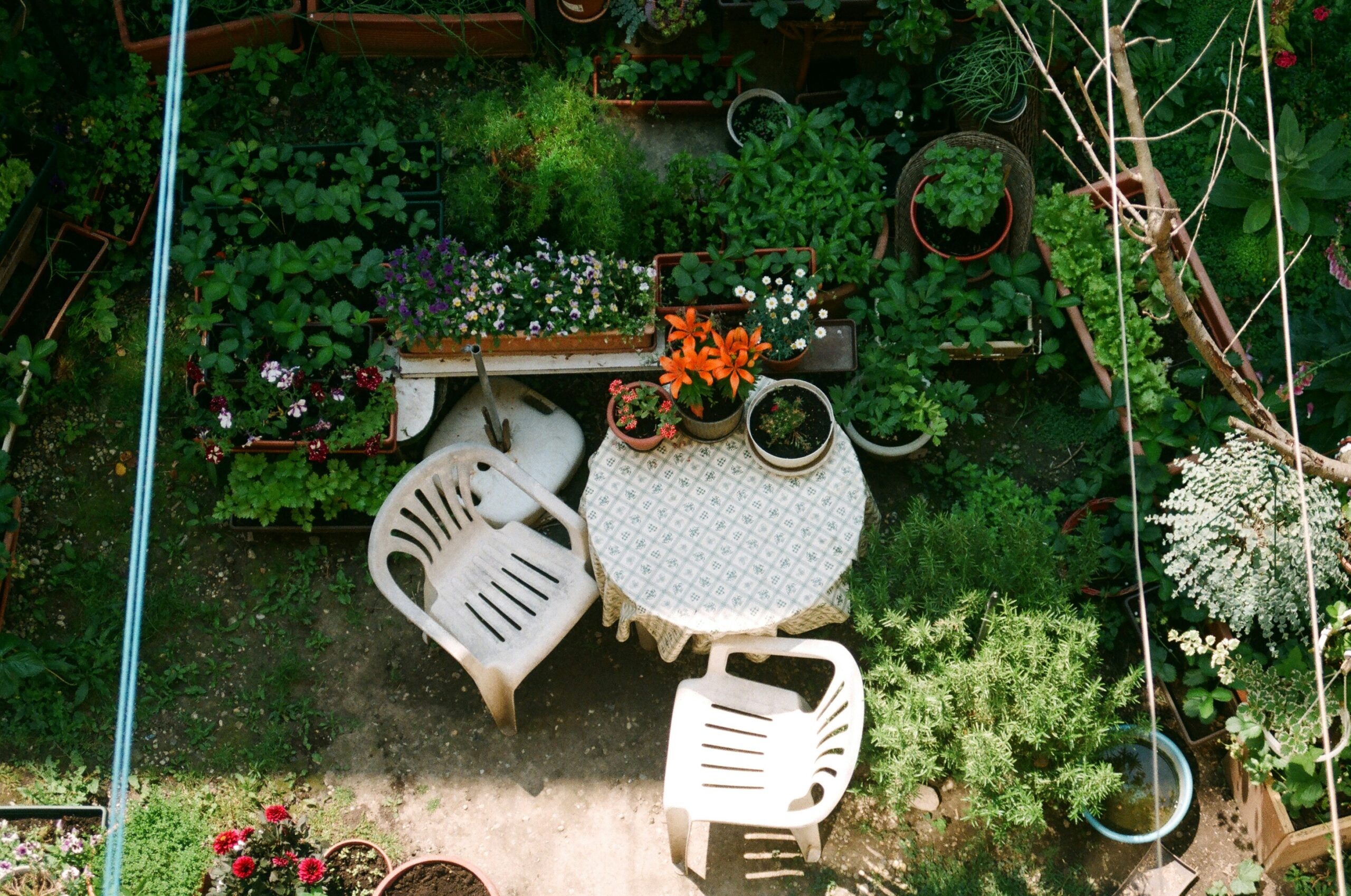 Having a garden is a privilege, but it can often feel like they’re more hard work than they’re worth.
However, this doesn’t have to be the case. Let’s explore some of the ways that you can create a garden that is low-maintenance, but one that still looks the part and functions effectively.
Install Composite Decking
While timber is the traditional material for decking, low-maintenance composite decking provides various benefits:
- Unlike traditional wood, composite decking doesn’t require sanding, staining, or painting.
- It is resistant to rot, mould, and insect damage. It can withstand adverse weather conditions, without the concern of splintering or cracking.
- Due to being made from a combination of wood fibers and plastic, composite decking usually lasts longer than the standard timber option.
- It comes in a variety of colours and textures, so you can find composite decking that mimics the look of natural timber, but with increased uniformity and less imperfections.
- Many composite decking options feature anti-slip properties, making them safer to walk on during the colder months.
Swap the Lawn for Artificial Turf
While a grass lawn can look fantastic, particularly in the summer, it requires mowing every week or two during the growing season.
To retain their lush green colour, they require deep watering and are vulnerable to weeds.
It also needs fertilization 3-4 times a year.
Swapping the real lawn for artificial turf is a much lower-maintenance option because:
- It doesn’t grow or need watering, saving you time on mowing and money on water bills.
- There is no need for fertilisers or pesticides.
- Doesn’t get muddy, brown, or patchy.
- Can withstand heavy foot traffic.
Although much easier to maintain, it’s a good idea to brush the artificial grass to remove debris and dirt to keep it looking fresh.
Choose Low-Maintenance Plants
To create an aesthetically pleasing garden, plants are often a key component.
Plants don’t all require frequent tending to, but it’s important to establish which plants require high amounts of maintenance, and which ones are better at fending for themselves.
Examples of high-maintenance plants:
- Roses: Prone to pests such as aphids and need regular pruning and fertilizing.
- Hydrangeas: Sensitive to soil conditions and can need fertilizing.
- Azaleas: Need consistent watering and well-drained soil.
Examples of low-maintenance plants:
- Lavender: Resistant to drought and attracts pollinators.
- Rudbeckia: Able to tolerate drought.
- Sedum: Doesn’t require much watering.
Use Raised Beds
Raised beds can elevate the look of your garden, while also serving a number of practical and low-maintenance benefits.
How raised beds can make your gardening experience easier:
- Starting with clean soil means fewer weeds are present and the contained space enables you to spot weeds and pull them out of the bed before they spread. Mulch can be added more effectively, which suppresses new weeds coming through.
- Pests find it harder to reach elevated beds, which reduces the need for pest control.
- Allows for no-dig gardening, reducing the amount of time and effort required for tending to soil.
Final Thoughts
Garden maintenance can be a chore, but the burden can be limited significantly with a few changes.
To create a low-maintenance outdoor space doesn’t mean replacing the lawn with a patio, or removing all your plants.
Utilise our methods to maintain and elevate your garden’s appearance, while saving yourself some valuable time.