
How to Choose the Right Wood Fence Height for Privacy in Kirkland
If you live in Kirkland and you’re thinking about putting up a wood fence for privacy, the height you choose matters more than you might expect. Go too short and you’ll still feel like your neighbors are part of every backyard dinner. Go too tall and you could run into local permit issues or end up with a fence that looks out of place on your street.
Choosing the right wood fence height for privacy in Kirkland means balancing your personal comfort with city regulations, your property’s layout, and the overall look of your neighborhood. Let’s walk through how to get it right.
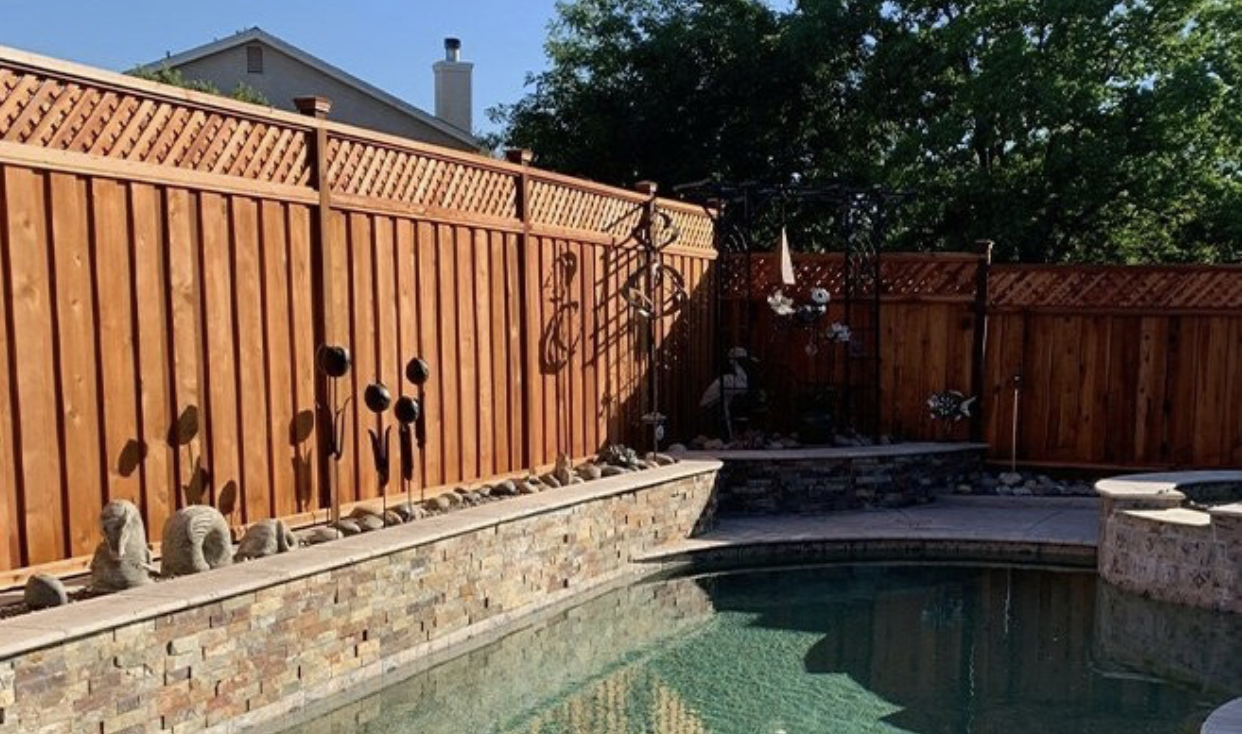
[IMAGE: A tall cedar privacy fence along a lush green Kirkland backyard with mature trees in the background — Source: Unsplash/Pexels — Alt text: wood fence height privacy Kirkland backyard with cedar panels and green landscaping]
Why Wood Fence Height Matters for Privacy in the Pacific Northwest
Here in the Pacific Northwest, we spend a lot of time in our yards — even when it’s drizzling. Kirkland homes often sit on lots where neighbors are close, and the rolling terrain can make privacy tricky. A fence that feels tall enough on flat ground might barely block the view from a neighbor’s elevated deck.
Wood fence height for privacy in Kirkland isn’t just about blocking sightlines. It’s also about creating a comfortable outdoor space where you can relax without feeling watched. The right height gives you that sense of enclosure without making your yard feel like a fortress.
Kirkland Fence Height Regulations You Should Know
Before you start planning, you need to understand what the City of Kirkland allows. In most residential zones, backyard fences can be up to six feet tall without a permit. Front yard fences are typically limited to three or four feet, depending on your specific zoning.
There are exceptions. Corner lots, properties near intersections, and homes in certain neighborhoods may have different rules about sight triangles and setbacks. If your property slopes, the measurement method can also change — height is usually measured from the lowest adjacent grade.
It’s always smart to check with the Kirkland Planning and Building Department before you start. A quick call can save you from having to tear down a fence that’s a few inches too tall.
The Most Common Wood Fence Heights and What They Actually Block
Four-Foot Fences
A four-foot fence defines your property line and keeps small pets contained, but it won’t give you real privacy. Anyone standing nearby can see right over it. In Kirkland neighborhoods like Juanita or Finn Hill, where lots can be compact, a four-foot fence is more of a boundary marker than a privacy solution.
Five-Foot Fences
Five feet is a middle ground. It blocks the view for most people who are seated, which means your patio conversations stay somewhat private. But anyone walking or standing near the fence will still have a clear line of sight into your yard.
Six-Foot Fences
This is the standard for privacy fencing in Kirkland and across the Bellevue area. A six-foot cedar fence blocks most standing sightlines and creates a genuine sense of seclusion. For most homeowners in Redmond, Kirkland, and surrounding neighborhoods, this is the sweet spot — tall enough for privacy, within code, and proportional to typical lot sizes.
Eight-Foot Fences
Eight-foot fences are sometimes used for properties adjacent to commercial areas or busy roads. In Kirkland, you’ll likely need a permit for anything over six feet. These taller fences can also create shade and wind issues in your yard, so they’re not always the best choice even when they’re allowed.
How Kirkland’s Terrain Affects Your Fence Height Decision
Kirkland isn’t flat. Many neighborhoods sit on hillsides or gentle slopes that run down toward Lake Washington. This terrain creates a challenge: a six-foot fence installed on the low side of a slope might only provide four feet of screening from the uphill neighbor’s perspective.
If your yard slopes, you have two main options. Stepped fencing follows the grade in a staircase pattern, keeping each panel at the same height. Racked fencing angles the panels to follow the slope continuously. Both approaches work, but racked fencing tends to look more natural on gradual slopes, while stepping works better on steeper grades.
A good installer will walk your property and identify where the sightlines actually are before recommending a height. Sometimes a six-foot fence on a slope needs to be combined with strategic landscaping to close the remaining gaps.
Choosing the Right Wood Species for Your Privacy Fence
The wood you pick affects how your fence looks and how long it lasts in Kirkland’s wet climate. Western red cedar is the local favorite for good reason — it naturally resists rot and insects, and it weathers to a beautiful silver-gray if left untreated.
Pressure-treated Douglas fir is another solid option that costs less upfront. It handles moisture well but doesn’t have cedar’s natural beauty. For a privacy fence that needs to stand up to years of Kirkland rain, moss, and occasional windstorms, cedar is usually worth the investment.
If you’re weighing your options, the team at Optima Fence and Deck can help you compare wood types based on your budget and how much maintenance you’re willing to do.
Board Style and Spacing Make a Bigger Difference Than You Think
Height is only part of the privacy equation. The style of your fence boards and how they’re arranged determines whether your fence actually blocks views or just suggests a boundary.
Solid board fences with no gaps offer the most privacy. Dog-ear and flat-top pickets set tightly together create an unbroken wall. Board-on-board designs overlap pickets on alternating sides of the rails, which eliminates gaps while still allowing some airflow — a smart choice in Kirkland where moisture buildup behind solid fences can cause premature rot.
Shadow box fences have intentional gaps between boards. They look great from both sides, but they don’t provide full privacy. If blocking the view is your main goal, a shadow box fence at six feet will be less effective than a solid board fence at five feet.
Balancing Privacy With Neighborhood Character
Kirkland has a lot of neighborhood personality. The homes along Market Street feel different from the properties up in Bridle Trails, and what works in one area might look out of place in another. A massive solid fence on a street where everyone has low picket fences will stand out — and not in a good way.
Take a walk around your block before you decide. Notice what your neighbors have done. If most yards have four-foot fences, jumping straight to six feet might be fine for the backyard but could feel aggressive in the front. Many Kirkland homeowners use a shorter, more decorative fence along the front and sides, then go to full height in the back where privacy matters most.
Working With a Local Installer Who Knows Kirkland
Every property in Kirkland has its own quirks — slopes, setbacks, mature trees with roots that complicate post placement, and soil conditions that vary from one block to the next. Working with a local fence company means you get someone who already understands these challenges.
When you’re ready to move forward with your wood fence installation in the Bellevue area, look for an installer who will visit your property, discuss your privacy goals, and explain how local codes apply to your specific lot. The right height for your fence depends on your unique situation, not a one-size-fits-all answer.
Homeowners across Bellevue, Redmond, and Kirkland trust experienced local crews to handle these details so the finished fence does exactly what it’s supposed to — give you privacy without headaches.
Frequently Asked Questions
What is the maximum fence height allowed in Kirkland without a permit?
In most residential areas of Kirkland, you can build a backyard fence up to six feet tall without needing a permit. Front yard fences are usually limited to three or four feet. Corner lots and properties near intersections may have additional restrictions, so it’s worth checking with the city before you start.
Is a six-foot wood fence enough for privacy in Kirkland?
For most Kirkland properties, a six-foot solid wood fence provides excellent privacy. It blocks standing sightlines from neighboring yards and creates a comfortable screened outdoor space. If your neighbor’s yard sits higher than yours due to sloping terrain, you may need to supplement with landscaping or consider a taller fence with a permit.
What type of wood lasts longest for privacy fences in the Pacific Northwest?
Western red cedar is the top choice for privacy fences in the Pacific Northwest. It naturally resists rot, decay, and insect damage, which is critical in Kirkland’s wet climate. With proper maintenance, a cedar privacy fence can last 15 to 20 years or more. Pressure-treated Douglas fir is a more affordable alternative that also performs well in rainy conditions.
Does fence height affect my property value in Kirkland?
A well-built privacy fence at the right height can increase your property’s appeal and value. Buyers in Kirkland often look for fenced backyards, especially families with children or pets. However, an overly tall or poorly maintained fence can have the opposite effect, making the yard feel closed off or signaling deferred maintenance.
Should I use a solid board fence or a board-on-board fence for privacy?
Both styles work well for privacy. Solid board fences block all sightlines but can trap moisture against the wood, which is a concern in Kirkland’s rainy climate. Board-on-board fences overlap pickets to eliminate gaps while still allowing air circulation, which helps the wood dry out faster and last longer. For maximum privacy with better longevity, board-on-board is often the smarter choice in the Pacific Northwest.


