How to choose the right smile restoration
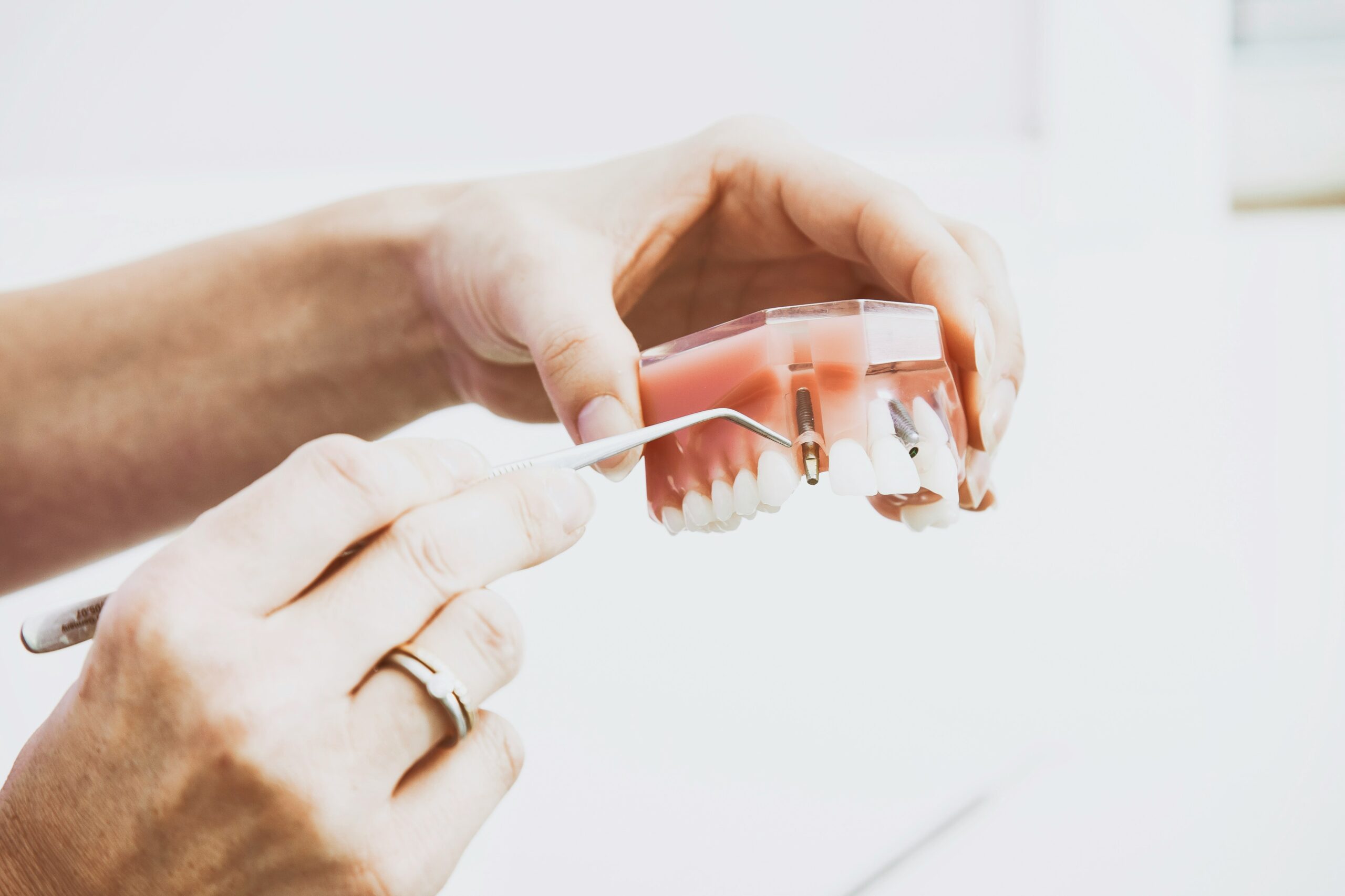 Your smile is one of the first things people notice, and it plays a significant role in your confidence and overall well-being. But over time, factors like age, accidents, or dental health issues can affect your smile. Thankfully, there are various smile restoration options available today that can help bring back the vibrancy of your smile.
In this post, we’ll explore different types of smile restorations, factors to consider when choosing a treatment, where to find the best dentist Harley Street and tips for maintaining your restored smile.
Different Types of Smile Restorations
Smile restoration involves a variety of dental treatments, each suited to specific dental issues. Here are some of the most common options:
- Dental Fillings
Ideal for minor tooth decay, fillings are used to restore teeth with cavities. Dentists remove the decayed portion and fill the area with materials like amalgam, composite resin, or porcelain.
Suitable for: Patients with mild to moderate tooth decay or small chips.
Advantages: Quick, affordable, and non-invasive.
Disadvantages: Some materials, like amalgam, may not match your natural tooth colour. - Dental Crowns
Crowns are custom-made caps that cover a damaged or weakened tooth. They restore function and protect the tooth from further damage.
Suitable for: Severely decayed, cracked, or worn-down teeth.
Advantages: Durable, protects the tooth, and can last many years.
Disadvantages: Requires more tooth structure removal and can be more costly. - Veneers
Veneers are thin shells made of porcelain or composite resin that cover the front surface of the teeth. They are primarily cosmetic but can address issues like discoloration, chips, and minor misalignments.
Suitable for: Patients with cosmetic concerns, such as uneven teeth, stains, or gaps.
Advantages: Immediate improvement in appearance, stain-resistant.
Disadvantages: Irreversible procedure, as a small amount of enamel must be removed. - Dental Implants
A long-lasting solution for missing teeth, dental implants involve placing a titanium post in the jawbone, which acts as a root for a crown.
Suitable for: Individuals with missing teeth and healthy jawbone structure.
Advantages: Permanent, natural-looking, and maintains bone health.
Disadvantages: High cost, requires surgery, and longer healing time. - Dentures
Dentures are removable appliances that replace missing teeth and the surrounding tissue. They come in two types: full and partial.
Suitable for: Patients missing most or all of their teeth.
Advantages: Affordable, non-invasive, and removable.
Disadvantages: Can feel uncomfortable or slip during use, requires regular adjustments. - Bridges
A dental bridge consists of one or more artificial teeth anchored by crowns on adjacent natural teeth or implants. It’s used to replace one or more missing teeth.
Suitable for: Patients missing one or more teeth but with healthy neighbouring teeth.
Advantages: Fixed, restores appearance and function, less invasive than implants.
Disadvantages: May compromise the health of adjacent teeth, not as durable as implants.
Factors to Consider When Choosing a Restoration
Selecting the right smile restoration depends on various factors. Here’s what you need to think about:
- Cost: Dental restorations can vary significantly in price. While fillings and dentures are more affordable, implants and veneers tend to be more costly due to their durability and complexity.
- Desired Outcome: What’s your primary goal? Is it cosmetic, functional, or both? For instance, if you want to improve the aesthetics of your smile, veneers might be the best option, whereas dental crowns are better for strengthening a damaged tooth.
- Dental Health: The condition of your teeth and gums will determine which treatment is suitable. For example, patients with healthy gums and strong bone structure may be good candidates for implants, while those with weaker teeth might opt for less invasive options like dentures or bridges.
- Lifestyle: Consider your lifestyle when selecting a restoration. If you lead an active life, you may prefer more permanent, low-maintenance solutions like implants or crowns, rather than removable options like dentures.
Consultation with a Dentist
Before deciding on any smile restoration, it’s essential to consult with a qualified dentist. Your dentist will evaluate your dental health, discuss your concerns, and recommend the most appropriate treatment plan tailored to your needs. They’ll also explain the risks and benefits of each option, helping you make an informed decision.
Your dentist can also identify any underlying dental issues, such as gum disease or tooth decay, that need to be addressed before the restoration.
Benefits and Drawbacks of Smile Restorations
Every dental restoration comes with its own set of pros and cons. Here’s a quick breakdown of the most common benefits and potential drawbacks:
- Fillings
Benefits: Quick, affordable, and restores function to the tooth.
Drawbacks: Some materials, like amalgam, may not match natural teeth in color. - Crowns
Benefits: Protects the tooth and restores its appearance and function.
Drawbacks: Requires more tooth preparation and is more expensive. - Veneers
Benefits: Dramatically improves smile aesthetics.
Drawbacks: Irreversible and may require replacement after several years. - Implants
Benefits: Long-lasting, maintains bone health, and looks natural.
Drawbacks: Expensive and involves a lengthy process. - Dentures
Benefits: Affordable, replace multiple teeth.
Drawbacks: May feel uncomfortable and require regular adjustments. - Bridges
Benefits: Fixed and functional.
Drawbacks: May damage adjacent teeth and has a shorter lifespan compared to implants.
Maintenance and Care for Restorations
Once your smile is restored, proper care is essential to ensure longevity and prevent future dental problems. Here are some tips:
- Oral Hygiene: Brush twice a day and floss daily to keep your restorations and natural teeth healthy. Use non-abrasive toothpaste, especially for veneers and crowns.
- Routine Dental Visits: Regular check-ups allow your dentist to monitor your restorations and detect any early signs of issues. Professional cleanings help maintain the health of your gums and teeth.
- Avoid Hard Foods: Certain restorations, like veneers and crowns, can crack or chip if subjected to excessive force. Avoid chewing hard foods, ice, or using your teeth as tools.
- Quit Smoking: Smoking can stain restorations and contribute to gum disease, which may affect the longevity of your treatment.
- Wear a Mouthguard: If you grind your teeth at night (bruxism) or participate in contact sports, wear a mouthguard to protect your restorations from damage.
Conclusion
Restoring your smile can greatly enhance your confidence and quality of life. Whether you need a minor filling, cosmetic veneers, or a more involved solution like dental implants, there’s a smile restoration option to meet your needs.
However, choosing the right restoration requires careful consideration of factors like cost, dental health, and lifestyle. A consultation with a dentist will provide personalized guidance, ensuring that you select the best treatment for your unique situation.
With the right restoration and proper care, you can enjoy a healthy, beautiful smile for years to come.