How to Choose an Apartment That Fits Your Location and Lifestyle Needs
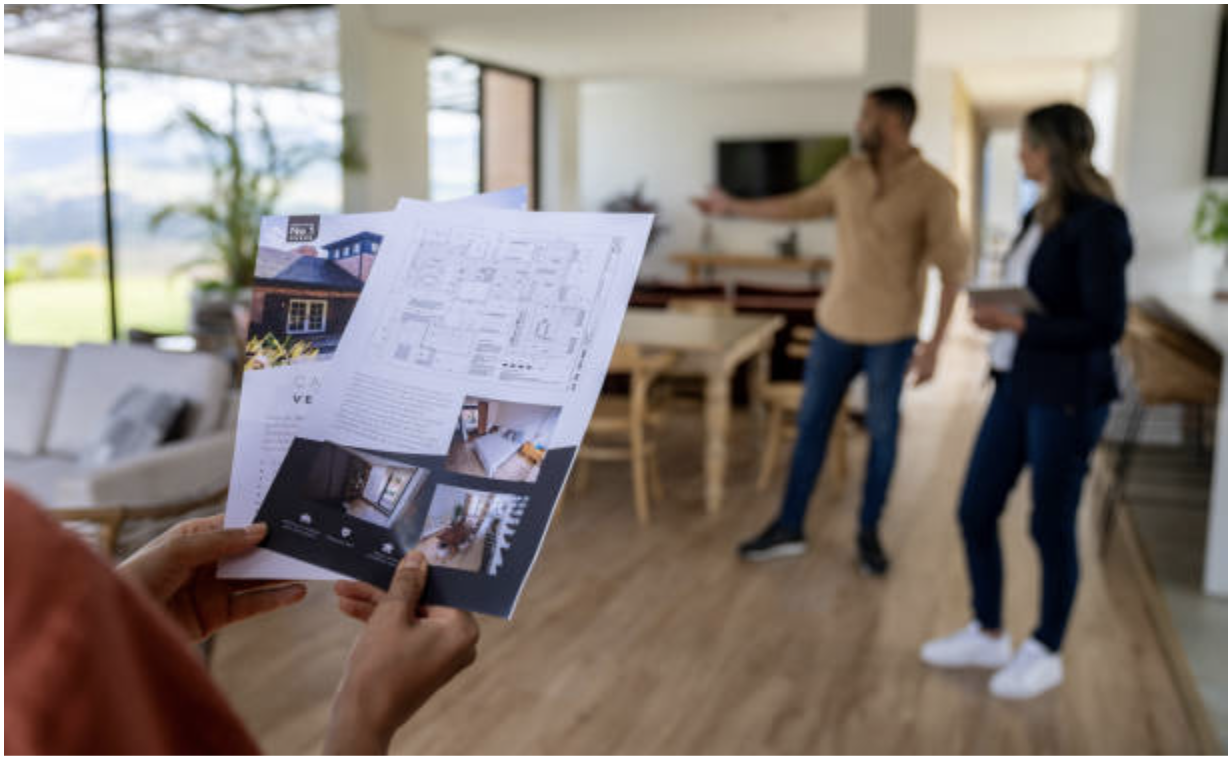
Choosing an apartment is not only about finding enough bedrooms at the right monthly rent.
Where you live can affect your commute, daily expenses, social routine, access to services, and even how much time you spend travelling each week.
A good apartment search therefore starts with two questions: does the location support your normal routine, and does the apartment itself provide the features you actually need?
Looking at both can help you avoid choosing a property that seems attractive during a viewing but becomes inconvenient after moving in.
Start With the Location Before Comparing Units
Location influences many parts of daily life, so it makes sense to narrow down suitable areas before comparing individual apartments. Think about the places you visit regularly rather than focusing only on how a neighbourhood looks on a map.
Calculate Your Real Commute
Check travel times to work, school, childcare, or other frequent destinations. Test the route during the hours when you would normally travel because traffic conditions and public transport frequency can change throughout the day.
For example, someone looking at apartments for rent Langley may find several suitable properties across different parts of the area. Comparing actual travel times from each address can make it easier to see which option works best for a regular schedule.
Also consider whether you need:
- Reliable public transport
- Easy access to major roads
- Safe walking or cycling routes
- Convenient parking
- Access to more than one transport option
A slightly higher rent may sometimes make practical sense if the location significantly reduces transport costs or commuting time.
Check Your Everyday Essentials
Think about your normal week. Grocery shops, pharmacies, medical services, parks, schools, cafés, fitness facilities, and other services may matter depending on your routine.
Open a map and check the distance from each shortlisted building to the places you are likely to use. This provides a more realistic picture than simply assuming an apartment is close to everything.
Match the Apartment to the Way You Actually Live
Once you have identified suitable locations, focus on the apartment itself. The best features are those that support habits you already have rather than facilities that look impressive during a property tour.
Separate Needs From Preferences
Create three categories before searching:
- Essential: Features you cannot reasonably live without.
- Preferred: Features that would make daily life easier.
- Optional: Features you would enjoy but could comfortably skip.
Your essential list might include two bedrooms, pet-friendly rules, parking, laundry facilities, or enough room for a home office. A balcony, swimming pool, resident lounge, or upgraded finishes might fall into the other categories.
Using these priorities while searching for apartments for rent can prevent attractive photographs or extra facilities from distracting you from the features that affect daily comfort.
Think About How the Layout Works
Square footage alone does not tell you whether an apartment will feel practical. Two units of similar size can function very differently because of room shape, storage placement, windows, door positions, and hallway space.
During a viewing, picture your furniture inside each room. Check whether there is enough storage and whether shared areas provide enough space for everyone living there.
Look Beyond the Advertised Monthly Rent
The listed rent is important, but it may not represent your full monthly housing cost. Asking about additional charges before applying makes different properties easier to compare fairly.
Identify Extra Costs Early
Depending on the property and lease terms, additional expenses may include:
- Parking
- Utilities
- Internet
- Storage
- Pet charges
- Building or amenity fees
Ask which costs are included in the rent and which are billed separately. Two apartments with similar advertised rents can have noticeably different monthly totals once recurring expenses are included.
Also check the security deposit, application requirements, lease duration, renewal terms, and rules covering early termination before signing anything.
Inspect the Apartment With Daily Life in Mind
A property viewing should be more than a quick look at the kitchen and bedrooms. It is your opportunity to test whether the unit and building will work for ordinary daily routines.
Check Practical Details During the Tour
Open cabinets and closets to understand storage capacity. Check water pressure, window operation, appliance condition, mobile reception, natural light, and noise levels where possible.
Walk through common areas too. Look at entrances, lifts or stairs, parking arrangements, laundry areas, waste facilities, bicycle storage, and package collection procedures.
If you work remotely, consider where your desk will go and whether the space feels suitable for working several hours a day. Pet owners should also review building rules and nearby outdoor areas rather than assuming every pet-friendly property offers the same conditions.
Compare Your Final Choices Using the Same Criteria
When several apartments seem suitable, comparing them systematically can make the final decision much clearer. Avoid choosing based only on one attractive feature.
Score each option against the factors that matter most to you, such as location, total monthly cost, commute, layout, storage, parking, amenities, and access to everyday services.
The right apartment does not need to have every possible feature. It needs to fit your budget, location requirements, and normal lifestyle without creating unnecessary compromises. Taking time to compare those practical details can help you choose a home that continues to work well after the excitement of moving day has passed.