How App Withdrawals Turned Instant and Free
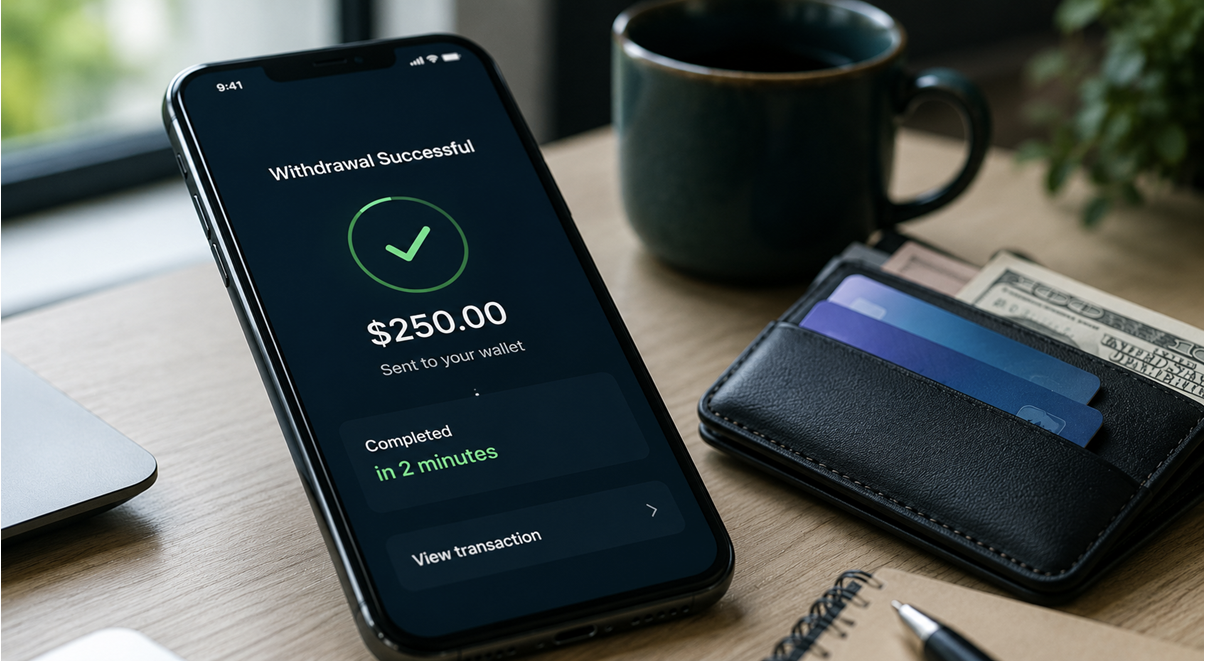
Nobody misses the three-day withdrawal. It slipped out of everyday life so quietly that most people never clocked it leaving. Tap withdraw on almost any modern app now and the cash reaches you before the kettle boils, the kind of speed you expect the moment you finish a 1xbet download or set up any decent mobile app. Minutes, not mornings. What is stranger is who dragged the rest of the market there, because it was neither the banks nor the fintech darlings everyone hands the credit to.
Betting Apps and the Instant Payout Race
The banking system runs on queues, batches, and overnight processing windows that freeze solid every weekend. Bookmakers could not afford that kind of patience. A punter who wins a live wager during a match wants the money out before the post-match pundits finish arguing, not the next working day after some vague processing hold. That urgency, born in the betting world, forced operators to find workarounds years ahead of anyone in traditional finance.
E-wallets were the first shortcut. A sportsbook withdrawal hits the wallet in minutes because it never touches the slow banking rails, the balance sits in a separate layer, and you move it onward when you choose. Betting platforms adopted this wholesale, because even a short delay gave a rival operator the chance to poach the user.
Real-time payment rails came next, settling in seconds around the clock, weekends and bank holidays included. Sportsbooks jumped on them early, and the old excuse about systems being closed stopped working overnight. Plenty of banking apps now use those rails too, but they were latecomers copying a solution the betting industry pressure-tested first.
Why Speed Became Non-Negotiable for Bettors
A salary that lands on a predictable Friday each month does not create the kind of impatience that a winning accumulator does. Banks had zero competitive pressure to speed up withdrawals, because nobody was switching current accounts over payout speed. Bookmakers lived under a different rule: the first operator to crack near-instant cashouts watched every rival haemorrhage users until they matched it.
That race filtered outward. E-wallet providers serving both bettors and everyday shoppers carried the instant-payout infrastructure into retail payments. Payment processors that cut their teeth on high-volume sportsbook traffic repurposed the technology for banking apps. The speed you now enjoy when splitting a dinner bill or moving rent money traces back to a betting operator in 2017 decided that a two-hour wait was too long.
Where the Slow Apps Still Sit
Not everyone caught up. Sell a holding on an investment app and the cash can idle for a working day or two before you can touch it. Marketplace wallets after a sale often play a similar waiting game, and no amount of in-app animations changes what you already know. The money exists, it is going nowhere in a hurry, which is exactly the lag that sportsbooks and e-wallets built their reputation on clearing.
Fees the Betting World Dropped
The payoff for your pocket goes beyond speed. Sportsbooks zeroed withdrawal fees early on, because charging for a cashout felt like punishing a winner, and the optics were brutal in a market where one angry post on a betting forum could drive hundreds of users to a competitor. That pressure set a benchmark the rest of the market has been inching toward since.
| Method | Typical Speed | Usual Cost |
| E-wallet | Minutes to a few hours | Usually nothing |
| Instant bank transfer | Seconds to two hours | Usually nothing |
| Standard bank transfer | One to three working days | Nothing |
| Debit card | Hours to a day | Free or a small charge |
| Crypto | Ten to sixty minutes | Network fee only |
Read down that cost column. The quickest routes are now the cheapest, which flips the old logic where speed meant a surcharge. A charge here and a charge there feels trivial until you are shifting money between betting apps and bank accounts most weeks, and the small change you keep instead adds up to real money by the year’s end.
Faster access matters just as much for your day-to-day budget. Money stuck in a processing queue is money you cannot use for bills, and pulling it the moment you need it means fewer overdraft nudges and fewer borrowing gaps to plug before payday. Bettors worked this out years ago when sportsbooks made instant the default; everyone else is catching on now.
Fine Print Worth Reading Before You Download
Even among betting apps, withdrawal terms vary enough that a short look before you tap install keeps your money working for you.
- The fee page, buried though it usually is, because a route sold as instant sometimes carries a charge that a slower free option does not.
- Which instant rails the app supports, since real-time payments clear at any hour while older transfers sleep through the weekend.
- Withdrawal limits and the process for raising them, because a short pause on increasing your ceiling is a fraud-protection step, not a nuisance, and it blocks a stranger who gets in from draining you.
- Verification, cleared up front. Getting your identity checks done early is the gap between a payout in minutes and one stuck in review for days, a lesson any experienced bettor has learned the hard way.
Sportsbooks tend to surface these details more openly than banking apps, partly because the competition forced transparency and partly because bettors ask louder questions when their money is stuck.