How Aging Affects the Brows and How a Brow Lift Helps
 Aging rarely shows up all at once. It creeps in, often starting in places people don’t notice right away. The brow area is one of them. At first, it might just feel like your eyes look a bit tired in photos, or that your expressions seem heavier than they used to. Over time, though, the changes become more defined, and they can subtly affect how others read your face.
This is especially noticeable in beauty-focused areas like Scottsdale, where small aesthetic details tend to matter more in everyday interactions. People start paying closer attention to how their features shift with age, not out of vanity, but because the face no longer reflects how they feel inside. The brow plays a bigger role in this than most expect.
Below are four ways aging affects the brows, and how a brow lift fits into that conversation.
1. The Brows Start to Drop, Even If You Don’t Notice It Right Away
One of the earliest changes happens quietly. The brows begin to descend, just slightly at first. It’s not dramatic. You may not even clock it in the mirror. But the effect shows up in how your upper face looks overall.
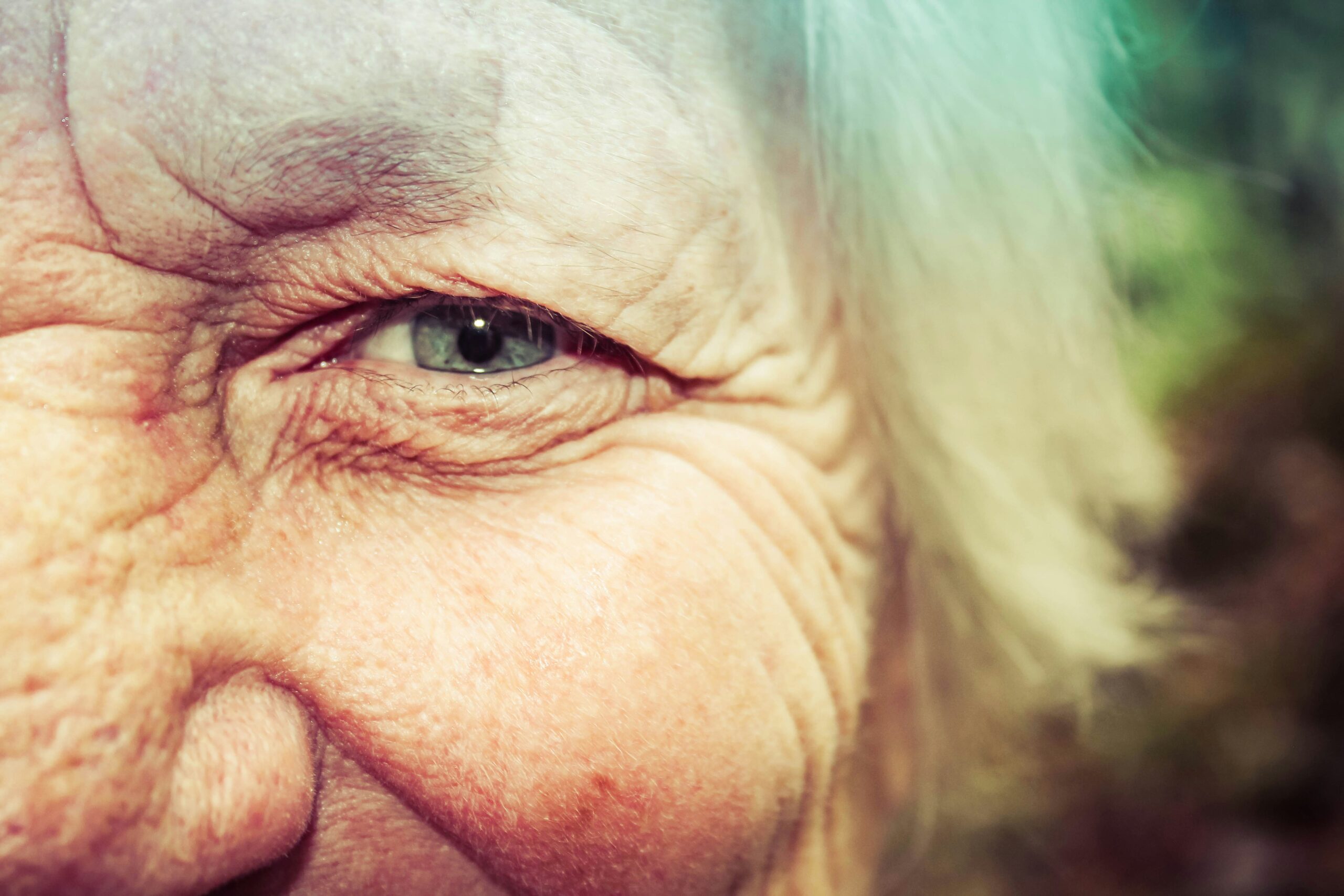
As the brow lowers, it presses gently against the upper eyelids. That can create a subtle heaviness, especially toward the outer corners of the eyes. Over time, this shift can make the eyes appear smaller or more closed off, even when you’re fully awake and alert.
When people begin looking into a brow lift in Scottsdale, it’s often because they’ve noticed this exact change. Not a drastic sag, just a sense that something feels off around the eyes. In practices like Caniglia Facial Plastic Surgery, where facial balance is treated as a structural issue, the focus tends to be on repositioning the brow in a way that relieves that pressure without over-tightening the area. When that position is corrected, the difference isn’t loud. The eyes appear more open, yes, but more importantly, the upper face feels lighter again. The kind of change people notice without immediately knowing what changed.
2. Horizontal Lines Become More Defined and Harder to Ignore
Forehead lines are often blamed on expressions. And yes, repeated movement plays a role. But aging changes how the skin responds to those movements.
When you’re younger, the skin has more elasticity. It bounces back easily. As collagen production slows down, those same expressions start leaving marks that linger longer, then eventually stay.
The brow area carries a lot of that movement. Raising your eyebrows, reacting to light, and even subtle facial shifts throughout the day all contribute. Over time, horizontal lines across the forehead become deeper and more visible, especially when paired with a lowering brow.
What makes this tricky is that the lines and the brow position are connected. If the brow has dropped, the muscles tend to overcompensate by lifting more often, which can deepen those lines further.
A brow lift addresses both sides of that pattern. By repositioning the brow, it reduces the need for constant muscle compensation. That, in turn, softens the appearance of those lines in a way that doesn’t rely on temporary fixes.
3. The Outer Brow Flattens, Changing Your Natural Expression
Aging doesn’t just lower the brow. It changes its shape. The outer portion of the brow tends to lose elevation first. This is what creates that flattened or slightly downward angle toward the temples. It’s subtle, but it has a noticeable effect on how your face reads.
Even when you’re relaxed, this shift can make your expression look tired, serious, or even slightly tense. Not because you are, but because the structure around your eyes has changed.
This is often the point where people start feeling like their face no longer matches their energy. The issue isn’t wrinkles alone. It’s the loss of natural contour in the brow line.
A well-planned brow lift focuses on restoring that gentle arch, especially in the outer brow. That small adjustment can change how light hits the face, how the eyes frame, and how expressions come across in everyday interactions. It’s one of those details that doesn’t scream “procedure,” but people notice the difference without being able to pinpoint why.
4. Excess Skin Around the Upper Eyes Starts to Build
As the brow drops and skin elasticity decreases, the upper eyelids often begin to show excess skin. This can create a hooded appearance, even in people who never had it before.
Sometimes, this gets mistaken for an eyelid issue alone. But in many cases, the brow position is part of the problem. When the brow sits lower than it used to, it pushes tissue downward, adding to that heaviness above the eyes.
This is why treating the eyelids without considering the brow can lead to incomplete results. The two areas work together. Ignoring one often limits what you can achieve with the other.
A brow lift can help by relieving that downward pressure. By repositioning the brow, it reduces the amount of skin that gathers over the upper eyelid. The eyes look clearer, not tighter, just less weighed down. That distinction matters. The goal isn’t to change your features. It’s to remove the things that are getting in the way of how those features naturally look.
Conclusion
The brow area tends to change gradually, which is why it’s often overlooked at first. But over time, those small shifts add up. A lowered brow, deeper lines, a flatter shape, and excess skin around the eyes all contribute to a look that feels heavier than it used to.
What’s interesting is that none of these changes happens in isolation. They interact. That’s why addressing them thoughtfully, rather than individually, tends to produce results that feel more natural.
A brow lift is about restoring the structure that time has quietly altered. And in many cases, that small reset is enough to bring back a sense of familiarity when you look in the mirror.