Honed Limestone Tile vs Polished Limestone Tile: Which Is More Suitable for High-Traffic Areas?
When it comes to designing spaces that endure heavy foot traffic, flooring choice plays a pivotal role in both aesthetics and functionality. Limestone tiles, known for their natural beauty and durability, are a popular option in Interior Design, Home Improvement projects. However, choosing between honed and polished limestone tiles can be challenging, especially when considering high-traffic areas. This article explores the distinct characteristics of honed and polished limestone tiles and evaluates which is more suitable for spaces that experience frequent use.
Honed Limestone Tile Characteristics
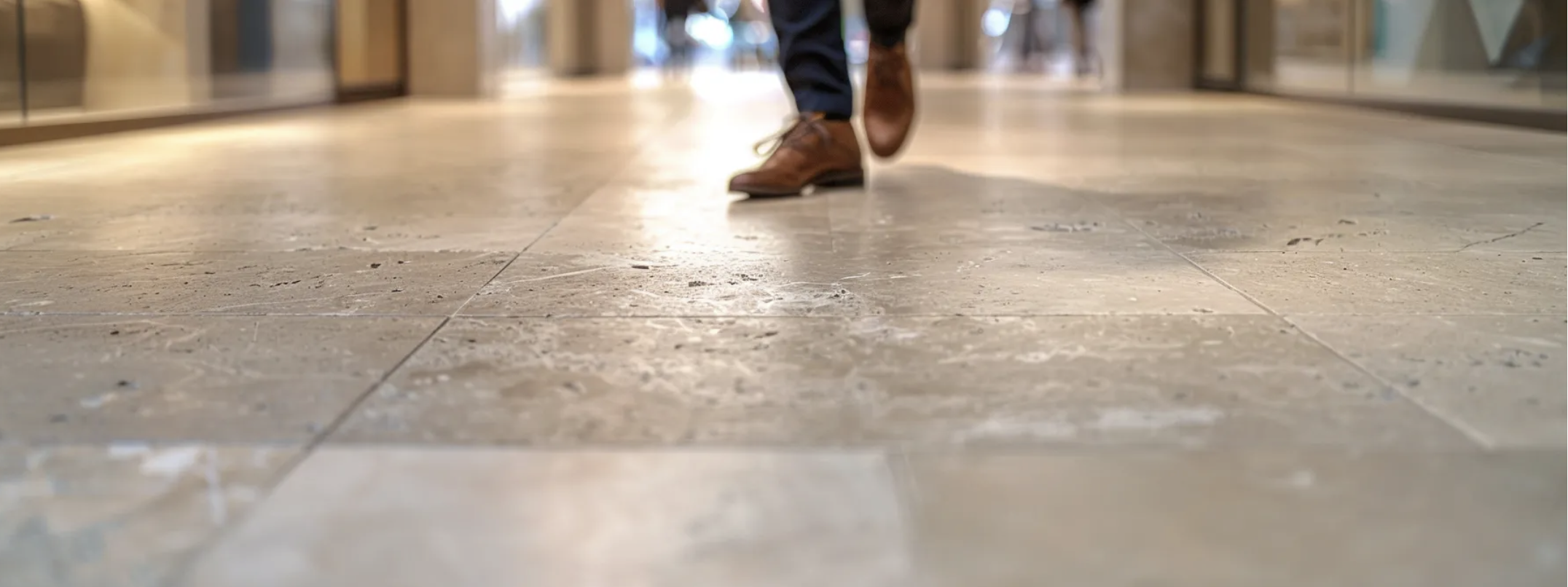 Honed Limestone Tiles offer a matte finish, achieved by grinding the surface to a smooth, non-reflective texture. This finish is particularly favored for its ability to mask scratches and wear, making it ideal for high-traffic areas. A honed surface is less slippery compared to polished surfaces, thus providing better traction and safety in busy environments. In interior design, a Honed Limestone Tile can seamlessly complement various design elements such as a well-curated Honed Limestone Tile in a neutral color palette, enhancing the overall aesthetic without overwhelming the space.
Moreover, honed tiles excel in incorporating biophilic design principles, which emphasize the connection between nature and interior spaces. Their natural appearance can integrate into a design development plan that prioritizes organic textures and materials. When considering FF&E (Furniture, Fixtures, and Equipment), Honed Limestone Tiles often align with the broader schematic design goals of creating harmonious and nature-inspired interiors.
Polished Limestone Tile Features
Polished limestone tiles are distinguished by their glossy finish, achieved through a meticulous polishing process. This reflective surface adds a touch of elegance and sophistication, enhancing the visual appeal of any space. However, in high-traffic areas, polished tiles might require more maintenance, as their glossy surface can show scratches and scuffs more readily than honed tiles. Additionally, they can be slippery when wet, posing a potential safety risk in spaces with frequent movement.
The use of polished limestone tiles often aligns with a more formal design aesthetic, where the emphasis is on creating a luxurious atmosphere. These tiles can complement hardscape elements in exterior spaces, where visual impact is prioritized over functionality. In interior projects, polished tiles can be integrated into a scale drawing to visualize and plan the spatial layout effectively, considering their impact on reflection and light distribution.
Durability in High-Traffic Areas
Durability is a crucial consideration when selecting surface materials for high-traffic areas. Honed Limestone Tiles are generally more resilient to wear and tear, thanks to their ability to conceal minor imperfections. The non-reflective surface reduces the visibility of scratches and blemishes that might occur over time. This characteristic makes honed limestone an excellent choice for commercial spaces where longevity and maintenance are key factors.
Recent analysis from Architectural Digest emphasizes the importance of selecting durable flooring solutions for high-traffic areas. Honed Limestone Tiles’ matte finish aligns well with these requirements, providing both practicality and aesthetic appeal. On the other hand, polished limestone tiles may require regular upkeep to maintain their pristine appearance, which can be a consideration in spaces with constant foot traffic.
Choosing the Best Tile for Your Needs
When selecting between honed and polished limestone tiles, consider the specific needs of the space and its intended use. For high-traffic areas, Honed Limestone Tiles provide a balanced combination of durability and safety, making them a practical choice for both residential and commercial settings. Their ability to integrate into a cohesive color palette and space planning strategy further enhances their suitability for busy environments.
If the design goal is to create a luxurious and visually striking space, polished limestone tiles might be more appropriate. However, consider the potential maintenance requirements and safety implications in high-traffic areas. Incorporating a Gantt Chart in the planning phase can help visualize timelines and ensure that the chosen tiles meet both aesthetic and functional criteria.
Conclusion
 Choosing between honed and polished limestone tiles for high-traffic areas requires careful consideration of each tile’s characteristics. Honed Limestone Tiles offer durability and practicality, making them ideal for spaces where wear and safety are priorities. Polished limestone tiles bring elegance and visual impact, suitable for areas where aesthetics take precedence. Ultimately, the decision should align with the specific design goals and functional demands of the space, ensuring a balance between beauty and practicality.