From Pioneering Precision to Lunar Legacy: The Remarkable Journey of Omega Watches
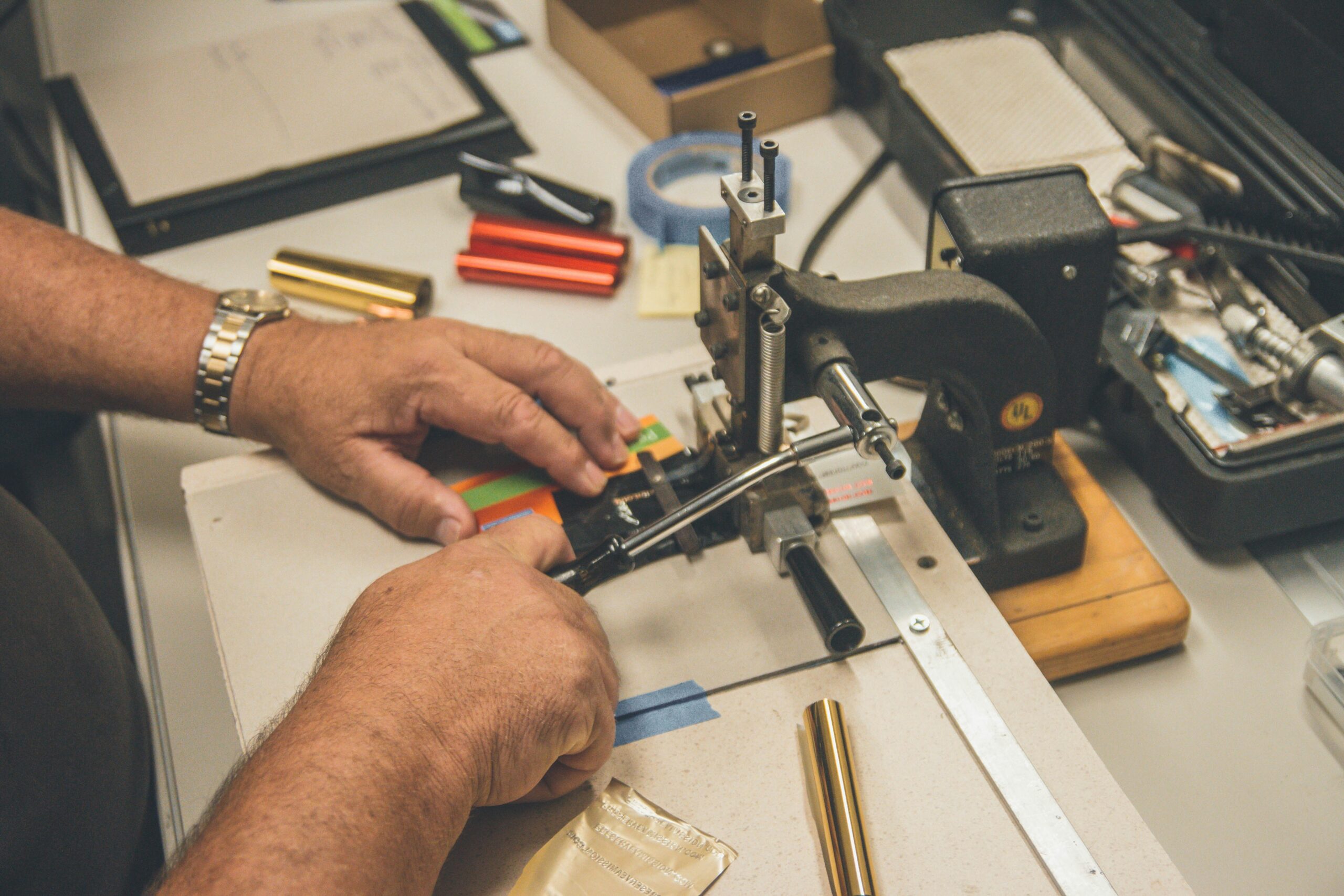 Few watchmaking houses can claim a heritage as storied and diverse as Omega. From humble beginnings in a Swiss workshop to becoming the timepiece of choice for space exploration, Olympic timing, and discerning collectors worldwide, Omega’s journey represents a masterclass in innovation, precision, and enduring craftsmanship. Understanding this brand’s evolution reveals not just a company’s history, but the very development of modern horology itself.
The Founding Years: Birth of a Watchmaking Legacy
In 1848, a young watchmaker named Louis Brandt established a modest workshop in La Chaux-de-Fonds, Switzerland. Initially, Brandt assembled pocket watches from components supplied by local craftsmen—a common practice in mid-19th century Swiss watchmaking. What distinguished his operation was an unwavering commitment to quality and precision that would become the brand’s hallmark.
Following Louis Brandt’s death in 1879, his sons Louis-Paul and César took control, fundamentally transforming the business. They revolutionised production by abandoning the traditional workshop system in favour of mechanised manufacturing, bringing component production in-house. This bold move allowed unprecedented quality control whilst dramatically improving efficiency and consistency.
The Omega Name: A Calibre That Changed Everything
The brand we recognise today emerged in 1894 with the creation of the 19-ligne Omega calibre. This groundbreaking movement represented a quantum leap in watchmaking technology, featuring innovative design elements that simplified servicing and improved reliability. Any watchmaker could replace components without extensive adjustment—a revolutionary concept at the time.
The movement’s exceptional performance and versatility earned immediate acclaim, sweeping precision competitions and establishing new standards for accuracy. Such was its impact that in 1903, the company officially adopted the Omega name, recognising that this calibre had come to define their reputation more powerfully than any other identifier.
Olympic Precision and Timing Innovation
Omega’s association with precise timekeeping extended beyond wristwatches into sports timing. In 1932, Omega became the official timekeeper for the Los Angeles Olympic Games—the beginning of a partnership that continues today. This role demanded unprecedented accuracy and reliability, pushing the company to develop increasingly sophisticated timing technologies.
Over decades, Omega pioneered electronic timing systems, photofinish cameras, and touchpads that transformed competitive sports. These innovations established the brand not merely as watchmakers but as leaders in precision measurement across applications, reinforcing their reputation for technical excellence.
Military Service and Wartime Contributions
During both World Wars, Omega supplied military forces with reliable timepieces capable of withstanding combat conditions. The British Ministry of Defence alone requisitioned over 110,000 Omega watches during the Second World War, testament to their dependability under extreme circumstances.
These military watches, whilst utilitarian in design, embodied Omega’s commitment to accuracy and durability. Many survive today as collectables, their battle-worn cases telling stories of service whilst demonstrating the exceptional build quality that allowed them to function in the harshest environments imaginable.
The Speedmaster: To the Moon and Beyond
No discussion of Omega’s heritage is complete without addressing the Speedmaster—perhaps the most iconic chronograph ever created. Introduced in 1957 as a sports and racing watch, the Speedmaster’s destiny changed dramatically when NASA began searching for timepieces suitable for space exploration.
After rigorous testing that included extreme temperature variations, pressure changes, humidity, shock, and vibration, NASA selected the Speedmaster as the only watch qualified for manned space missions. On 21st July 1969, when Buzz Aldrin stepped onto the lunar surface wearing his Speedmaster, it became the first watch worn on the Moon—an achievement no other timepiece can claim.
This extraordinary accomplishment cemented Omega’s reputation for creating instruments capable of functioning flawlessly in the most demanding environments. The Speedmaster remains in production today, its design largely unchanged, a living testament to the original’s engineering excellence.
Seamaster: Conquering the Depths
Whilst the Speedmaster conquered space, Omega’s Seamaster line mastered underwater environments. Introduced in 1948, the Seamaster initially targeted desk-diving professionals seeking water-resistant watches for everyday wear. However, it evolved into a serious diving instrument, with professional models capable of withstanding extreme depths.
The Seamaster’s association with James Bond, beginning with GoldenEye in 1995, introduced the collection to new audiences whilst highlighting its blend of functionality and sophistication. This partnership between fiction’s most famous spy and Omega reinforced the brand’s image as combining technical prowess with elegant design.
Technical Innovations and Modern Achievements
Omega’s commitment to innovation extends beyond individual model successes. The brand pioneered numerous technical advances that elevated watchmaking standards industry-wide. Their Co-Axial escapement, developed by master watchmaker George Daniels and introduced in 1999, represents the first practical new escapement design in centuries, significantly reducing friction and improving longevity.
More recently, Omega’s Master Chronometer certification sets new standards for accuracy, magnetic resistance, and overall performance. These watches withstand magnetic fields of 15,000 gauss—far exceeding industry norms—whilst maintaining exceptional timekeeping precision. This achievement required developing entirely new materials and manufacturing processes, demonstrating that Omega’s innovative spirit remains as vital today as in its founding era.
Collecting and Investment Value
Vintage Omega watches have become increasingly sought-after amongst collectors, with certain models achieving remarkable values at auction. Early Speedmasters, particularly those with provenance connecting them to space missions, command premium prices. Military-issued pieces, rare dial variations, and limited editions similarly attract dedicated enthusiasts.
However, Omega’s collecting appeal extends beyond investment potential. The history of Omega watches offers extraordinary depth, with each era producing distinctive designs that reflect their times whilst maintaining the brand’s core values of precision and reliability.
Frequently Asked Questions
What makes Omega watches historically significant?
Omega’s historical significance stems from multiple achievements: revolutionising watch manufacturing processes, serving as official Olympic timekeeper for decades, being selected by NASA for space missions, and creating the only watch worn on the Moon. These accomplishments, combined with consistent technical innovation, position Omega as a pivotal force in horology’s development.
How does Omega compare to other Swiss luxury watch brands?
Omega occupies a unique position amongst Swiss manufacturers. Whilst brands like Patek Philippe and Rolex command higher prices in certain segments, Omega offers exceptional technical innovation and historical significance at relatively accessible price points. Their combination of heritage, innovation, and value makes them particularly appealing to both enthusiasts and collectors.
Are vintage Omega watches good investments?
Certain vintage Omega models have appreciated significantly, particularly rare Speedmasters, military pieces, and limited editions. However, like all collectables, investment potential depends on condition, provenance, and market trends. Buying vintage Omegas primarily for enjoyment and historical appreciation, with potential appreciation as a secondary consideration, represents the wisest approach.
What was the first Omega watch?
Whilst Louis Brandt began watchmaking in 1848, the first watch bearing the Omega name appeared in 1894 with the 19-ligne Omega calibre. This movement’s success led to the company officially adopting the Omega name in 1903, marking the true beginning of the brand as we know it today.
Why did NASA choose Omega for space missions?
NASA selected the Omega Speedmaster after extensive testing against competitors. It proved the only watch capable of withstanding extreme temperature variations (-18°C to 93°C), vacuum conditions, high humidity, shock, acceleration, and vibration without failure. This exceptional durability, combined with the chronograph’s functionality for timing critical operations, made it the clear choice for manned space exploration.
Conclusion
Omega’s journey from a small Swiss workshop to global horological icon represents more than commercial success—it chronicles watchmaking’s evolution over nearly two centuries. Through wars and space exploration, Olympic competitions and deep-sea diving, Omega has consistently pushed boundaries whilst maintaining the precision and reliability that defined Louis Brandt’s original vision. Today’s Omega watches carry this rich heritage forward, combining historical legacy with cutting-edge innovation that ensures the brand remains as relevant and respected now as at any point in its distinguished past.