Essential Winter Care: Protecting Your Dog from Cold Weather
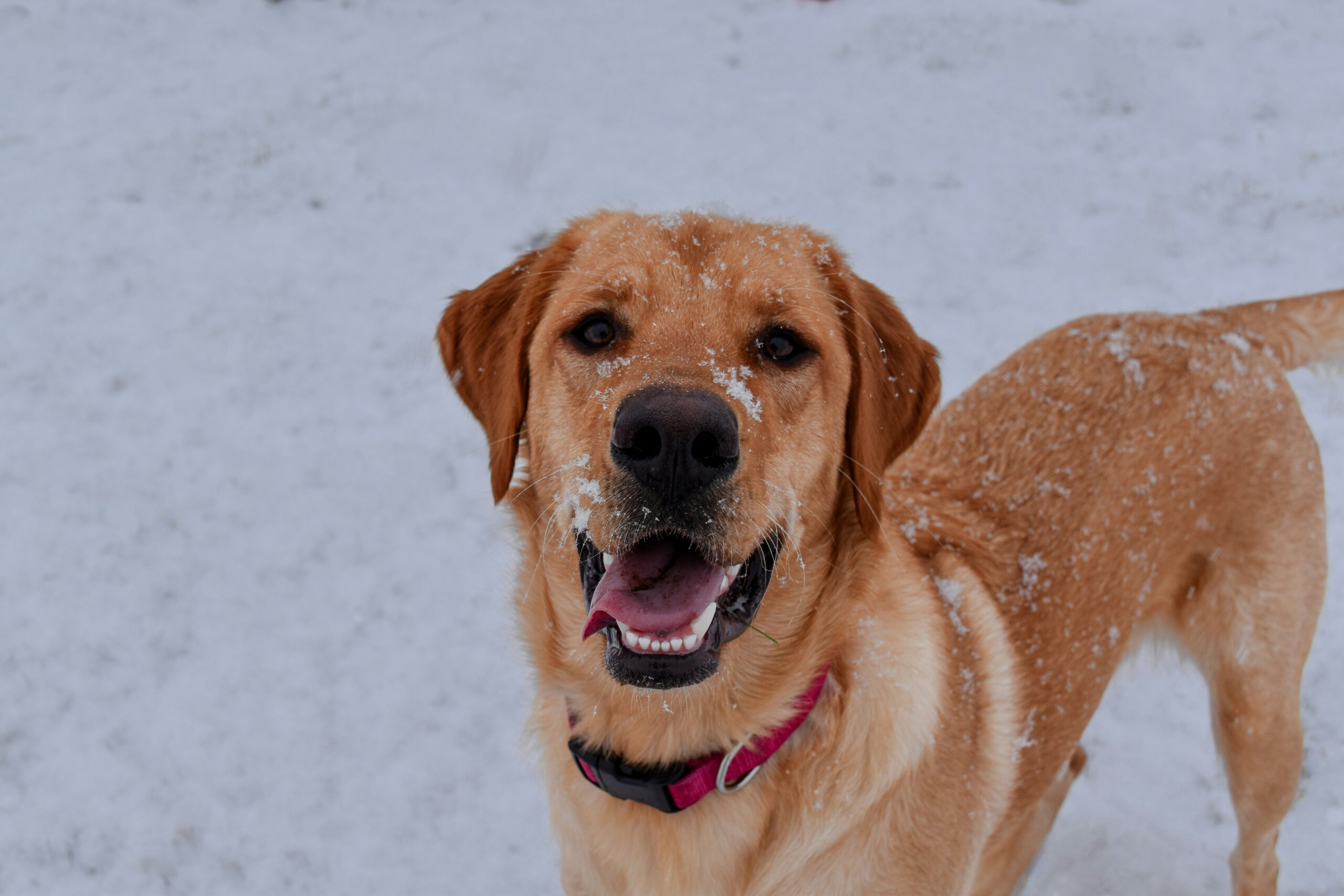 As temperatures drop and frost settles in, our canine companions face challenges that many pet owners underestimate. While dogs have fur coats, not all breeds are equipped to handle harsh winter conditions. Understanding your dog’s cold tolerance and taking proactive measures ensures they stay comfortable, healthy, and safe throughout the chilliest months.
Winter poses unique risks for dogs, from hypothermia and frostbite to dry skin and paw pad injuries. Recognizing the signs of cold stress and implementing protective strategies makes all the difference in your pet’s wellbeing during this demanding season.
Understanding Your Dog’s Cold Tolerance
Not all dogs experience winter the same way. Several factors determine how well your furry friend handles cold weather.
Breed and Coat Type
Northern breeds like Huskies, Malamutes, and Newfoundlands thrive in cold conditions thanks to thick double coats. Conversely, short-haired breeds such as Greyhounds, Chihuahuas, and Pit Bulls lack adequate insulation and struggle when temperatures plummet. Single-coated breeds and those bred for warmer climates need extra protection during winter months.
Size and Body Composition
Smaller dogs lose body heat more rapidly than larger ones due to their higher surface-area-to-volume ratio. Puppies, senior dogs, and those with lean body types also face increased vulnerability. Additionally, dogs with health conditions like arthritis, diabetes, or heart disease may have compromised ability to regulate body temperature.
Age and Health Status
Young puppies haven’t fully developed their temperature regulation systems, while elderly dogs often have weakened immune responses and reduced circulation. Any dog with compromised health requires special attention when venturing outdoors in winter.
Recognizing Signs of Cold Stress
Vigilance helps prevent serious cold-related health issues. Watch for these warning signs:
- Shivering or trembling
- Reluctance to continue walking
- Whining or showing anxiety
- Lifting paws off the ground
- Seeking warm places or trying to turn back home
- Slowed movement or lethargy
If you notice these behaviors, bring your dog inside immediately and warm them gradually with blankets and room-temperature water.
Practical Protection Strategies
Keeping your dog warm involves multiple approaches that address both indoor comfort and outdoor safety.
Indoor Comfort Measures
Create cozy spaces away from drafts where your dog can retreat. Elevated beds help insulate from cold floors, while heated pet mats provide gentle warmth. Ensure sleeping areas are in the warmest parts of your home, away from exterior walls and windows.
Outdoor Gear Essentials
Dog coats and sweaters aren’t just fashion statements—they’re functional necessities for many breeds. Choose waterproof outer layers for wet conditions and insulated options for extreme cold. Properly fitted booties protect sensitive paw pads from ice, salt, and chemical de-icers while providing traction on slippery surfaces.
Paw Care Protocol
Winter terrain damages delicate paw pads. Before walks, apply pet-safe paw balm to create a protective barrier. After outdoor excursions, thoroughly wash and dry paws to remove salt and chemicals that can cause irritation or poisoning if licked. Trim hair between toe pads to prevent ice ball formation.
Adjusted Exercise Routines
Shorten walk durations during severe cold, opting for multiple brief outings rather than extended sessions. Schedule walks during warmer daylight hours when possible. For dogs requiring substantial exercise, supplement outdoor time with indoor activities like hide-and-seek, stair climbing, or interactive puzzle toys.
Nutrition and Hydration Considerations
Cold weather affects your dog’s nutritional needs. Dogs spending significant time outdoors burn more calories maintaining body temperature and may require increased food portions. However, less active indoor dogs might need reduced portions to prevent winter weight gain.
Dehydration remains a concern despite cold weather. Ensure fresh, unfrozen water is always available. Some dogs drink less in winter, so monitor intake and consider adding warm water or low-sodium broth to meals to boost hydration.
Frequently Asked Questions
How cold is too cold for my dog?
Most dogs become uncomfortable below 7°C (45°F), though tolerance varies by breed. Small dogs, seniors, and short-haired breeds should limit outdoor time below 4°C (40°F). Below freezing presents serious risks for vulnerable dogs, while hardy breeds may tolerate much colder temperatures with proper acclimation.
Do dogs need sweaters if they have fur?
Many dogs absolutely benefit from additional clothing. Short-haired, small, elderly, or health-compromised dogs lack sufficient natural insulation. Even some medium-coated breeds appreciate extra warmth in harsh conditions. If your dog shivers or seems reluctant to go outside, a sweater likely helps.
Can dogs get frostbite?
Yes, dogs can develop frostbite on extremities including ear tips, tails, and especially paw pads. Frostbitten skin appears pale or grey and may become red and painful as it warms. Severe cases cause tissue death and require immediate veterinary attention.
Should I bathe my dog less in winter?
Frequent bathing strips natural oils that protect skin and coat. Reduce bath frequency during winter and always use moisturizing dog-specific shampoos. Ensure your dog is completely dry before going outside, as damp fur dramatically reduces insulation.
How do I know if my dog’s paws are injured from cold?
Watch for limping, excessive licking, redness, cracking, or bleeding on paw pads. Dogs may also hold up affected paws or refuse to walk. Inspect paws regularly during winter, looking for cuts from ice or chemical burns from de-icers.
Creating a Winter-Safe Environment
Beyond individual protection, assess your outdoor space for winter hazards. Store antifreeze securely—its sweet taste attracts dogs but tiny amounts prove fatal. Clear pathways of ice to prevent slips and falls. If your dog spends time in a yard, provide an insulated shelter elevated off frozen ground with windbreak protection.
Never leave dogs in unheated vehicles during winter. Cars lose heat rapidly, becoming refrigerators that can cause hypothermia surprisingly quickly.
Conclusion
Winter doesn’t mean your dog’s quality of life must suffer. Through awareness, preparation, and attentive care, you can ensure your canine companion remains comfortable and healthy throughout the coldest season. Every dog has unique needs based on breed, age, size, and health status—learning what works best for your specific pet creates the foundation for many more happy winters together.
Pay attention to behavioral cues, invest in appropriate protective gear, maintain proper nutrition, and adjust routines as conditions demand. These straightforward steps transform winter from a challenging ordeal into just another season of adventures with your beloved pet.