Encouraging Healthy Habits Through Everyday Home Design
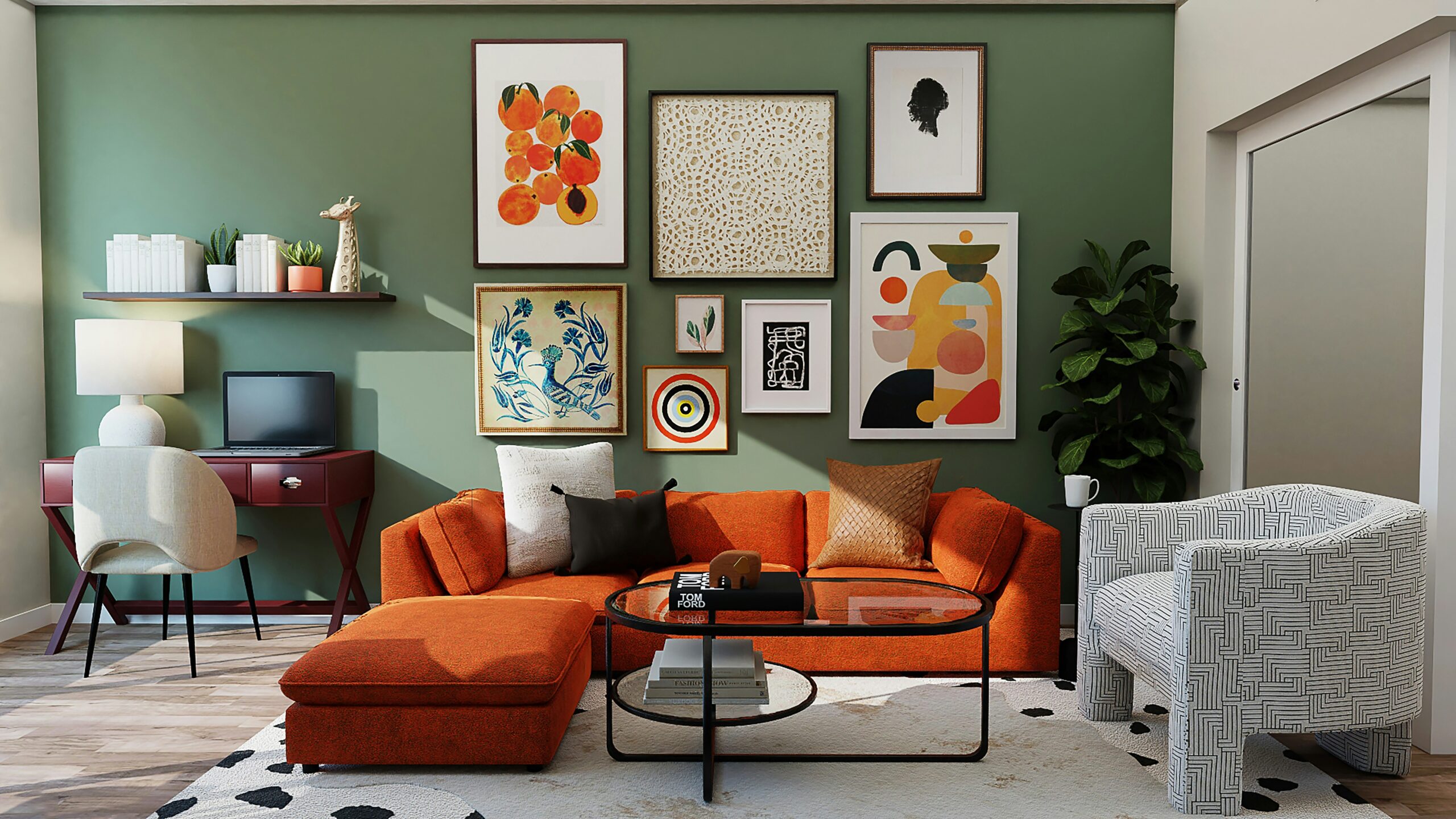 Creating a home that naturally supports healthy habits is one of the most effective ways to improve overall wellbeing. While motivation and discipline play important roles in maintaining routines, the spaces we live in can quietly influence our daily choices. Thoughtful home design can make healthy living feel effortless by reducing friction, improving comfort and encouraging movement, relaxation and mindfulness. By making intentional design decisions, homeowners can create an environment that gently guides them towards better physical and mental health.
Designing Spaces That Promote Movement
Modern lifestyles often involve long periods of sitting, whether working from home or relaxing in the evenings. Designing a home that encourages movement can help counteract this tendency. Open layouts that allow for easy circulation can inspire spontaneous activity, such as stretching, walking between rooms or even short exercise sessions. Placing workout-friendly areas in visible, accessible locations helps reinforce the habit of staying active.
Many homeowners are now choosing to create dedicated wellness zones within their homes. These spaces do not need to be large or elaborate. Even a small corner equipped with practical features such as durable surfaces, proper lighting and supportive materials can make a significant difference. Investing in quality solutions like home gym flooring can help create a safe and inviting exercise area that blends seamlessly into the overall home design while encouraging regular physical activity.
Using Natural Light to Boost Mood and Energy
Lighting has a powerful effect on mood, productivity and sleep patterns. Homes that maximise natural light often feel more uplifting and energising, helping residents stay motivated throughout the day. Simple design choices such as larger windows, strategically placed mirrors and lighter colour palettes can enhance the flow of sunlight into living spaces.
In areas where natural light is limited, layered lighting solutions can help create a balanced environment. Combining overhead lighting with softer ambient options allows homeowners to adjust the atmosphere depending on their needs. Bright lighting in workspaces can increase focus and efficiency, while warmer tones in relaxation areas can support winding down in the evenings. By aligning lighting design with daily routines, homes can help support healthy sleep cycles and emotional wellbeing.
Creating Calm and Restorative Retreats
Healthy habits are not only about physical activity; they also involve rest and recovery. Designing quiet, comfortable spaces dedicated to relaxation can help reduce stress and promote mindfulness. Bedrooms, reading nooks and even small lounge areas can become restorative retreats when furnished thoughtfully.
Soft textures, calming colours and clutter-free layouts contribute to a sense of peace and order. Incorporating natural elements such as plants, wooden finishes and organic fabrics can further enhance the feeling of tranquillity. These design features encourage residents to slow down, disconnect from digital distractions, and focus on mental wellbeing. Over time, such environments can foster healthier routines around sleep, reflection and self-care.
Encouraging Healthy Eating Through Kitchen Design
The kitchen is another important area where home design can shape everyday habits. A well-organised kitchen that prioritises accessibility and functionality makes preparing nutritious meals more enjoyable. Ample counter space, smart storage solutions and easy-to-clean surfaces can help reduce the effort involved in cooking at home.
Displaying fresh produce in visible areas, such as on worktops or open shelving, can serve as a gentle reminder to make healthier food choices. Similarly, designing welcoming dining spaces can encourage more mindful eating experiences, allowing families and individuals to focus on nourishment rather than distractions.
Supporting Consistency Through Practical Layouts
Ultimately, the most effective healthy home designs are those that support consistency. When wellness-focused features are integrated naturally into everyday living spaces, maintaining positive habits becomes less about willpower and more about routine. Clear pathways, purposeful layouts and thoughtfully chosen materials can all contribute to a home that works in harmony with its occupants’ goals.
By viewing home design as a tool for wellbeing rather than just aesthetics, homeowners can create environments that nurture healthier lifestyles. Over time, these intentional choices can lead to lasting improvements in physical health, mental clarity and overall quality of life.